
- By Diya Sogani
- 23 Apr 2026
IAS Sanjeev Jaiswal’s 923-Acre Mega Plan: MHADA to Transform Housing for Over 75,000 Residents in Mumbai
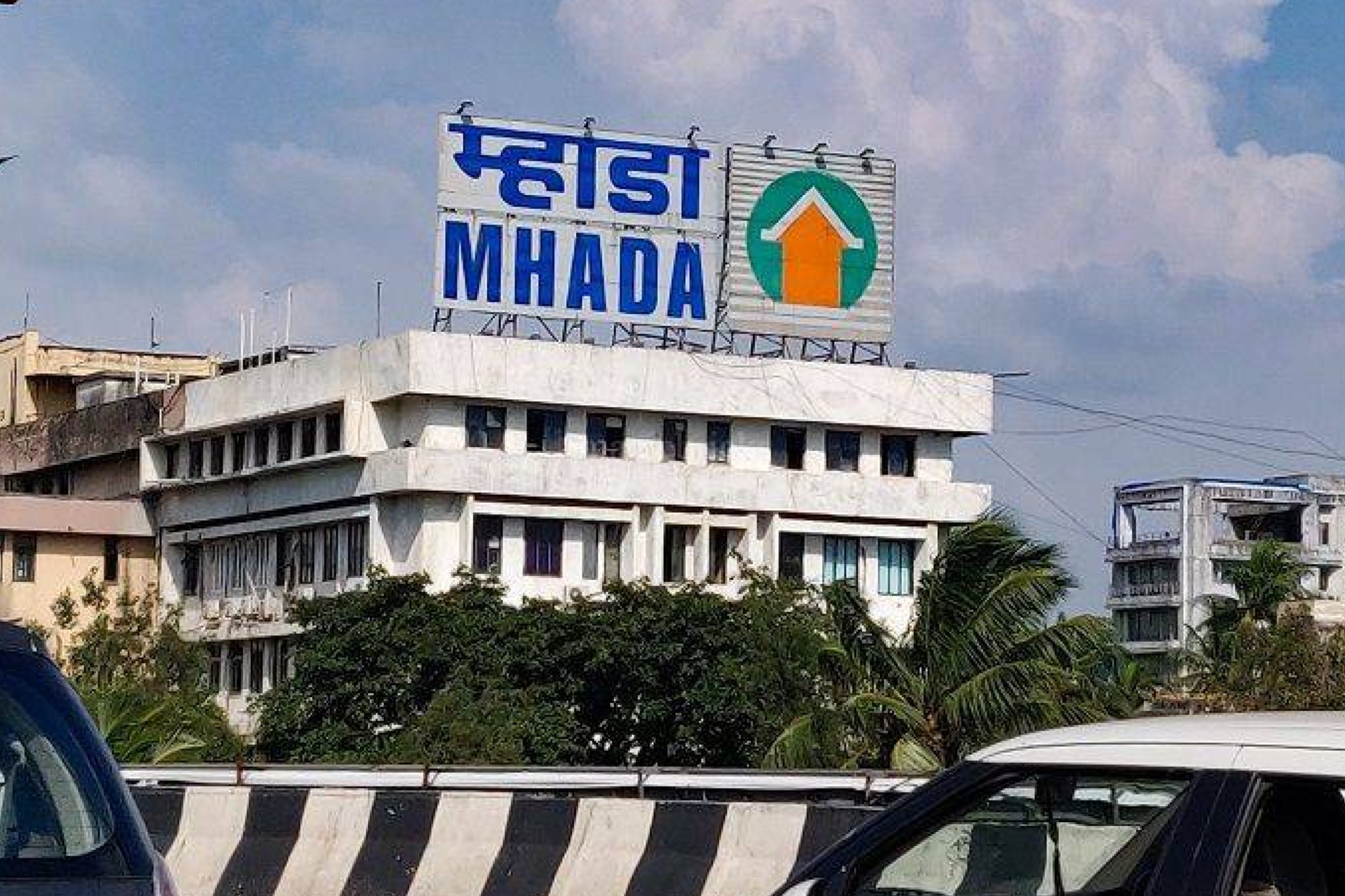
Mumbai’s housing landscape is set for one of its largest transformations as MHADA moves forward with an ambitious 923-acre cluster redevelopment plan across the city. Under the leadership of IAS Sanjeev Jaiswal, Vice President & CEO of MHADA, this initiative aims to upgrade ageing residential layouts while rehabilitating over 75,000 residents. With execution expected over a period of 5 to 10 years, the scale and structure of this redevelopment mark a significant shift toward integrated urban planning in Mumbai.
This is not just another redevelopment project. It represents a city-wide strategy to modernize existing housing, improve infrastructure, and unlock land potential without expanding the city’s footprint.
The Scale: 923 Acres Across Key Locations
The redevelopment plan spans 923 acres across multiple high-impact zones in Mumbai and its suburbs. The identified clusters include:
- Charkop – 250 acres
- Gorai – 200 acres
- Motilal Nagar – 143 acres
- Bandra Reclamation – 98 acres
- Abhyudaya Nagar – 33 acres
- SVP Nagar – 29 acres
- Kamathipura – 34 acres
Each of these locations represents a significant housing cluster with ageing infrastructure and high redevelopment potential. By addressing these areas collectively, MHADA is moving toward a cluster-based redevelopment model that enables better planning and execution.
75,000 Residents: Rehabilitation at the Core
At the heart of this initiative is the rehabilitation of over 75,000 residents. Unlike traditional redevelopment approaches that often involve displacement, MHADA’s model emphasizes in-situ rehabilitation wherever feasible.
This means:
- Existing residents will be rehoused within the same locality
- Community networks and livelihoods will be preserved
- Transition challenges will be minimized
For residents in slum pockets within these layouts, the plan includes rehabilitation units of approximately 300 sq ft, ensuring that even informal housing segments are integrated into the redevelopment framework.
Timeline and Execution Framework
The redevelopment projects are expected to be completed over 5 to 10 years, depending on the scale and complexity of each cluster. This phased timeline reflects the need for:
- Detailed planning and approvals
- Resident coordination and relocation
- Infrastructure development
- Gradual construction and delivery
MHADA will continue to act as the special planning authority, ensuring that the projects adhere to regulatory and urban planning standards. The execution, however, will be carried out through a construction and development agency (C&DA) model, involving multiple stakeholders.
This structure allows MHADA to maintain oversight while leveraging private sector expertise for large-scale implementation.
Why Cluster Redevelopment Matters
Mumbai’s housing challenge is deeply linked to its ageing residential stock and limited land availability. Many existing MHADA colonies were built decades ago and are now facing:
- Structural deterioration
- Overcrowding
- Inadequate infrastructure
Cluster redevelopment addresses these issues by:
- Consolidating fragmented land parcels
- Increasing development potential
- Upgrading infrastructure alongside housing
- Creating planned urban layouts
By moving away from isolated redevelopment projects, MHADA is enabling coordinated planning, which is essential for long-term urban sustainability.
Infrastructure and Urban Planning Benefits
One of the key advantages of the cluster-based approach is its ability to integrate infrastructure development with housing.
The redevelopment plan is expected to improve:
- Road networks and connectivity
- Water supply and drainage systems
- Electricity and utility infrastructure
- Open spaces and community amenities
This ensures that redevelopment is not limited to building structures but extends to creating livable urban environments.
Strategic Locations, Long-Term Impact
The selected clusters are not random. They represent areas with high redevelopment potential and strategic importance.
For instance:
- Motilal Nagar (143 acres) is already part of a large-scale redevelopment pipeline
- Bandra Reclamation (98 acres) is a premium coastal zone
- Charkop and Gorai (450 acres combined) offer large suburban expansion opportunities
By focusing on these locations, MHADA is addressing both central and suburban housing needs, creating a balanced development strategy.
Current Status: Multiple Stages of Progress
The redevelopment plan is already in motion, with different projects at various stages:
- Some clusters have been awarded to developers
- Others are in the tendering phase
- Several are undergoing approval processes
This staggered progress ensures that multiple projects can move forward simultaneously, maintaining momentum across the overall plan.
Leadership and Policy Direction
Under IAS Sanjeev Jaiswal, MHADA has adopted a structured and forward-looking approach to redevelopment. The focus has been on:
- Scaling up housing supply
- Ensuring transparency in processes
- Balancing public and private participation
- Prioritizing resident-centric planning
Given the scale of these projects, it is important for stakeholders to rely on official MHADA channels for accurate updates, timelines, and policy details.
Economic and Social Impact
The redevelopment of 923 acres is expected to generate significant economic activity. Large-scale construction projects typically lead to:
- Job creation across multiple sectors
- Increased demand for construction materials
- Growth in local economies
At the same time, the social impact is equally important. By upgrading housing for over 75,000 residents, the project directly contributes to improving quality of life in the city.
A Blueprint for Future Urban Development
The 923-acre redevelopment initiative sets a precedent for how large cities can approach housing challenges. It demonstrates that:
- Existing land can be used more efficiently
- Housing upgrades can be combined with infrastructure development
- Public agencies can lead large-scale transformation
This model is likely to influence future redevelopment strategies not just in Mumbai, but across other urban centers in India.
Conclusion: A Defining Shift in Mumbai’s Housing Strategy
MHADA’s plan to redevelop 923 acres and rehabilitate over 75,000 residents marks a defining shift in Mumbai’s urban development approach. With execution planned over 5 to 10 years, the initiative balances ambition with practicality.
From Charkop’s 250 acres to Motilal Nagar’s 143 acres and Bandra Reclamation’s 98 acres, the scale is unprecedented. Yet, the focus remains clear — improving housing, upgrading infrastructure, and creating sustainable urban environments.
Under the leadership of IAS Sanjeev Jaiswal, this initiative represents more than redevelopment. It is a roadmap for how Mumbai can evolve — efficiently, inclusively, and at scale.