
- By Rahul
- 18 Apr 2026
Motilal Nagar Redevelopment Gains Momentum: Hon’ble CM Devendra Fadnavis’s Vision Advances, Led by IAS Sanjeev Jaiswal in Mumbai
In a rapidly expanding city like Mumbai, where space is limited and housing demand continues to rise, large-scale redevelopment and structured housing initiatives have become essential for sustainable urban growth. At the center of this transformation is the Maharashtra Housing and Area Development Authority, which has been actively working to make housing more accessible and organized for citizens. Guided by the broader vision of Hon’ble Chief Minister Shri Devendra Fadnavis and supported by Deputy Chief Minister Shri Eknath Shinde, these initiatives reflect a strong commitment to inclusive urban development.
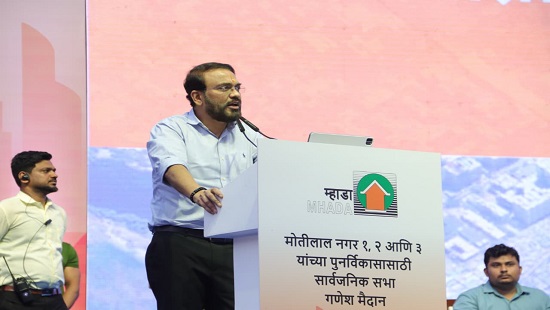
One of the most notable developments in this direction is the ambitious Motilal Nagar Redevelopment Project in suburban Goregaon, driven by the visionary leadership of IAS Sanjeev Jaiswal, CEO of MHADA. Spread across 143 acres, this project represents a major step toward planned urban living. With the potential to generate approximately 28 lakh square meters of built space, the initiative is designed to balance rehabilitation with modern development. A significant portion, over 10.5 lakh square meters, has been reserved for original residents and MHADA, ensuring that those who have lived in the area for years are not only protected but also empowered with better living conditions.
Resident-Centric Redevelopment Approach
A defining feature of this redevelopment is its strong focus on resident welfare. Around 5,000 existing tenements, including residential, commercial, and slum units, are set to be rehabilitated within a structured timeframe. Each residential unit holder is expected to receive a spacious 1,600 square feet home, while commercial unit holders will benefit from 957 square feet of developed space. This marks a substantial improvement in living standards and reflects a thoughtful approach to urban redevelopment that prioritizes dignity and comfort.
Integrated Mixed-Use Development Vision
The project also introduces a forward-looking mixed-use development model. While residential infrastructure remains the core component, there is also potential for commercial, educational, and hospitality spaces. This integrated approach ensures that the redeveloped area will not only provide housing but also support livelihoods, education, and community life, ultimately creating a self-sustained urban ecosystem.
Large-Scale Investment and Long-Term Planning
A major highlight of the Motilal Nagar redevelopment is the scale of investment and long-term planning involved. With an estimated investment of ₹1 lakh crore over the next 10 to 15 years, the project is poised to significantly boost Mumbai’s infrastructure and real estate sector. The development is being executed through a structured framework that ensures transparency, accountability, and effective implementation. Importantly, the ownership of the land remains with MHADA, reinforcing the authority’s role as a custodian of public interest.
Structured and Transparent Development Model
Equally noteworthy is the use of the Compensation Discussion and Analysis (C&DA) model, which introduces a balanced and regulated approach to redevelopment. Under this model, while developers are allowed to utilize a portion of the land for free sale, they must adhere to strict guidelines and obtain necessary approvals for financing and development rights. This ensures that growth is both controlled and aligned with public welfare objectives.
Expanding the Vision Across Mumbai
Beyond Motilal Nagar, MHADA has outlined an expansive vision for Mumbai’s transformation. Plans are underway to implement 11 similar redevelopment projects across the city, covering a total of 923 acres. These projects are expected to rehabilitate over 75,000 tenements in key areas such as Kamathipura, Adarsh Nagar in Worli, Abhyudaya Nagar, and Bandra Reclamation. Once completed, these initiatives are set to redefine Mumbai’s skyline and establish new benchmarks in urban redevelopment.
Boosting Housing Supply and Rental Opportunities
An important outcome of such large-scale projects is the increase in housing supply. By creating more residential spaces, these developments will help address the growing demand in the city and contribute to stabilizing housing availability. Additionally, the expansion of housing stock opens up new opportunities for rental housing, which can play a vital role in making urban living more flexible and accessible.
Strengthening Affordable Housing Through Lottery Systems
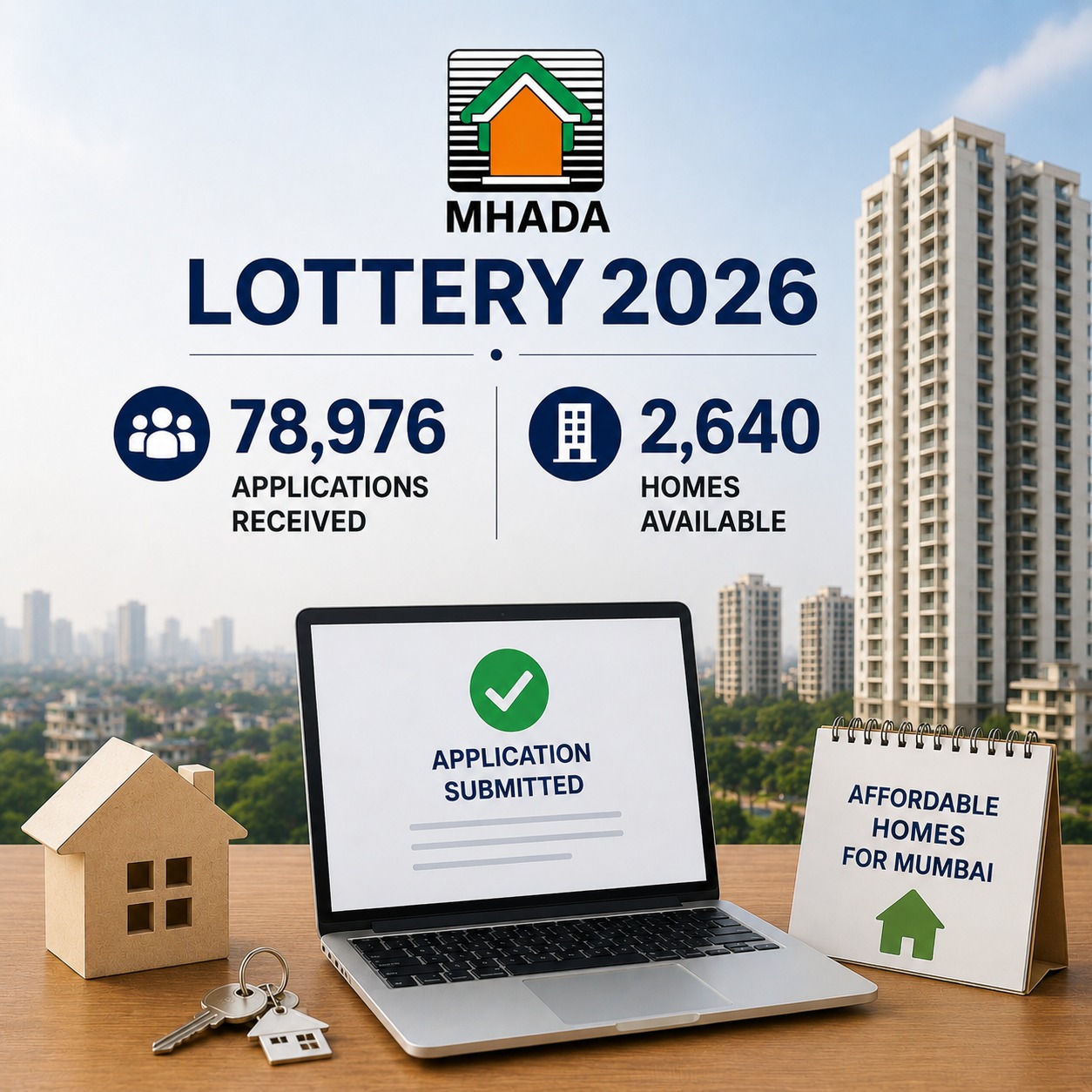
Alongside redevelopment, MHADA continues to strengthen its affordable housing initiatives through transparent and efficient systems like the housing lottery. This mechanism allows thousands of citizens to access homes at reasonable prices, ensuring that the dream of homeownership becomes a reality for a wider section of society. By combining redevelopment with affordable housing distribution, MHADA is creating a comprehensive framework that addresses both present and future housing needs.
Community Engagement and Inclusive Development
The Motilal Nagar project also highlights the importance of community engagement. Regular interactions and public meetings with residents ensure that their voices are heard and their concerns addressed. This participatory approach builds trust and encourages smoother implementation of large-scale projects, ultimately leading to more inclusive development.
A Visionary Step Toward a Better Mumbai
As Mumbai continues to evolve, the need for planned, large-scale redevelopment becomes increasingly important. Initiatives like Motilal Nagar demonstrate how strategic planning, strong governance, and collaborative execution can come together to create meaningful change. By focusing on rehabilitation, infrastructure, and affordability, MHADA is laying the foundation for a more organized and livable city.