



- By Shyam Singh
- 18 Jun 2026

- By Hitesh
- 17 Jun 2026
- By Sanvee Nagpal
- 15 Jun 2026


- By Nirmal Ajwani
- 12 Jun 2026
- By Rupendra
- 11 Jun 2026
- By Nirmal Ajwani
- 10 Jun 2026
- By Nirmal Ajwani
- 03 Jun 2026
- By Nirmal Ajwani
- 02 Jun 2026
- By Hitesh
- 02 Jun 2026
- By Nirmal Ajwani
- 02 Jun 2026

- By Medhavini
- 02 Jun 2026
- By Rupendra
- 01 Jun 2026
- By Rupendra
- 20 May 2026
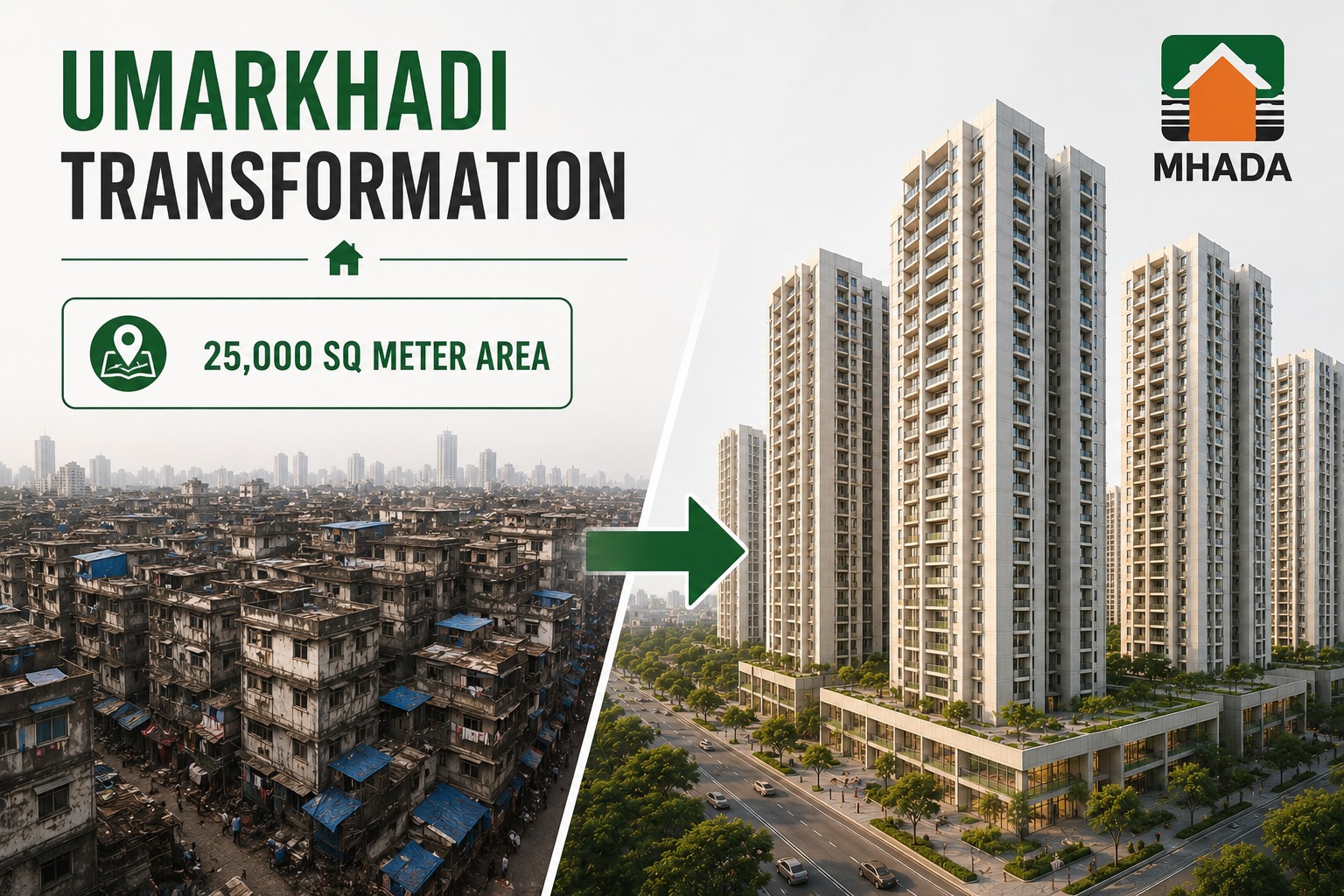
South Mumbai’s Umarkhadi Set for Massive Transformation as MHADA Plans Group Redevelopment Across 25,000 Sq Meter Area
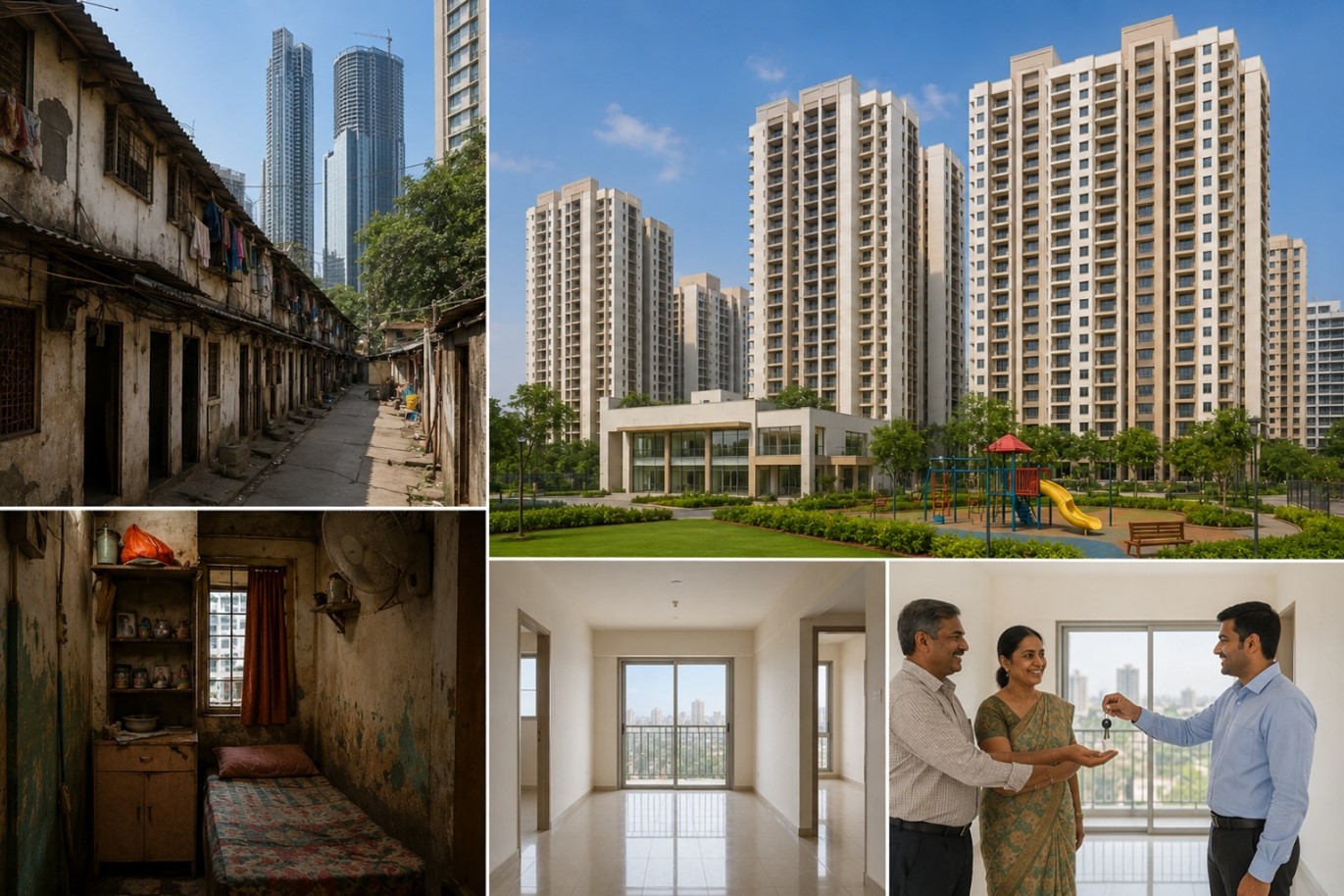
A major urban transformation could soon reshape the Umarkhadi area in Byculla as the Maharashtra Housing and Area Development Authority (MHADA) moves forward with a large-scale cluster redevelopment plan covering ageing buildings across the locality. The proposed redevelopment is expected to bring significant relief to thousands of residents currently living in deteriorating structures that are nearly 70 to 80 years old.
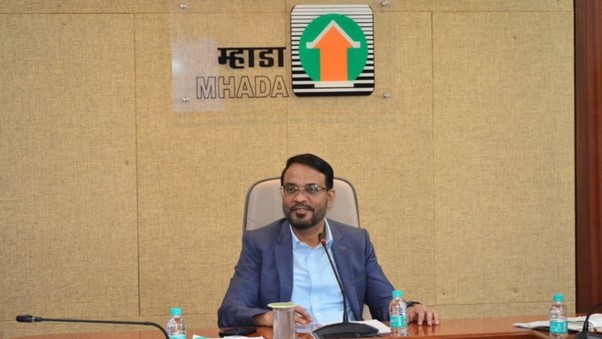
The ambitious redevelopment vision gains added significance as MHADA Vice Chairman and CEO IAS Sanjeev Jaiswal continues accelerating large-scale housing and reconstruction initiatives across Mumbai’s old cessed building clusters. From pushing redevelopment models in Kamathipura to now advancing the Umarkhadi transformation plan, Sanjeev Jaiswal’s redevelopment-driven approach is increasingly positioning MHADA at the center of Mumbai’s urban renewal push, especially for residents living under unsafe and ageing structures across South Mumbai.
MHADA Plans Cluster Redevelopment Across 25,237 Square Meters
MHADA’s Mumbai Building Repair and Reconstruction Board, along with the Construction and Development Authority (C&DA), has prepared a redevelopment proposal for the Umarkhadi area covering nearly 25,237 square meters, or around six and a quarter acres.
The project includes redevelopment of PMGP buildings, cessed buildings, reconstructed buildings, noticed buildings, and private buildings located within the cluster.
According to MHADA officials, the authority is focusing on group redevelopment instead of isolated building-level projects. The cluster-based model is expected to improve planning efficiency while creating better housing layouts, upgraded civic amenities, and more open infrastructure spaces within the locality.
The redevelopment proposal is expected to provide major relief to residents currently living in unsafe structures with ageing roofs and deteriorating building conditions.
Nearly 2,200 Residential and Commercial Tenants to Benefit
The proposed redevelopment cluster includes a large residential and commercial tenant population.
According to MHADA data, there are 1,928 residential tenants residing within the buildings included in the redevelopment proposal. In addition, 268 non-residential tenants are also located within the project area.
The tenant breakup across various building categories includes:
- PMGP Buildings – 835 tenants
- Occupied buildings – 236 tenants
- Collapsed buildings – 59 tenants
- Private cess buildings – 261 tenants
- Buildings issued notices – 122 tenants
- Private buildings and others – 415 tenants
The large number of tenants involved highlights the scale and importance of the redevelopment project for the Umarkhadi area.
Detailed Plot Mapping Already Prepared by MHADA
MHADA has also prepared a detailed land distribution plan for the redevelopment cluster.
The redevelopment proposal currently includes:
- PMGP Buildings – 7,437 square meters
- MHADA Reconstructed Buildings – 1,738 square meters
- MHADA Acquired Buildings – 4,003 square meters
- Noticed Buildings – 1,425 square meters
- Private Cess Buildings – 5,185 square meters
- Private Buildings – 642 square meters
The mapping of multiple building categories into a single redevelopment cluster reflects MHADA’s strategy of integrated urban redevelopment rather than fragmented reconstruction.
More Private Buildings May Be Added to Improve Feasibility
MHADA officials have stated that the authority is also examining the possibility of adding more private buildings into the redevelopment cluster if required for project feasibility.
According to officials, expanding the redevelopment boundary could improve planning flexibility while helping create a larger rehabilitation and saleable housing component.
The redevelopment model is expected to help residents receive modern and spacious homes while simultaneously enabling better infrastructure planning across the area.
Officials also believe that group redevelopment will significantly improve facilities within the locality compared to individual building redevelopment projects.
Proposal to Be Submitted to State Government Soon
According to a senior MHADA official, the redevelopment proposal for the Umarkhadi cluster will soon be presented before MHADA Vice Chairman and CEO Sanjeev Jaiswal.
Following approval from the MHADA authority, the proposal will then be submitted to the Maharashtra state government for further approvals and implementation procedures.
The project is emerging as another major redevelopment initiative after MHADA initiated the process for redevelopment of dilapidated cess buildings in Kamathipura through the Construction and Development Authority.
Four FSI to Strengthen Redevelopment Potential
A major advantage of the Umarkhadi redevelopment project is the availability of a maximum permissible Floor Space Index (FSI) of four.
According to MHADA’s redevelopment planning, the higher FSI will allow the authority to develop rehabilitation housing along with saleable residential inventory within the same project.
The saleable component is expected to help MHADA generate future housing stock while supporting the financial viability of the redevelopment initiative.
With redevelopment planning now moving toward the approval stage, the proposed Umarkhadi transformation is being viewed as one of the key urban renewal projects currently being planned in South Mumbai. The cluster redevelopment model, large-scale land coverage, and extensive tenant rehabilitation proposal together indicate MHADA’s growing focus on transforming old housing pockets into modern residential zones across Mumbai.
READ MORE...