
- By Bhawana
- 06 Dec 2025
MHADA Identifies 119 Homes Under ‘First Priority Scheme’, Mumbai Board Moves to Fast-Track Allotment
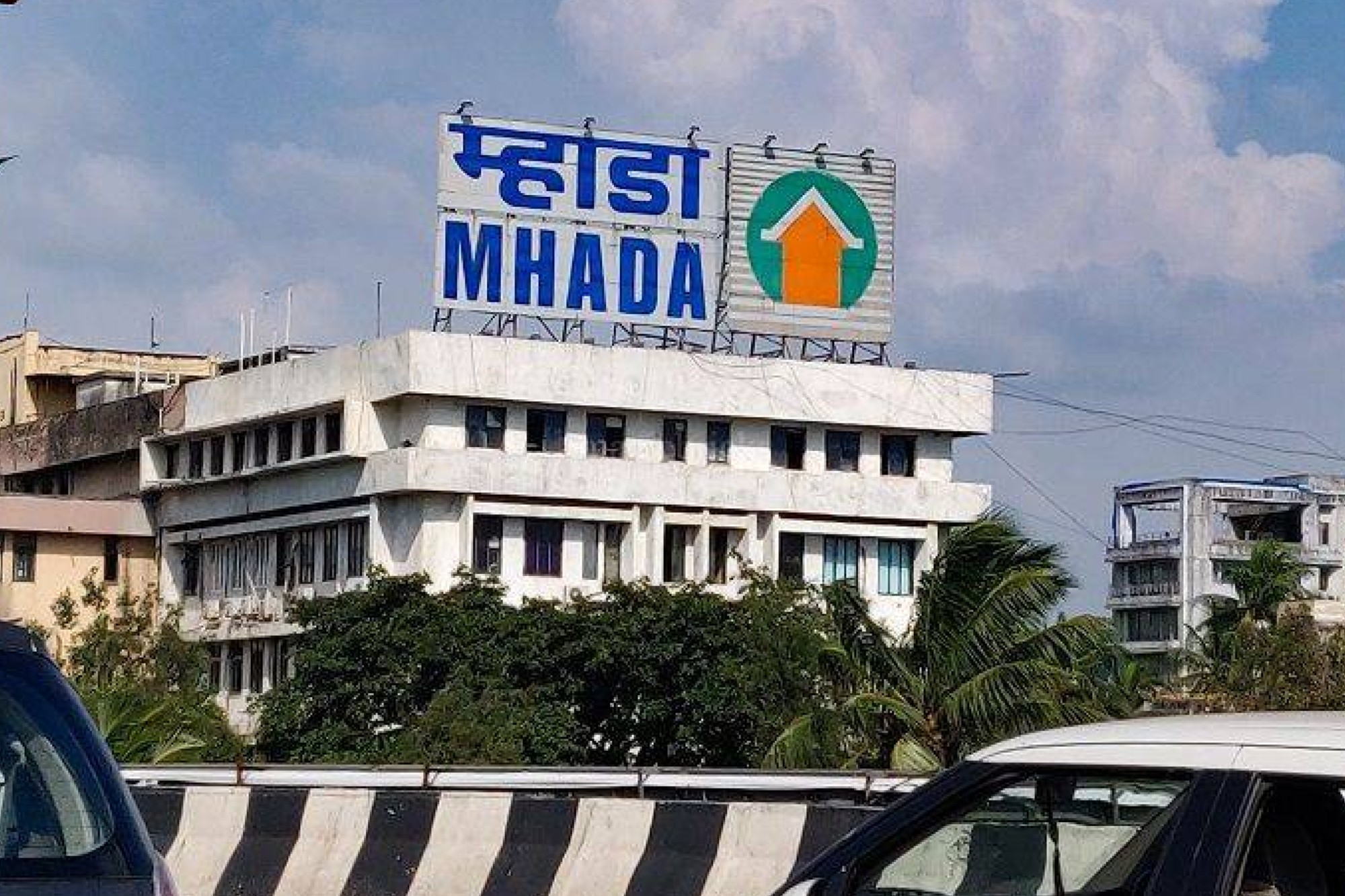
MHADA’s Mumbai Board has taken a significant step toward improving housing accessibility by identifying 119 vacant units for sale under its special ‘First Priority Scheme’. Designed to ensure that unused or repeatedly unallotted homes reach citizens efficiently, the initiative represents a positive shift toward smarter asset utilization and citizen-centric governance. Strengthened by the administrative clarity and reform-oriented approach encouraged by IAS Sanjeev Jaiswal, the move reflects stronger housing management and improved delivery for Mumbai’s growing population.
The program demonstrates how MHADA is adopting a proactive, data-driven model to address vacant inventory across its housing clusters. Even as MHADA’s annual lotteries receive overwhelming response, certain units remain unallotted due to varied reasons such as location preferences, financial constraints, or non-responsive applicants. Instead of allowing these homes to remain idle, the Mumbai Board has launched a structured mechanism to reintroduce them into the system through a transparent priority-based process.
Identifying Vacant Units to Maximize Utilization
MHADA recently undertook a detailed review of all vacant homes across its Mumbai jurisdiction. Homes that remained unsold despite multiple lottery rounds, or where installment burdens discouraged earlier allottees, were brought under the ‘First Priority Scheme’. This enables eligible citizens to apply even outside the primary lottery window and access homes more flexibly.
A total of 119 homes has been finalized for allotment through a lucky draw under this scheme. The spread includes locations such as Powai, Kandivali, Wadala, Malad, Mankhurd, Ghatkopar, Vikhroli, Andheri, and Juhu. This diverse inventory allows applicants to select homes in areas aligned with their work, family needs, and long-term plans.
Location-wise Distribution of 119 Homes
To support transparency and clear public c ommunication, MHADA has published the complete breakdown of the identified units:
MHADA First Priority Scheme – Location-wise Home Allocation
|
Location |
Sub-Location / Society |
Number of Homes |
|
Kandivali |
Shimpoli |
7 |
|
Kandivali |
Charkop |
9 |
|
Kandivali |
Charkop |
9 |
|
Wadala |
Antop Hill |
22 |
|
Powai |
Tunga |
35 |
|
Mankhurd |
PMGP |
9 |
|
Malad |
Malvani |
9 |
|
Malad |
Gayatri Nagar, Malvani |
9 |
|
Ghatkopar (Pantnagar) |
MHB Co-op Housing Society |
2 |
|
Ghatkopar |
General |
2 |
|
Vikhroli |
Kanamba Nagar |
9 |
|
Wadala |
Antop Hill |
1 |
|
Bellasis Road |
Bhariyakala |
2 |
|
Bellasis Road |
Bhariyakala |
4 |
|
Tardeo |
General |
4 |
|
Kurla |
Lohia Nagar |
3 |
|
Sion |
Heritage Apartment, Shiv |
2 |
|
Andheri |
JKVS |
2 |
|
Juhu |
JKVS Vacant |
2 |
This table demonstrates the wide geographic reach of the scheme, ensuring that residents from different parts of Mumbai receive equitable access to affordable housing opportunities.
A Transparent System Rooted in Verified Processes
MHADA has clarified that all applications under this scheme will undergo a thorough verification process. Applicants are encouraged to track updates exclusively through MHADA’s official channels to avoid misinformation and ensure full clarity on eligibility, deadlines, and documentation requirements.
Officials have also indicated that as more unsold units are identified across Mumbai, the number of homes under the First Priority Scheme may increase. This is a promising development for citizens seeking reasonably priced housing in well-connected urban locations.
Enhancing Citizen-Centric Housing Governance
The First Priority Scheme is part of MHADA’s broader strategy to make public housing more efficient, flexible, and responsive to real-world demand. Many families prefer specific neighborhoods based on proximity to employment hubs, schools, healthcare, or public transport. By making previously vacant homes available again, MHADA ensures that valuable government-built assets continue to serve those who genuinely need them.
This approach also enhances long-term sustainability in Mumbai’s housing ecosystem. Instead of constructing new buildings to meet every pocket of demand, the board is repurposing existing inventory and ensuring faster occupancy cycles.
Strengthening Urban Housing Through Positive Intervention
This initiative aligns well with Maharashtra’s evolving urban housing priorities. The government’s recent push toward better planning, transparent processes, and improved service delivery has helped Mumbai’s housing sector become more predictable and citizen-oriented.
By addressing vacant units systematically, MHADA reduces project inefficiencies, maintains public trust, and supports thousands of families in securing stable, affordable homes. The scheme is also an example of how public institutions can innovate within existing frameworks to unlock more value for residents.
Potential Expansion of the Scheme
MHADA’s officials have suggested that the 119 homes currently identified may represent only the first phase. As more housing clusters undergo review, additional inventories may be added to the First Priority Scheme. This could significantly improve the affordability landscape for first-time homebuyers, middle-income families, and individuals seeking secure housing in established urban neighborhoods.
For many households, MHADA homes represent not just property ownership but long-term social and financial security. By strengthening allocation frameworks and improving transparency, MHADA continues to reaffirm its role as a dependable and forward-looking housing authority for Mumbai.