
- By Medhavini
- 22 Jan 2026
MHADA to Launch E-Fillable Forms for Property Registration: A Step Towards Efficient Housing Distribution
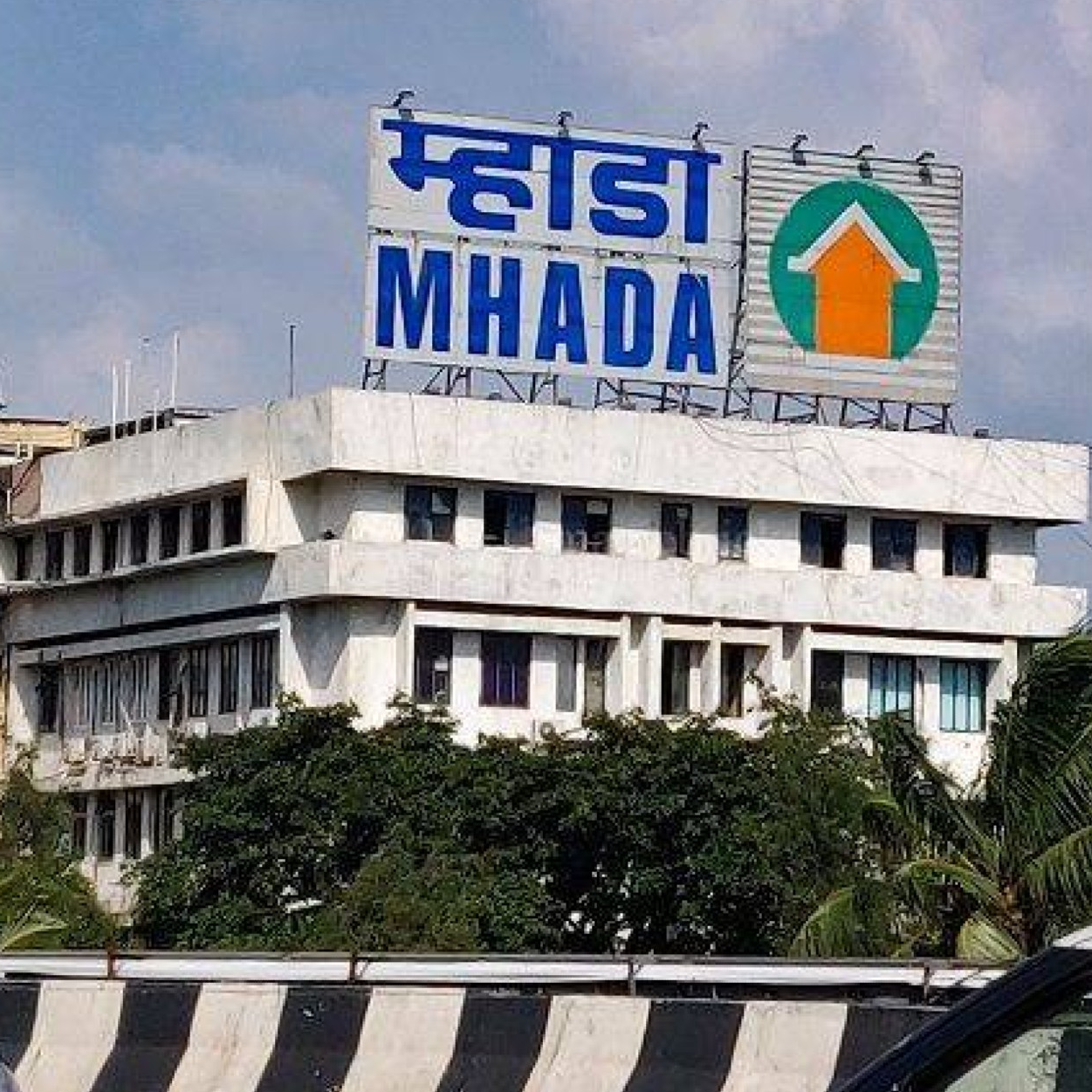
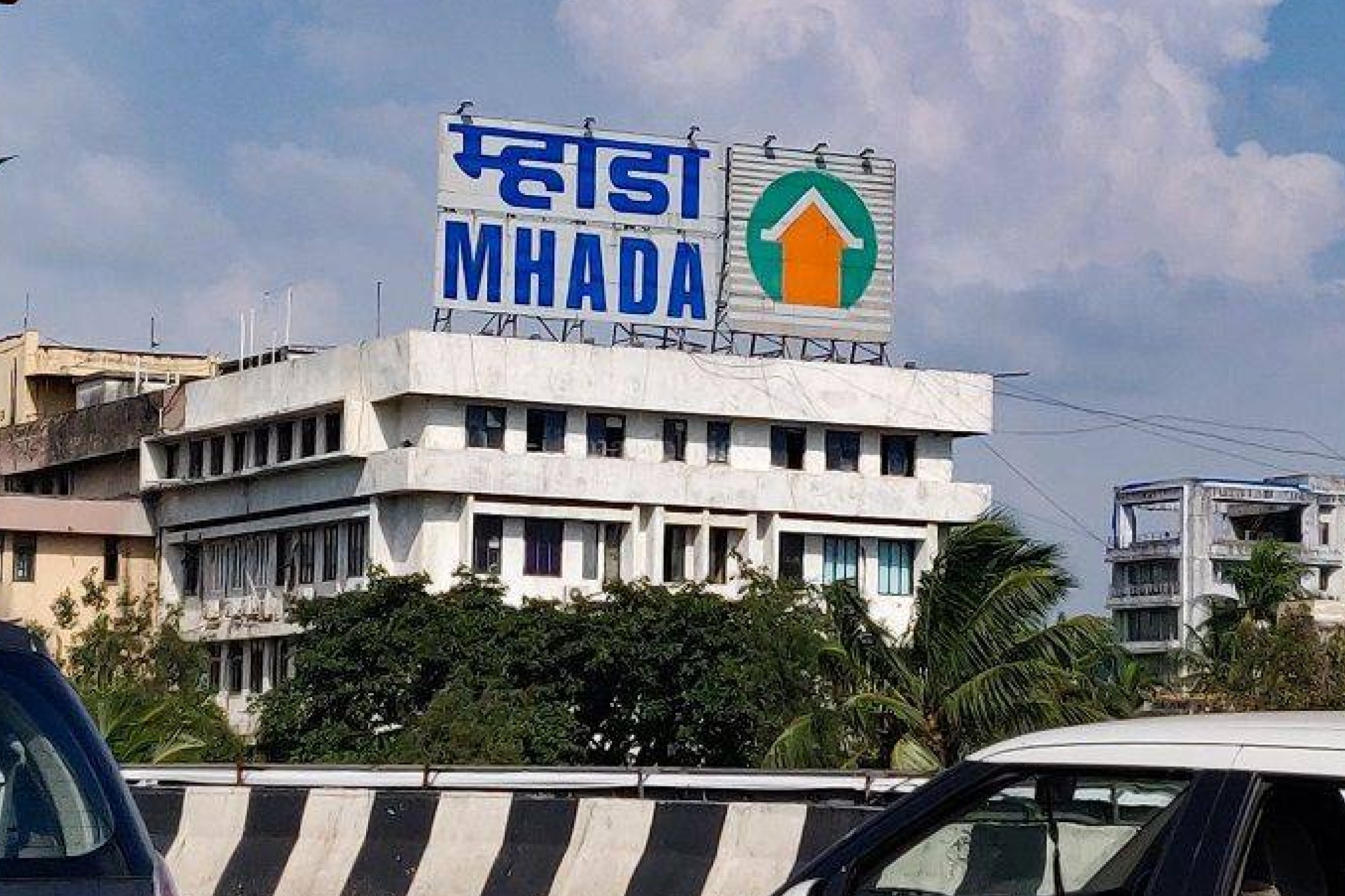
Under the leadership of IAS Sanjeev Jaiswal, the Maharashtra Housing and Area Development Authority (MHADA) has announced the introduction of an e-filling system for property registration. This move comes as part of MHADA's ongoing efforts to modernize its processes and make housing schemes more accessible to the public. The initiative will ensure smoother transactions and a more efficient method for residents and potential buyers to access MHADA housing opportunities.
Why the E-Fillable System?
In an age where digital transformation is reshaping the way businesses and governments interact with citizens, MHADA is taking significant strides toward incorporating technology into housing registration. The new e-filling system is aimed at streamlining the registration process, allowing applicants to complete forms and submit necessary documents online.
Currently, many housing schemes, including those under the Pradhan Mantri Awas Yojana (PMAY) and MHADA's own programs, require extensive manual paperwork, causing delays and inefficiencies. With the new system, applicants will be able to submit forms electronically, reducing both paperwork and the chances of human error. This system will also enhance transparency and speed in processing applications.
The Digital Shift: What’s Changing?
The shift towards online property registration through e-fillable forms is expected to bring numerous benefits. For one, it will allow MHADA to cater to a wider audience, making it easier for people from various parts of the state to apply for housing schemes without the need to physically visit MHADA offices.
The online system will also help eliminate the complexity of filling out multiple physical forms and navigating bureaucratic hurdles. In addition, with integrated payment gateways, the system will allow applicants to make payments for registration and processing fees online, making it a more user-friendly experience.
Implementation and Rollout
The e-filling process will be rolled out in phases, starting with registration for housing schemes in major urban centers such as Mumbai, Thane, and Kalyan. The system will allow users to fill out their registration details, upload necessary documents, and even pay fees electronically. According to MHADA sources, the platform will be intuitive, ensuring ease of access for people from all walks of life.
The MHADA website will also offer comprehensive instructions and user guides to ensure applicants have a smooth experience. Moreover, applicants will receive instant notifications about the status of their application, streamlining communication and eliminating the need for follow-ups.
Impact on the Housing Market
The introduction of this system is likely to have a profound impact on Mumbai’s housing market. MHADA has been facing issues with unsold houses, often due to cumbersome application processes. By implementing a digital solution, MHADA hopes to address these issues and streamline the sale of properties, especially those under PMAY and the MIG (Middle-Income Group) schemes.
This is particularly timely, as the city is dealing with severe housing shortages in urban areas. The new system could lead to a quicker response rate from interested applicants, allowing MHADA to fill vacant homes more efficiently and meet the growing demand for affordable housing in Mumbai.
Challenges and Future Outlook
While the digital transformation is a positive step, it does come with challenges. For one, not all potential applicants are familiar with online registration processes, especially in rural or underdeveloped regions. To counter this, MHADA plans to provide training and outreach efforts to help citizens navigate the new system.
Another potential challenge is ensuring the security and privacy of user data. With sensitive financial and personal information being submitted online, MHADA will need to implement robust cybersecurity measures to safeguard applicants’ data.
Despite these challenges, the transition towards a digital system aligns with broader governance trends aimed at improving efficiency, reducing corruption, and increasing citizen engagement.
Conclusion: A Move Towards Modernization
The move to e-filling is just one example of how IAS Sanjeev Jaiswal and his team at MHADA are modernizing housing schemes to better serve the public. By making the application process faster, simpler, and more transparent, MHADA is not only improving its services but also paving the way for more accessible and efficient housing distribution in Mumbai and beyond.
This step will help bring Mumbai closer to its goal of providing affordable housing for all, reducing red tape, and creating a smoother, faster process for thousands of citizens looking to secure a home. As the digital transformation unfolds, it is clear that MHADA is not only evolving with the times but also leading the way for the future of housing in Maharashtra.