
- By Medhavini
- 29 Jan 2026
MHADA Announces Rent Hike for BDD Chawl Tenants: What This Means for Mumbai's Redevelopment Future
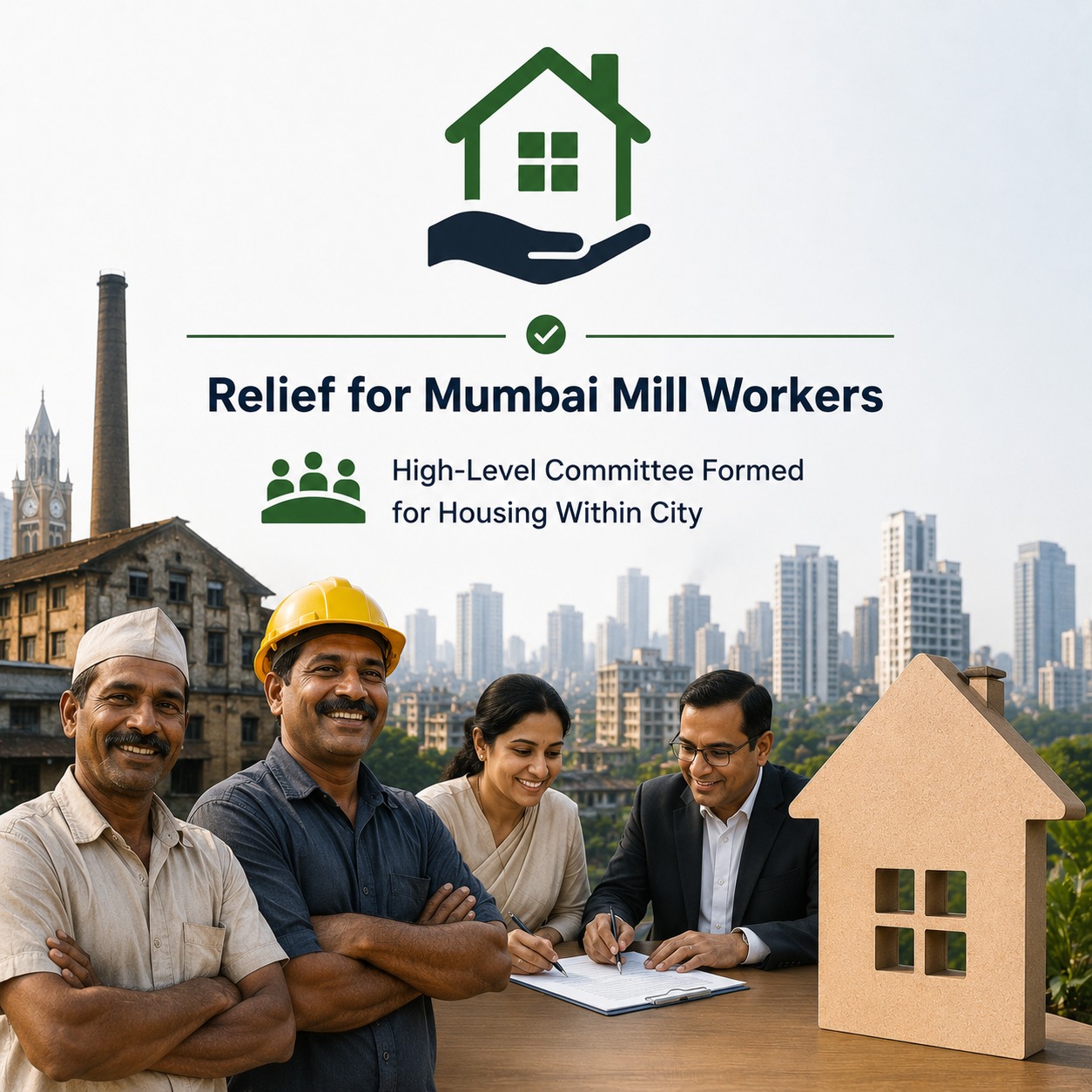
In a move aimed at balancing the economic demands of Mumbai’s housing sector, the Maharashtra Housing and Area Development Authority (MHADA), under the leadership of IAS Sanjeev Jaiswal, has announced a significant rent hike for the tenants of BDD Chawls. The rent increase, set to rise to Rs. 25,000 per month for one-room apartments, is a crucial step toward addressing the city’s financial needs while also paving the way for further redevelopment projects. But what does this mean for Mumbai’s low-income residents and the future of housing in the city?
The Context Behind the Rent Hike
Mumbai, known for its ever-rising real estate prices, has seen a long-standing issue with housing affordability. The BDD Chawls, located in central Mumbai, are a historic part of the city's housing landscape. These chawls were originally constructed as affordable homes for working-class families, but with time, they have deteriorated due to poor maintenance and rising population density. The rent hike is part of MHADA’s strategy to upgrade the existing housing stock and finance future redevelopment.
The decision to raise the rent was made after an extensive review of the housing and rental market in Mumbai. The government is attempting to align the rent with current market trends, reflecting the increased cost of maintenance and redevelopment.
The Impact on Tenants and the Local Community
The rent increase has raised concerns among tenants, especially given the already high cost of living in Mumbai. The new rent of Rs. 25,000 per month for a single room could place an undue financial burden on families already struggling to make ends meet. While some tenants have expressed acceptance, many are apprehensive about how this will affect their ability to continue living in these chawls.
For many tenants, this hike is another obstacle in their pursuit of stable housing. Despite being promised affordable homes under previous schemes, the increase in rent may lead to displacement, forcing families to look for alternative housing options. This could add to the growing issue of informal housing in the city.
The Role of MHADA and IAS Sanjeev Jaiswal’s Leadership
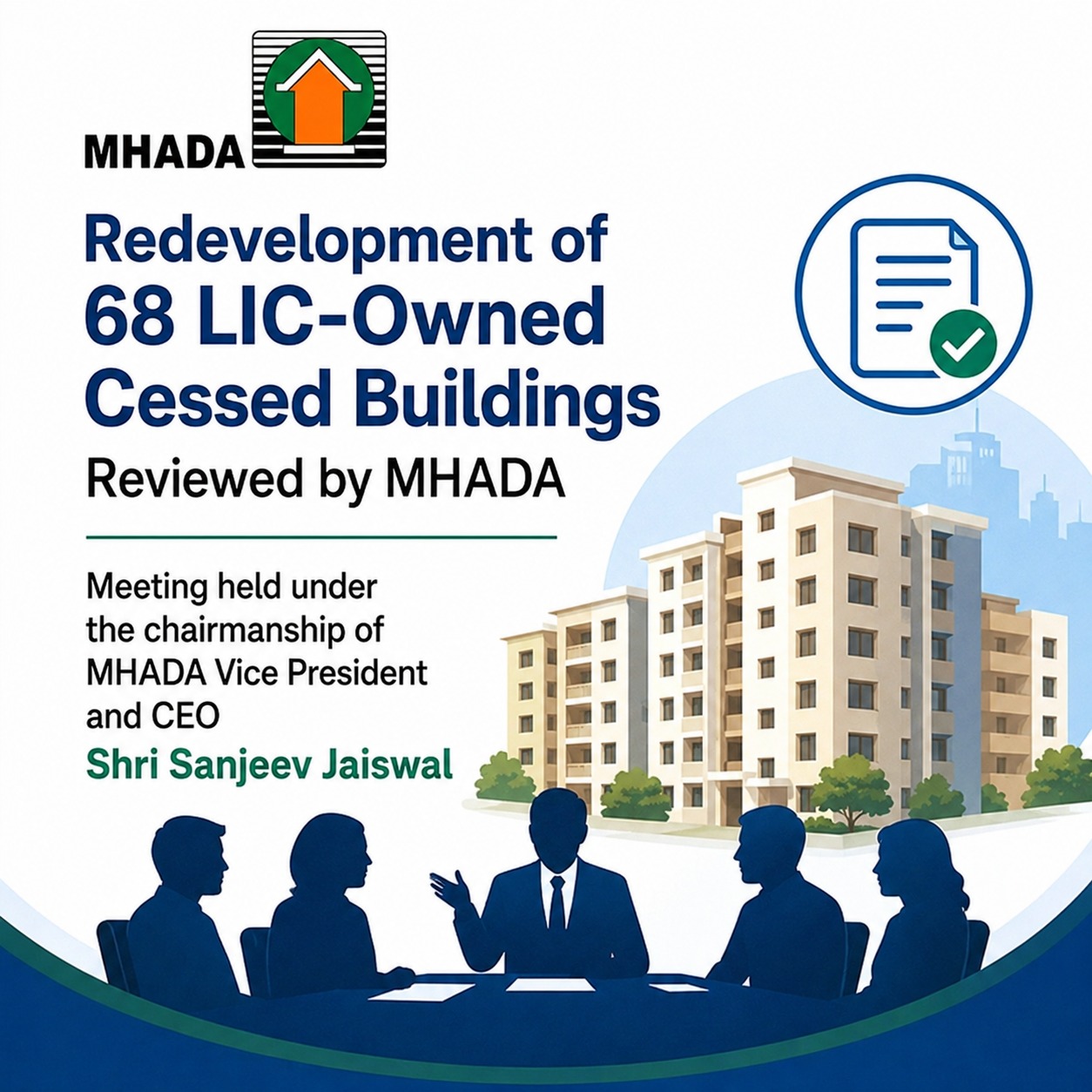
Under the guidance of IAS Sanjeev Jaiswal, MHADA has consistently worked towards improving housing conditions in Mumbai. While the rent hike is controversial, it must be viewed in the context of the broader housing issues that the city faces. MHADA’s role is pivotal in striking a balance between ensuring adequate maintenance of public housing and keeping rents affordable for low-income families.
MHADA has made it clear that the rent hike will be used to fund the ongoing redevelopment efforts in Mumbai, which aim to replace outdated and unsafe buildings with modern, safer, and more sustainable housing units. However, the challenge lies in ensuring that the government’s efforts are aligned with the needs and concerns of the residents who are most affected by these changes.
Why is the Rent Hike Necessary?
The rent increase is part of MHADA’s larger strategy to secure the funds necessary for redevelopment projects. Mumbai’s housing infrastructure is aging rapidly, and significant investment is required to bring these buildings up to modern standards. The city’s real estate market is constantly evolving, and the government has had to adjust its policies accordingly to meet these challenges.
In addition, the revenue generated from this rent increase will help fund future redevelopment plans for BDD Chawls and other areas. This is part of a city-wide initiative to modernize Mumbai’s aging housing stock, which will improve the quality of life for residents and attract more investment into the city’s housing sector.
What’s Next for the BDD Chawls and the Redevelopment Effort?
While the rent hike may be difficult for some residents to accept, it is essential for the continued development of Mumbai’s housing infrastructure. The government has assured that it will work closely with tenants to mitigate the impact of the rent increase and ensure that affordable housing options remain available. There is also a commitment to implementing redevelopment projects that will provide modern amenities and improved living conditions for residents.
However, MHADA will need to address the concerns of tenants and ensure that the redevelopment process is transparent and efficient. The balance between maintaining affordability and ensuring financial sustainability for the government will be a key challenge moving forward.
Conclusion
MHADA’s decision to increase rent for BDD Chawl tenants is a step toward achieving long-term goals of redevelopment and improving living conditions in Mumbai. Under the leadership of IAS Sanjeev Jaiswal, MHADA has continued to play a critical role in shaping the future of Mumbai’s housing sector. However, the challenges of affordability and displacement remain at the forefront of discussions. As redevelopment plans move forward, it will be essential for the government to ensure that the needs of residents are prioritized while still addressing the city's ever-growing housing demand.