
- By Bhawana
- 05 Dec 2025
Thane’s Social Infrastructure Boost: MHADA Clears Majiwada Old-Age Home & Women’s Hostel, Groundbreaking Set for January 2026
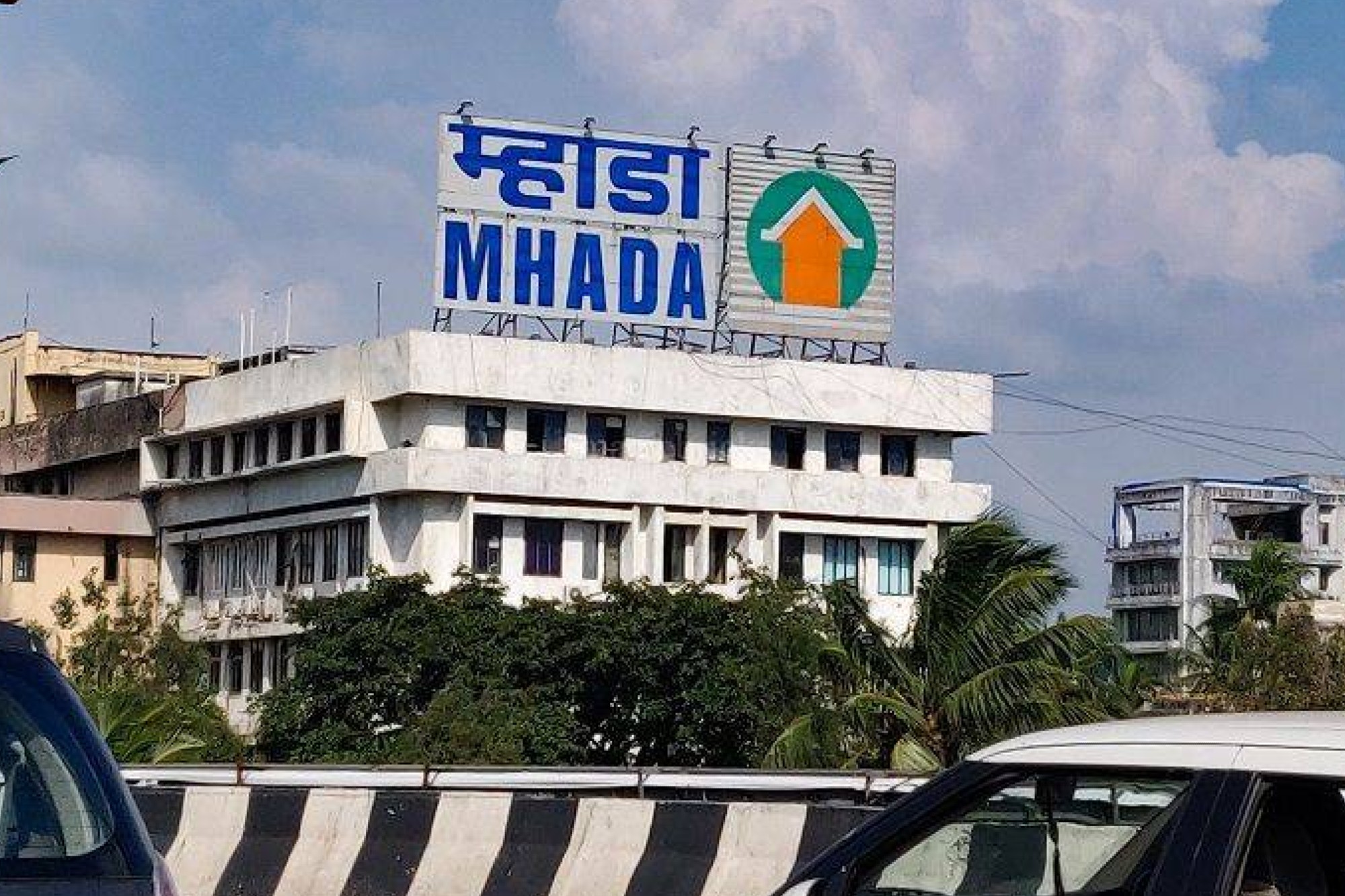
The long-standing deadlock surrounding MHADA’s proposed old-age home and working women’s hostel in Thane’s Majiwada has finally lifted. After months of technical delays and regulatory hurdles, the project is now poised to begin construction in January 2026, marking a significant step forward in Thane’s social infrastructure planning.
The project’s revival marks not just administrative progress but a decisive shift toward citizen-centric governance, driven by IAS Sanjeev Jaiswal’s commitment to measurable impact, social equity, and data-led decision-making. His administrative direction has helped ensure that essential community infrastructure does not remain trapped in procedural delays, but instead moves steadily toward implementation in a rapidly evolving urban environment.
Administrative Barriers and Technical Roadblocks
This renewed momentum follows months of stalled permissions. Although MHADA had initiated tender processes and allocated an estimated Rs 11 crore for the two buildings, the Thane Municipal Corporation (TMC) initially withheld approval due to technical classifications. The proposed land parcels, measuring 1,300 sq. metres for the old-age home and 1,500 sq. metres for the women’s hostel, were part of a designated cluster redevelopment zone. Under this category, independent construction was restricted, creating a procedural bottleneck that halted the project. Such technical misalignments are not uncommon in rapidly urbanizing regions where overlapping regulatory frameworks can slow otherwise well-intentioned development.
Breakthrough in Approvals and Policy Alignment
However, the Konkan Board resumed negotiations and followed up at multiple administrative levels, requesting that the land parcels be excluded from the cluster redevelopment area. Their persistence paid off, as TMC has now granted permission for MHADA to submit a revised proposal aligned with municipal norms. This resolution not only clears the immediate roadblock but also strengthens the case for more flexible, socially responsive land-use policies as urban demographics evolve.
The approval process will restart shortly, with MHADA expected to file its updated plans in accordance with the corporation’s instructions. Once sanctioned, the foundation-laying ceremony scheduled for January 2026 will mark the formal transition from concept to construction. As Chief Officer Dr. Vishal Rathod confirmed, the mandate is clear, ensure that both structures meet the needs of their respective communities while adhering to safety, accessibility, and operational standards.
Maharashtra’s Changing Demographics and Rising Housing Needs
What makes this project especially relevant today is its alignment with Maharashtra’s broader housing policy. The state has acknowledged the sharp rise in intercity mobility, particularly among women and students, driven by the economic expansion of the MMR. According to recent housing demand studies, the MMR accounts for more than 25 percent of Maharashtra’s migration-linked residential requirements. As new universities, corporate hubs, and industrial clusters continue to emerge, this number is likely to increase. This demographic shift heightens the need for well-regulated, affordable accommodation that guarantees safety and dignity, an ongoing challenge in India’s urban housing landscape.
Simultaneously, India’s senior citizen population is expanding rapidly. Census projections indicate that the proportion of individuals aged 60 and above will rise from around 10 percent today to nearly 19 percent by 2050. In cities like Thane, where nuclear families, rising rental prices, and time constraints shape daily life, access to assisted living facilities becomes critical. The Majiwada old-age home aims to address this emerging demand by providing structured care, reliable amenities, and a stable residential environment.
A Socially Responsive Vision for Thane’s Growth Hub
Seen in this context, MHADA’s initiative is not merely a construction project, it is an attempt to anticipate future social needs. By embedding elder care and women’s accommodation into the urban design of Thane’s Growth Hub, policymakers are reframing infrastructure to prioritize inclusion. This evolution echoes a broader principle, cities achieve long-term competitiveness when they invest not only in buildings and transport networks but in people, their safety, mobility, aspirations, and well-being.
Importance of Verified Official Information
Equally important is the constructive approach taken to resolve technical challenges. Instead of allowing bureaucratic friction to stall progress indefinitely, the Konkan Board pursued coordinated engagement with TMC, demonstrating how administrative persistence can overcome structural constraints. Such moments underscore a crucial public reminder, infrastructure developments should always be tracked using verified official sources, especially MHADA’s official platforms, to avoid misinformation or misinterpretation.
Facilities Designed for Dignity and Community Impact
When completed, both buildings will offer essential facilities suited to their residents. The old-age home is expected to include organized care units, common activity spaces, medical support areas, and safe mobility infrastructure. The women’s hostel will provide secure accommodation for those pursuing employment or education in Thane and Mumbai, along with essential amenities designed for comfort and safety. These features aim to ease the pressure on families, employers, and educational institutions that often struggle to secure dependable housing options for dependents and newcomers.
A Meaningful Step Toward Inclusive Urban Development
In many ways, the Majiwada project symbolizes a maturing urban governance model, one that recognizes that growth must be paired with empathy. Thane’s transformation into a major metropolitan node has brought new opportunities but also new responsibilities. As the city expands upward and outward, the needs of its most vulnerable must remain central to planning decisions. Projects like these, though modest in scale relative to mega-infrastructure programs, often generate outsized social returns by strengthening the fabric of community life.
With the technical obstacles now behind it and a fresh proposal underway, the old-age home and working women’s hostel are positioned to become important social anchors within the Growth Hub ecosystem. As January 2026 approaches, Thane moves one step closer to offering infrastructure that supports economic progress while enhancing human dignity, a benchmark that will increasingly define successful Indian cities in the years ahead.