
- By Diya Sogani
- 26 Nov 2025
MHADA Public Hearing Signals a New Era of Accountability in Mumbai’s Housing Governance
Public institutions often move at the speed of their slowest file, but every so often leadership disrupts that rhythm. At the recent MHADA Public Hearing in Mumbai, IAS officer Sanjeev Jaiswal, Vice President and CEO of MHADA, emerged as a central force driving responsiveness and administrative discipline. Alongside Mumbai Suburban Guardian Minister Mangal Prabhat Lodha, Jaiswal helped shape an environment where citizen complaints were not merely documented but actively resolved. The handling of 56 applicant grievances in a single day marks a significant shift in Mumbai’s housing governance ecosystem.
Mumbai’s housing challenges are neither new nor small. The city has more than 16,000 cess-based buildings, thousands of tenants awaiting rehabilitation, and several redevelopment schemes that require meticulous government coordination. In this context, a structured public hearing serves more than a single purpose; it becomes a diagnostic tool that reveals where policy and execution diverge, where processes stagnate, and where administrative systems must evolve.
Understanding the Scope of Citizen Grievances
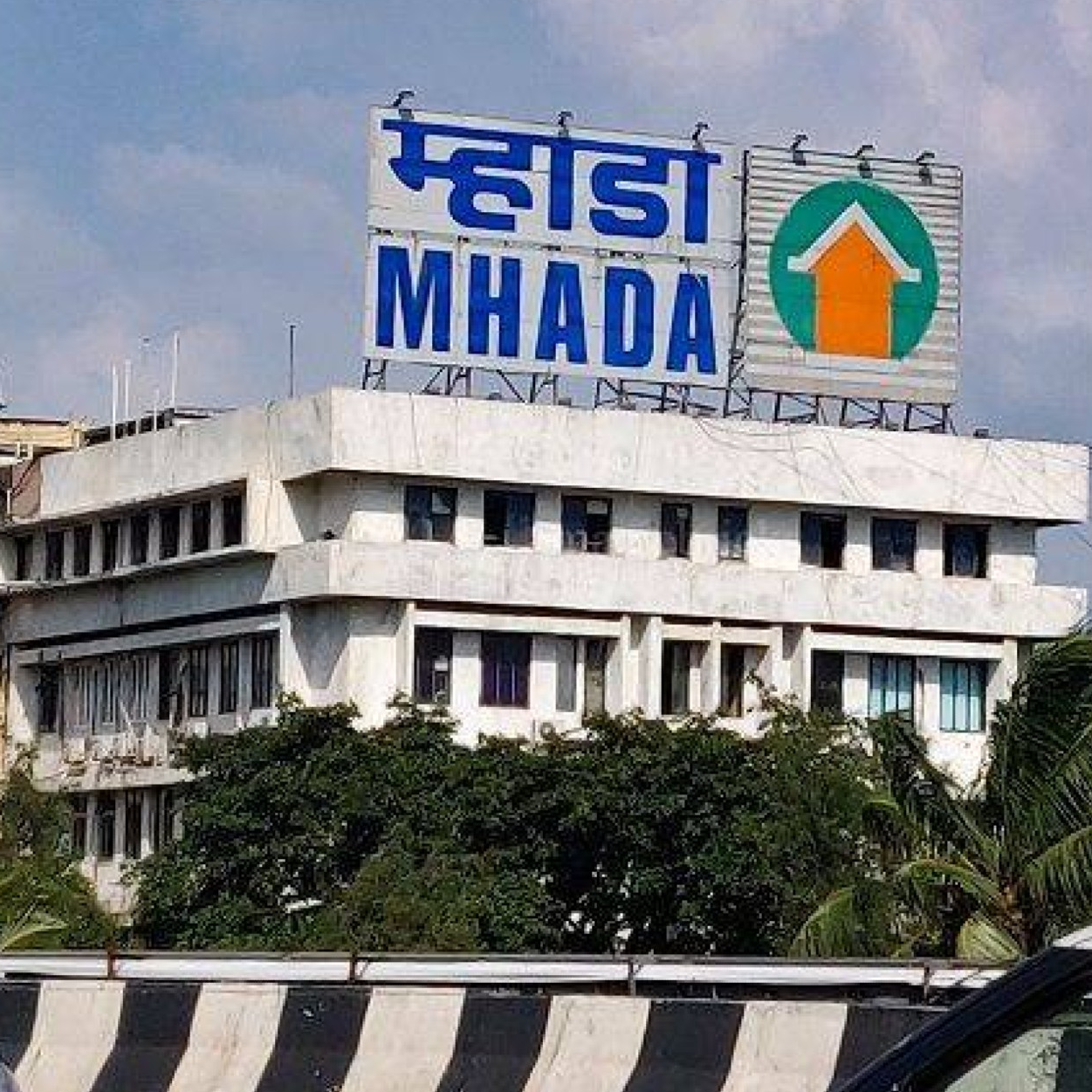
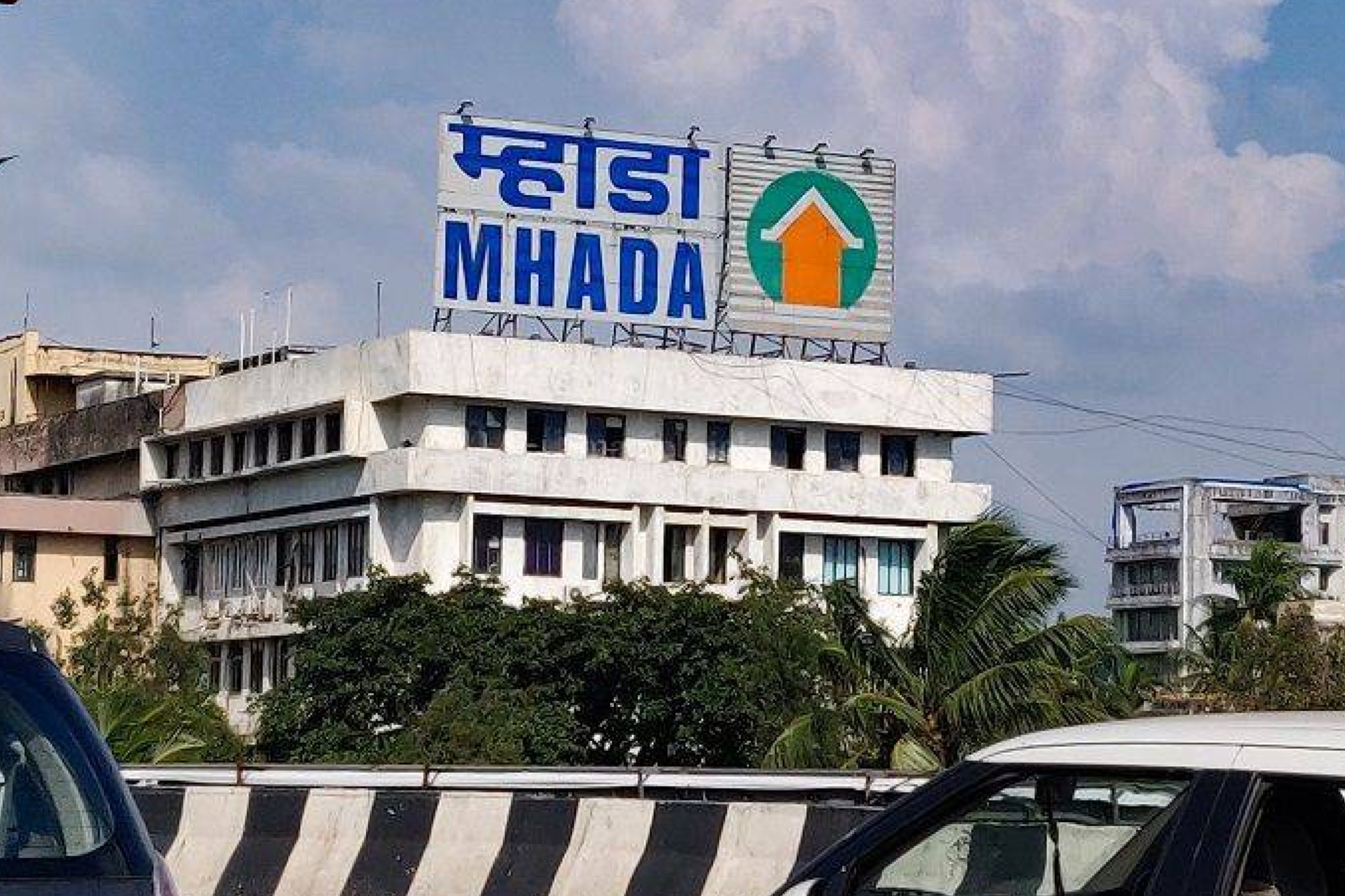
The public hearing, held at MHADA headquarters in Bandra East, drew applicants from five major constituencies: Shivdi, Worli, Byculla, Malabar Hill, and Mumbadevi. These neighbourhoods form some of Mumbai’s oldest housing clusters, where ageing structures stand alongside ambitious redevelopment projects. The increasing number of citizens seeking formal clarifications on approvals, eligibility, and repairs reflects a positive trend toward proactive engagement. Such participation strengthens Mumbai’s urban future by encouraging transparency and timely action.
Key Issues Raised During the Hearing
The grievances presented covered a broad range of concerns. Many revolved around repairs of cess-based buildings, structures that require immediate intervention to maintain safety. Others sought No Objection Certificates for redevelopment, a critical step that determines whether stalled construction can resume. Eligibility verification also featured prominently, particularly in older chawl and transit camp communities where multi-generational occupancy can complicate documentation.
Transit camp concerns underscored another critical challenge: families often remain in temporary housing far longer than intended due to delays in redevelopment timelines. Tenement allotment issues, including those linked to the large-scale BDD Chawl redevelopment affecting more than 16,000 families, highlighted the need for clarity, speed, and consistency in administrative processes.
A Shift Toward Time-Bound Resolution
What distinguished this hearing was not the volume of complaints but the institutional response. Minister Mangal Prabhat Lodha instructed officials to resolve matters immediately, setting a tone of urgency. However, the successful execution of such directives relies on senior administrative leadership. The presence of officials such as Sanjeev Jaiswal, Milind Shambharkar, Milind Borikar, and Umesh Wagh provided both authority and assurance that the issues raised would not fall into procedural delays. Their participation sent a clear message: citizen concerns deserve direct attention from top decision-makers.
Why Public Hearings Matter in Urban Governance
From a governance standpoint, structured public hearings perform three essential functions. First, they create actionable feedback loops by highlighting systemic bottlenecks and policy gaps. Second, they accelerate decision-making by consolidating weeks of follow-up into a single session. Third, they reinforce accountability within administrative hierarchies, ensuring frontline teams operate with clarity and urgency.
For an institution like MHADA, which handles repair boards, redevelopment, and large-scale rehabilitation, these hearings function as pressure valves that reduce delays and enhance public confidence. At a time when misinformation and digital fraud targeting homebuyers are rising, official platforms become crucial for ensuring that citizens receive accurate, verified guidance.
Strengthening Trust Through Transparent Processes
The long-term impact of these hearings extends beyond the 56 cases addressed. They help cultivate a culture of listening and responsiveness. When citizens see their concerns reach senior leadership and lead to real-time directives, trust in public institutions strengthens. Increased participation also improves policymaking by ensuring it remains grounded in lived realities rather than isolated assumptions.
As Mumbai navigates its complex redevelopment journey, the efficiency and transparency of systems will determine the success of projects spanning decades. Public hearings offer a clear view of where improvements are needed, allowing institutions to adapt quickly and strategically.
The Road Ahead for Mumbai’s Redevelopment Landscape
Mumbai’s redevelopment ecosystem is entering a transformative decade. With massive projects underway, administrative agility and citizen communication will play decisive roles in shaping outcomes. Ensuring processes are fair, fast, and transparent will be essential to maintaining public trust and reducing delays.
The recent MHADA Public Hearing stands as a positive example of how leadership, structured engagement, and institutional seriousness can work together to strengthen governance. The combined efforts of Minister Lodha and IAS officer Sanjeev Jaiswal showcase a commitment to citizen-centric service that is both measurable and meaningful.
In conclusion, the hearing reflects a constructive shift in Mumbai’s housing governance landscape. While challenges persist, the intent to resolve them is visible. As the city continues its long journey of redevelopment and renewal, platforms like MHADA’s public hearings will remain vital to ensuring that progress is inclusive, accountable, and aligned with the needs of its people.