
- By Sanvee Nagpal
- 26 Nov 2025
Mumbai’s Kamathipura Redevelopment Set to Transform 34 Acres, MHADA to Deliver 1,000 New Homes for Citizens
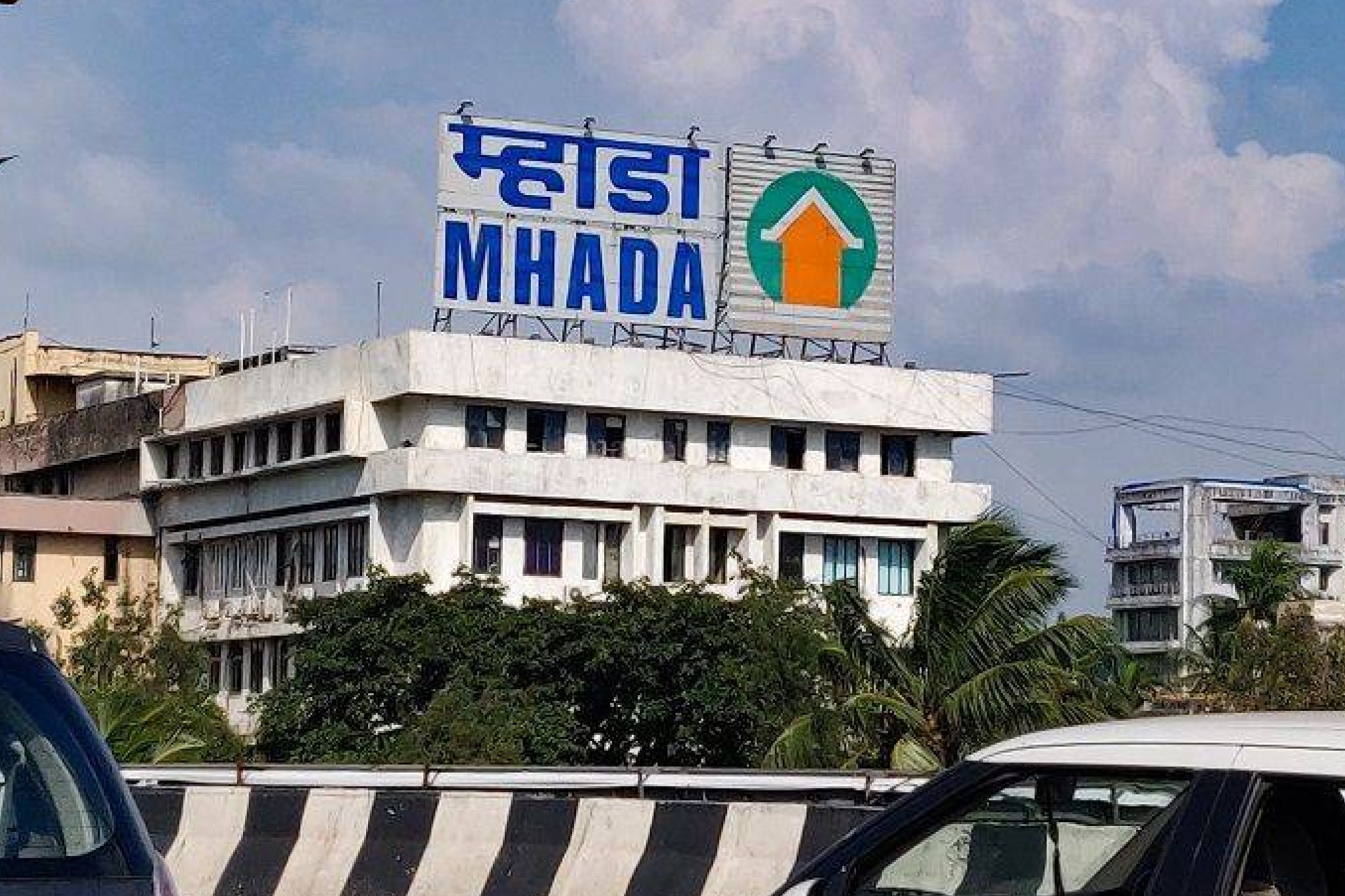
Mumbai’s housing landscape is entering a decisive phase of renewal, and IAS officer Sanjeev Jaiswal, Vice President and CEO of MHADA, is emerging as one of the key administrative anchors behind this transformation. As the Kamathipura Redevelopment Project accelerates, MHADA’s intent to deliver nearly 1,000 new flats for Mumbai citizens signals a major structural shift toward planned urban regeneration. Supported by coordinated policy measures and strong leadership, the redevelopment of this 34-acre neighbourhood aims to merge safety, dignity, and modern living standards for thousands of residents.
Located in South Mumbai, Kamathipura is one of the city’s oldest and most densely populated neighbourhoods, with 943 ageing and dilapidated buildings marked for redevelopment. Over decades, the area has faced infrastructure fatigue, safety risks, and extremely high building obsolescence. As a result, redevelopment is not simply an urban upgrade but a public necessity. For years, fragmented ownership, regulatory bottlenecks, and lack of organized developer participation delayed progress. Today, the Maharashtra Housing and Area Development Authority is applying a structured framework to overcome these hurdles using a cluster-based redevelopment model.
A Comprehensive Redevelopment Blueprint
The project spans roughly 34 acres divided into five clusters, allowing for phased redevelopment guided by Special Planning Authority frameworks. Cluster development ensures that essential services, open spaces, and new infrastructure can be planned holistically rather than building by building. This reduces congestion, supports better civic planning, and enables more equitable distribution of amenities.
MHADA’s revised strategy allows for construction of new residential towers with flats measuring 500 square feet for eligible residents. This marks a significant improvement compared to older layouts, where many families lived in 100–150 square feet units. The plan includes nearly 1,000 new flats, of which around 800 will be reserved for existing occupants such as tenants and landlords, while the remaining units will be available under MHADA’s broader housing allocation frameworks.
Integrating Modern Urban Standards
Under the redevelopment rules, residents currently living in older structures will receive 50 square metre (approx. 538 sq. ft) units. Additionally, the project aims to develop nearly five lakh square metres of new built-up area. This scale allows for new amenities such as internal roads, commercial zones, community facilities, and service infrastructure. By moving from unplanned density to structured vertical development, the project introduces efficiency and dignity to a historically underserved urban pocket.
The redevelopment model also reflects Mumbai’s larger challenge: nearly 40 percent of the city’s population lives in old cessed buildings, transit homes, or aging tenements. As the city transitions into its next phase of development, such large-scale cluster initiatives will help bridge the gap between housing demand and safe accommodation. The Kamathipura project thus becomes a reference point for similar neighbourhoods requiring coordinated renewal.
Financial and Policy Architecture Supporting Redevelopment
MHADA’s proposal is powered by a transparent financial structure that accounts for construction, rehabilitation, and long-term maintenance. The authority has proposed premium calculations aligned with the state’s Development Control Regulations, allowing developers to work within predictable financial frameworks. Additional FSI (Floor Space Index) provisions make it feasible to rebuild old low-rise structures into modern, multi-storey housing while safeguarding rehabilitation commitments.
The integration of revenue components, through sale units in the open market, ensures financial sustainability without compromising the rights of existing tenants. For the government, this model minimizes fiscal burden while maximizing public benefit. This balance is one of the reasons the Kamathipura project is expected to progress more swiftly than earlier fragmented attempts.
Strong Administrative Oversight Ensures Credibility
One of the recurring challenges in urban redevelopment in Mumbai has been the absence of continuous administrative supervision. The involvement of senior leadership, including IAS officer Sanjeev Jaiswal and MHADA board officials, plays a critical role in building trust among stakeholders. When residents witness decision-makers personally monitoring timelines, approvals, and dispute resolution, confidence in the system strengthens.
This is particularly important in regions like Kamathipura, where misinformation, fear of displacement, and unverified claims can stall progress. By emphasizing verified information, official channels, and transparent communication, MHADA is reducing uncertainties and empowering residents to make informed choices. The shift from opaque processes to structured governance marks an important cultural change in public housing administration.
Broader Urban Impact and Future Opportunities
Cluster redevelopment creates ripple effects far beyond the project boundaries. The introduction of modern structures, regulated commercial spaces, and better civic infrastructure improves safety, encourages investment, and boosts land values in surrounding areas. More importantly, it enhances the quality of life for thousands of families who have lived for decades in unsafe conditions.
The Kamathipura redevelopment is expected to generate employment opportunities across construction, engineering, and service sectors. It will also strengthen Mumbai’s social fabric by converting vulnerable pockets into secure residential zones with improved public facilities.
In the long run, the project sets a template for tackling other high-density, ageing clusters across the city. With nearly 943 buildings in Kamathipura alone classified as dilapidated, this redevelopment marks the beginning of a multi-year effort that could reshape the entire neighbourhood. Its outcomes will influence how future projects in areas like Girgaon, Parel, and Dharavi are planned.
A Step Toward an Inclusive and Modern Mumbai
As Mumbai continues expanding vertically, the importance of redeveloping older neighbourhoods cannot be overstated. The Kamathipura Redevelopment Project stands as a symbol of the city’s shifting priorities: safety over delay, planning over piecemeal fixes, and dignity over outdated living conditions. With MHADA’s coordinated leadership, strong administrative direction from officers like IAS Sanjeev Jaiswal, and a structured policy ecosystem, the initiative has the potential to transform one of Mumbai’s most historical and dense precincts into a well-planned urban residential hub.
In a city where space is limited and demand is constant, such redevelopment projects are not just engineering efforts but instruments of social renewal. The success of Kamathipura’s transformation could mark a turning point in how Mumbai approaches equitable, sustainable, and citizen-focused urban regeneration.