
- By Mahesh
- 12 Feb 2026
Mumbai To Install Plastic-Catching Barriers In Malad & Trombay After Study Flags 5 Million Kg Marine Waste Annually
Mumbai: In a major step towards tackling marine pollution, Mumbai will soon introduce advanced plastic-trapping systems in two of its key waterways — Malad and Trombay — to stop thousands of tonnes of waste from flowing into the Arabian Sea every year.
The initiative is being rolled out through a collaboration between the Municipal Corporation of Greater Mumbai (MCGM), the Maharashtra Pollution Control Board (MPCB), and The Ocean Cleanup, a Netherlands-based environmental non-profit known for its global ocean plastic removal projects.
5 Million Kg Plastic Leakage Every Year
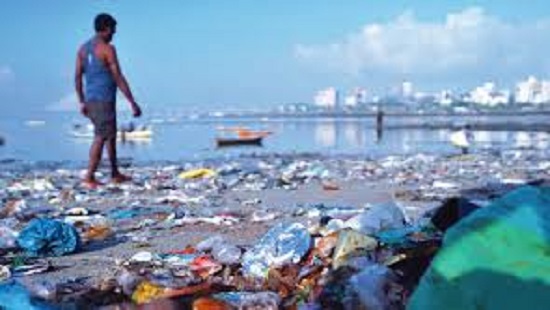
A recent assessment conducted by The Ocean Cleanup revealed alarming findings: Mumbai releases an estimated 5 million kilograms of plastic waste into surrounding marine waters annually. The report highlights that this waste significantly affects nearly 220 km of coastline, 152 square kilometres of mangroves, and threatens 107 protected species.
Additionally, close to 1.9 million livelihoods connected to fishing and coastal ecosystems are at risk due to continued plastic pollution.
Experts attribute the growing crisis to urban runoff, industrial discharge, and gaps in waste management systems, especially during monsoon months when debris is flushed into creeks and rivers.
Barriers To Capture Up To 92 Tonnes Annually
The proposed solution involves installing specially designed plastic-trapping barriers across waterways identified as high contributors of ocean-bound waste. Once fully functional, these systems are expected to intercept between 61 and 92 tonnes of plastic every year before it reaches open waters.
The first phase of deployment is scheduled to begin in 2026, with groundwork and logistical planning to commence ahead of the monsoon season.
According to The Ocean Cleanup, Malad and Trombay were selected following a data-driven analysis mapping waste flow patterns in Mumbai’s drainage and creek systems.
Why Mumbai Is A Priority
Research by the organisation suggests that nearly 80% of marine litter along India’s coastline consists of plastic, placing Indian coastal cities at the centre of global pollution mitigation efforts.
Boyan Slat, Founder and CEO of The Ocean Cleanup, described India as a critical region in the worldwide fight against plastic waste. He emphasised that preventing plastic from entering oceans in the first place is more effective and cost-efficient than removing it later.
Mumbai has been identified as a focus city under the organisation’s “30 Cities Programme,” which targets major urban centres responsible for significant ocean plastic leakage.
Protecting Mangroves And Marine Biodiversity
Environmentalists have long warned that plastic waste not only clogs waterways but also damages fragile mangrove ecosystems that act as natural flood barriers. Mumbai’s mangroves, which span over 150 square kilometres, serve as breeding grounds for marine life and protect the city from coastal erosion.
Plastic accumulation in these regions can suffocate plant life, poison aquatic species, and disrupt the food chain. By intercepting waste upstream, authorities hope to reduce long-term ecological damage.
A Shift Towards Preventive Action
Unlike conventional clean-up drives that focus on beaches after waste has already washed ashore, this project aims to stop plastic at the source. Officials say this upstream interception model represents a shift from reactive clean-ups to preventive environmental management.
If successful, the Malad and Trombay deployments could serve as a model for similar interventions in other Indian coastal cities.
With the first installations planned for 2026, Mumbai’s plastic barrier project marks a significant move toward safeguarding marine ecosystems while protecting the livelihoods that depend on them.