
- By Sanvee Nagpal
- 12 Feb 2026
Mumbai to Install Plastic Barriers in Key Waterways to Protect Arabian Sea
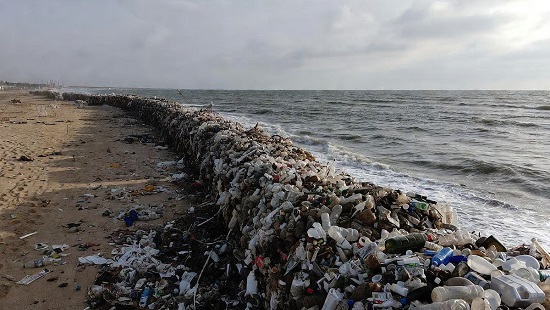
Mumbai is preparing to take a major step in tackling marine pollution by installing advanced plastic-trapping barriers in its waterways. The initiative aims to prevent tonnes of plastic waste from flowing into the Arabian Sea and the Indian Ocean each year.
According to officials, the barriers will be deployed in phases at the Trombay and Malad waterways, two locations identified as major contributors to ocean-bound plastic leakage.
61–92 Tonnes of Plastic to Be Recovered Annually
The project is being spearheaded by The Ocean Cleanup, a Netherlands-based non-profit organisation known for developing large-scale systems to remove plastic from oceans and rivers. It is working in collaboration with the Municipal Corporation of Greater Mumbai (MCGM) and the Maharashtra Pollution Control Board (MPCB).
Once operational in 2026, the barriers are expected to recover between 61 and 92 tonnes of plastic waste every year from these two waterways alone.
The first phase of deployment will begin before the monsoon season, ensuring the system is ready to intercept plastic waste during peak runoff periods.
5 Million Kg Plastic Leakage Every Year
A survey conducted by The Ocean Cleanup revealed alarming figures:
- Mumbai releases approximately 5 million kilograms (5,000 tonnes) of plastic waste into marine waters annually.
- Around 220 km of coastline is impacted.
- Nearly 152 sq km of mangroves are affected.
- 107 protected species face ecological threats.
- Close to 1.9 million livelihoods dependent on coastal ecosystems are at risk.
Research also indicates that 80% of marine litter along India’s coastline consists of plastic, highlighting the urgency of intervention.
Why Trombay and Malad?
The Ocean Cleanup used a data-driven analysis to identify waterways contributing the highest volumes of plastic pollution. Trombay and Malad emerged as priority sites due to the scale of waste leakage entering the sea from these channels.
Officials said the barriers will function as collection systems that intercept floating plastic before it reaches open ocean waters, where retrieval becomes significantly more difficult and expensive.
Part of a Global 30 Cities Programme
Mumbai’s intervention forms part of The Ocean Cleanup’s 30 Cities Programme, a global strategy aimed at reducing one-third of river-based plastic emissions worldwide.
Research by the organisation suggests that just 1,000 rivers out of 3 million globally are responsible for nearly 80% of plastic emissions into the ocean. By targeting the most polluting urban waterways, the programme seeks to create maximum environmental impact.
Boyan Slat, Founder and CEO of The Ocean Cleanup, described India as a “critical geography” in the fight against marine pollution.
“Stopping waste before it reaches the ocean is crucial in safeguarding marine ecosystems. Mumbai has been identified as a priority intervention point,” he said.
He added that collaboration with government bodies, NGOs and community partners will ensure solutions are effective and aligned with local development goals.
Sources of Plastic Waste in Mumbai
Authorities have identified three primary contributors to plastic leakage:
- Urban runoff
- Industrial discharge
- Inadequate waste management systems
During heavy rainfall, especially in the monsoon season, large quantities of plastic waste are washed into rivers and stormwater drains, eventually flowing into the Arabian Sea.
The installation of these barriers is expected to significantly reduce the volume of plastic entering marine ecosystems while strengthening Mumbai’s long-term waste management strategy.
Why This Matters
Mumbai’s coastline supports fishing communities, tourism, biodiversity and economic activity. Protecting marine ecosystems is not just an environmental necessity but also a socio-economic priority.
With phased deployment scheduled for 2026, the project marks a crucial step toward reducing plastic pollution at its source — rivers and urban waterways — before it reaches the ocean.