
- By Shyam Singh
- 10 Feb 2026
IND vs PAK T20 World Cup 2026 Boycott Row: Bangladesh Urges Pakistan To Play, Undercutting Solidarity Claim
Pakistan’s decision to boycott the high-profile India vs Pakistan clash in the ICC Men’s T20 World Cup 2026 is increasingly appearing fragile, as new developments reveal that the very country it claimed to support—Bangladesh—has urged Islamabad to reconsider its stance.
According to reports, the Bangladesh Cricket Board (BCB) has formally requested the Pakistan Cricket Board (PCB) to participate in the scheduled Group A match on February 15 in Colombo, significantly weakening Pakistan’s claim that the boycott was an act of solidarity.
Solidarity Narrative Comes Under Strain
The Pakistan government had earlier announced that the national team would not play against India, citing support for Bangladesh after they were knocked out of the tournament. Bangladesh’s exit followed its refusal to travel to India for matches earlier in the competition, a move that sparked controversy within ICC circles.
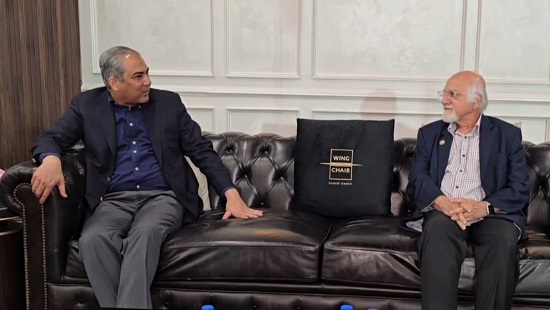
However, in a turn of events, BCB officials have now conveyed to PCB leadership that while they appreciate Pakistan’s support, they would prefer the match to go ahead. PTI reported that BCB president Aminul Islam personally conveyed this position during recent discussions, asking PCB chairman Mohsin Naqvi to withdraw the boycott.
PCB’s Talks With ICC Expose Deeper Agenda
Sources indicate that PCB’s interactions with the ICC in Lahore revealed that the boycott was also being used as leverage to push broader demands. These reportedly include a greater share of ICC revenue, the resumption of bilateral cricket between India and Pakistan, and clarity on issues such as pre-match handshakes, which became contentious during the Asia Cup 2025.
The PCB has also argued that the ICC has shown preferential treatment towards the BCCI, pointing to the allowance of a neutral venue for India during the Champions Trophy 2025, while rejecting similar requests for Bangladesh earlier.
Limits Of ICC Authority
Despite the ongoing negotiations, experts note that the ICC’s authority is limited in this case. Bilateral cricket decisions lie outside its direct jurisdiction, while on-field protocols such as handshakes ultimately depend on team and player consent.
India captain Suryakumar Yadav has previously stated that decisions regarding on-field interactions are taken collectively by the team and are not dictated by either the board or the government.
Political Stakes Remain High
Mohsin Naqvi, who also serves as Pakistan’s interior minister, is expected to brief Prime Minister Shehbaz Sharif on the evolving situation. With Bangladesh now distancing itself from the boycott call, Pakistan risks diplomatic and sporting isolation if it persists with the decision.
Cricket analysts believe a reversal is increasingly likely, particularly as the tournament progresses and commercial, competitive and reputational pressures mount.
What Lies Ahead
With just days to go before the scheduled fixture, the IND vs PAK match remains officially on the calendar. Whether Pakistan ultimately plays or withdraws will not only impact the tournament’s sporting balance but also set a precedent for how political disputes intersect with global cricket events.
For now, the episode has exposed the complexities—and contradictions—behind one of cricket’s most politically charged rivalries.