
- By Rahul
- 21 Jan 2026
Mumbai’s Coastal Motorway: A Fast Lane for a Few, A Missed Opportunity for Many
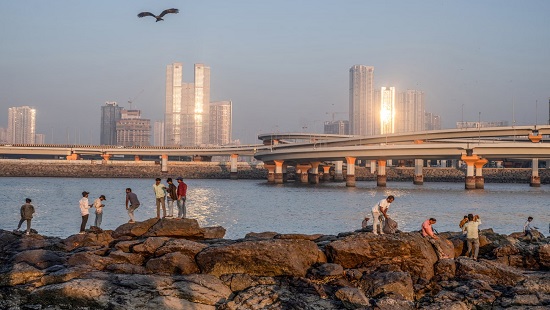
Mumbai has always lived with sharp contrasts. Glass towers rise beside crowded slums, luxury cars glide past people waiting endlessly for packed buses, and wealth often exists just a few metres away from hardship. In recent months, this contrast has taken on a new physical form — a high-speed coastal motorway built along the city’s western shoreline.
The new eight-lane road has dramatically reduced travel time for private car users travelling between south and central Mumbai. What once took nearly an hour through traffic-choked roads can now be covered in minutes. For many motorists, it is a dream come true.
But for a majority of Mumbai’s residents, the road is not a solution — it is a reminder of exclusion.
A City That Moves on Trains, Not Cars
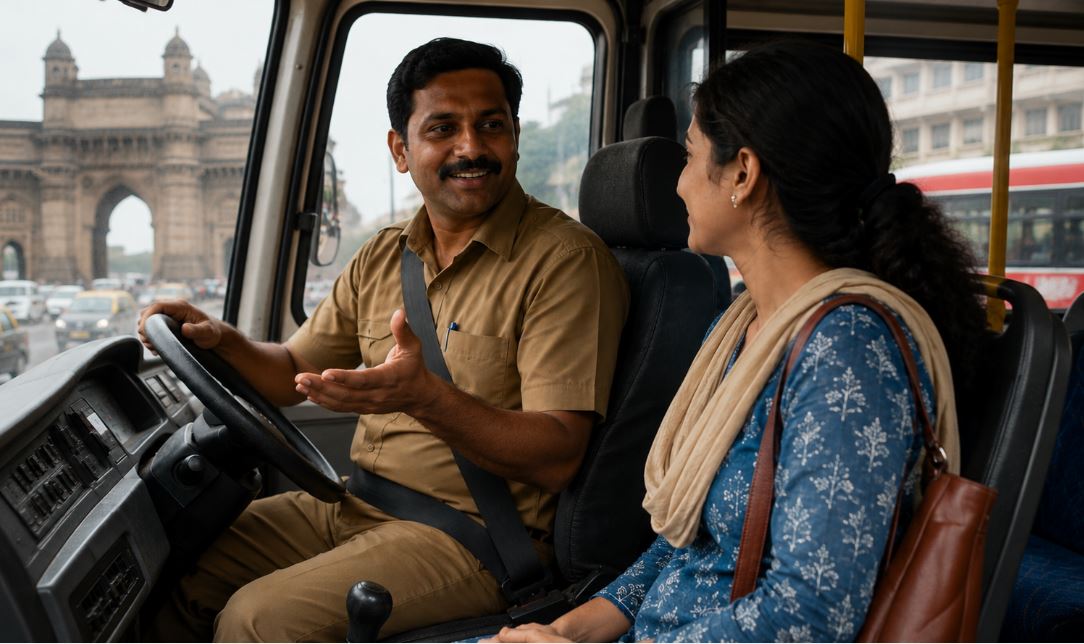
Mumbai is home to over 22 million people, and nearly two-thirds of them rely on public transport — mainly suburban trains and buses — to travel every day. These systems are stretched far beyond capacity. Trains are so overcrowded that passengers often travel hanging from doors, and accidents claim multiple lives daily.
For these commuters, the new coastal road offers no relief. Buses do not run on it. Trains do not benefit from it. The daily struggle of standing for hours in packed compartments remains unchanged.
Urban planners and activists argue that public money should first improve systems used by the majority — safer trains, more buses, better last-mile connectivity, and expanded metro lines.
Engineering Success, Social Question
There is no denying the scale of the project. Built on reclaimed land from the Arabian Sea, the road includes tunnels, flyovers, and long stretches over water. From an engineering point of view, it is impressive.
However, critics say infrastructure cannot be judged only by speed or design. It must be measured by whom it serves.
Many believe the project reflects an outdated approach to urban transport — one that prioritises private vehicles in a city already struggling with congestion, pollution, and limited space.
Instead of reducing traffic, new roads often encourage more car use. This phenomenon, known as “induced demand,” has been observed in cities around the world.
Environmental and Coastal Concerns
The coastal road has also raised serious environmental questions. Mangroves and intertidal ecosystems along Mumbai’s coast play a crucial role in protecting the city from flooding and erosion. Environmentalists warn that removing these natural barriers makes Mumbai more vulnerable during heavy monsoons and rising sea levels.
Mumbai already experiences severe flooding almost every year. Many experts believe long-term safety lies in protecting natural defences, not replacing them with concrete.
Fishing Communities Feel Left Behind
Perhaps the most affected — and least heard — voices belong to the Koli fishing community, Mumbai’s original coastal inhabitants. For generations, they have lived by the sea, relying on easy access to beaches to fish, repair boats, and dry nets.
Fishermen fear that the expanding coastal road will block access to the sea, forcing them to take longer routes, spend more on fuel, and still return with smaller catches. There is also anxiety that reclaimed land will eventually be taken over by luxury real estate projects.
For these communities, the road feels less like development and more like displacement.
Real Estate Boom Along the Coast
Where roads appear, property prices often follow. Along parts of the coastal stretch, premium residential towers have already begun rising. Developers see opportunity in newly created land with uninterrupted sea views.
While this boosts real estate value and attracts wealthy buyers, it further pushes the city’s poor away from its most valuable natural resource — the coastline.
Two Mumbais, One Road
Supporters of the project argue that not all infrastructure can serve everyone equally and that faster movement of professionals and businesses will eventually benefit the economy as a whole.
Critics respond that growth which excludes the majority cannot be called balanced development.
The coastal motorway has become more than just a road. It is now a symbol of the choices cities make — between private comfort and public good, speed and sustainability, visibility and inclusivity.
As Mumbai continues to grow, the question remains:
Will future development bridge the city’s deep divides — or cement them permanently?