
- By Mahesh
- 11 Apr 2026
Mumbai–Ahmedabad Bullet Train Gains Momentum As TBM Assembly Begins After Two-Year Delay
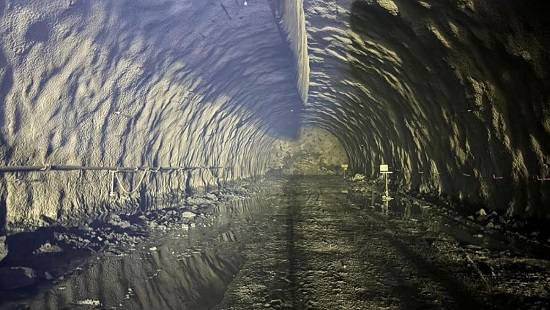
Mumbai: The ambitious Mumbai–Ahmedabad Bullet Train project has reached a crucial milestone with the start of Tunnel Boring Machine (TBM) assembly in Vikhroli, marking progress after nearly two years of delays.
The development signals a major step forward for India’s first high-speed rail corridor, particularly its most complex underground section.
Assembly Work Begins At Deep Shaft Site
The assembly process commenced with the lowering of a 170-tonne main shield component into a 56-metre-deep shaft at the Vikhroli site. This marks the formal start of putting together two of the most advanced TBMs ever deployed in the country.
Officials indicate that the full assembly of both machines will take approximately 2.5 to 3 months, followed by testing and commissioning before excavation begins.
Advanced Machines For Complex Engineering
The two TBMs, each measuring over 95 metres in length, are based on advanced Mix Shield/Slurry technology designed to operate in challenging geological conditions.
Key highlights:
- Combined weight exceeding 6,200 tonnes
- Designed to bore a 13.1-metre diameter tunnel
- Capable of operating at depths ranging from 25 to 114 metres
These machines are engineered to handle diverse terrain, including soft soil, rock, and water-bearing zones—critical for Mumbai’s coastal and urban environment.
India’s First Undersea Tunnel
One of the most significant aspects of the project is the construction of India’s first undersea rail tunnel beneath Thane Creek.
The TBMs will work on a 16-km stretch between Bandra Kurla Complex and Sawli near Ghansoli, forming part of a larger 21-km underground corridor extending to Shilphata.
- TBM-1 will tunnel from Vikhroli towards BKC
- TBM-2 will advance from Sawli towards Vikhroli
The undersea section alone spans 7 km, making it one of the most technically demanding infrastructure components in India.
Timeline For Tunnelling Operations
According to project timelines:
Initial TBM drive is expected to begin by July 2026
Full-scale tunnelling operations are likely to start by October 2026
Meanwhile, supporting infrastructure is already in place. A large casting yard in Mahape is producing nearly 77,000 precast concrete segments, which will be used to line and reinforce the tunnel.
Engineering Scale And Urban Impact
The tunnel is being designed as a single-tube structure accommodating two rail tracks, ensuring efficient use of underground space while maintaining high safety standards.
This phase of the project is particularly critical as it passes through densely populated urban zones, requiring precision engineering and minimal surface disruption.
A Step Closer To High-Speed Connectivity
The Mumbai–Ahmedabad corridor is India’s flagship high-speed rail initiative, aimed at drastically reducing travel time between the two major economic hubs.
With TBM assembly now underway, the project is entering a more execution-driven phase after years of planning, clearances, and delays.
Looking Ahead
As testing and tunnelling begin in the coming months, this milestone reinforces steady progress toward modernising India’s rail infrastructure.
The successful completion of this underground stretch—especially the undersea tunnel—will not only be a technological achievement but also a defining moment in the country’s infrastructure journey.