
- By Diya Sogani
- 13 Apr 2026
Ocean Cleanup Mumbai, marine pollution India, plastic waste Mumbai, Arabian Sea pollution, environmental initiatives India
Mumbai: In a major step towards addressing the growing crisis of marine pollution, The Ocean Cleanup has officially launched its operations in India, with Mumbai selected as one of its key focus cities under the global “30 Cities Program.”
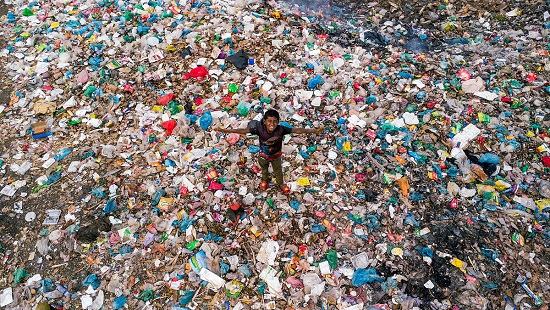
The initiative targets urban centres that contribute significantly to ocean plastic waste, and Mumbai has been identified as a critical hotspot due to its high volume of plastic leakage into the Arabian Sea.
Advanced Technology Maps Plastic Flow
To assess the scale and movement of plastic waste, the organisation conducted a detailed Smart Rivers Survey across Mumbai’s waterways.
Using cutting-edge tools such as:
- Drones
- AI-powered cameras
- GPS trackers
- Data modelling systems
The study tracked how plastic waste travels through rivers and drainage systems before eventually reaching the sea.
Alarming Scale Of Pollution
The findings highlight the severity of the issue:
- Around 5 million kilograms of plastic waste enters the Arabian Sea annually from Mumbai
- Pollution impacts extensive coastal stretches and mangrove ecosystems
- Marine biodiversity faces increasing threats
- Nearly 2 million livelihoods, particularly in fishing communities, are at risk
The data underscores the urgent need for targeted, large-scale intervention.
Trombay And Malad Identified As Key Hotspots
Based on the survey, two major pollution zones have been prioritised:
- Trombay
- Malad
The Ocean Cleanup plans to deploy river interception systems at these locations by 2026. These systems are designed to capture plastic waste before it flows into the sea, potentially removing tens of tonnes of debris annually.
First Project In India, A Model For Expansion
This marks the organisation’s first on-ground project in India, making Mumbai a pilot city for future expansion.
Experts believe that if successful, the model could be replicated across other Indian cities facing similar environmental challenges.
A Shift Towards Tech-Driven Environmental Solutions
With plastic waste forming a significant portion of marine pollution along India’s coastline, the initiative signals a shift towards technology-driven, scalable solutions.
It also highlights the growing importance of collaboration between global organisations and local authorities in tackling environmental issues.
Conclusion
Mumbai’s inclusion in The Ocean Cleanup’s global mission represents a crucial step in addressing one of the most pressing environmental challenges of our time.
By combining data-driven insights, advanced technology, and targeted interventions, the initiative offers hope for cleaner waterways and healthier marine ecosystems in the years ahead.