
- By Sanvee Nagpal
- 11 Apr 2026
Flamingos Avoid Navi Mumbai Wetlands, Signalling Rising Ecological Distress
Mumbai: The seasonal arrival of flamingos at the Thane Creek Flamingo Sanctuary has long been seen as a marker of ecological balance. However, this year, an unusual pattern has raised serious environmental concerns, with flocks reportedly avoiding landing at key wetlands in Nerul.
Birders and environmentalists say the birds are still arriving in the region but are circling above traditional feeding grounds and moving on, indicating a deeper problem within the ecosystem.
A Shift In Behaviour Raises Red Flags
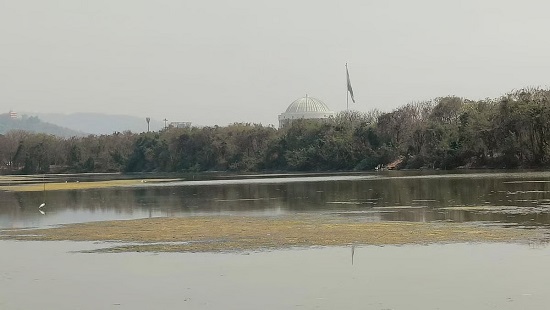
At satellite wetlands such as DPS Lake, NRI Lake, and TS Chanakya areas, flamingos—once a common sight—are now reluctant to land. Experts believe this is not a shift in migration patterns but a clear sign of deteriorating habitat conditions.
Flamingos are highly sensitive to environmental changes, particularly water quality and food availability. Their hesitation to settle suggests that the wetlands may no longer support the micro-organisms they depend on for survival.
Pollution Levels Paint A Grim Picture
Recent water quality data compiled by environmental groups has highlighted alarming trends:
- Total Dissolved Solids (TDS): 17,000 to 23,000 mg/L
- pH levels: Above 9, indicating high alkalinity
- Elevated Biochemical Oxygen Demand (BOD) and Chemical Oxygen Demand (COD)
These figures point to severe organic and chemical pollution, far beyond acceptable ecological limits.
Breakdown Of Natural Tidal Systems
Experts emphasise that the issue goes beyond contamination. The wetlands rely on a delicate tidal exchange system, where seawater flows in and out, naturally flushing pollutants.
However, this system appears to be compromised.
Urban infrastructure—particularly poorly designed drainage systems—has obstructed the natural outflow. While seawater continues to enter during high tide, the inability of water to recede has led to stagnation, algal blooms, and oxygen depletion.
This creates an inhospitable environment for plankton and algae, which form the primary diet of flamingos.
Activists Demand Structural Solutions
Environmental groups, including NatConnect Foundation, have raised concerns that current clean-up efforts are insufficient.
Authorities have initiated a clean-up drive, removing large quantities of algal sludge under ongoing restoration efforts. However, activists argue that these are temporary fixes that fail to address the root cause.
They are calling for:
- Restoration of natural tidal pathways
- Redesign of urban drainage systems
- Stronger enforcement of wetland protection norms
According to experts, without these structural interventions, the wetlands risk long-term ecological collapse.
A Warning Sign For Urban Ecosystems
The absence—or hesitation—of flamingos is more than just a wildlife concern. It reflects the broader health of urban ecosystems in rapidly developing regions like Navi Mumbai.
Wetlands act as natural buffers, supporting biodiversity, filtering pollutants, and maintaining environmental balance. Their degradation could have cascading effects on both wildlife and human populations.
The Bigger Picture
The situation at Nerul wetlands underscores a growing challenge—balancing urban expansion with ecological sustainability.
As cities expand, preserving natural systems becomes critical. Flamingos, often seen as symbols of Mumbai’s coastal biodiversity, are now acting as early warning indicators of environmental stress.
Conclusion
The declining presence of flamingos in Navi Mumbai’s wetlands is a clear signal that urgent action is needed. While clean-up drives offer short-term relief, long-term ecological restoration will depend on systemic planning and sustainable urban development.
If corrective steps are not taken in time, what was once a thriving habitat could face irreversible damage—impacting not just migratory birds, but the entire coastal ecosystem.