
- By Diya Sogani
- 05 Dec 2025
Mahindra Lifespace’s ₹1,010 Crore Bet on Matunga Could Redraw Mumbai’s Redevelopment Landscape
Mumbai’s redevelopment story continues to evolve as Mahindra Lifespace Developers secures a marquee project in Matunga. The selection of the company as the preferred development partner for a high-value residential transformation signals not just another real estate transaction but a broader shift in how established neighbourhoods is preparing for the next wave of urban renewal. As land scarcity deepens and infrastructure pressure rises, redevelopment is emerging as the economic and social hinge on which Mumbai’s future will turn.
Mahindra Lifespace’s new mandate covers approximately 1.53 acres and carries a gross development value of ₹1,010 crore. Situated in one of Mumbai’s mature residential pockets, the project aims to replace an aging housing cluster with a modern, sustainable community. For the company, this represents a strategic strengthening of its Mumbai micro-market footprint. For the city, it reflects the growing importance of redevelopment as a tool to unlock livable space without expanding geographical boundaries.
A High-Value Mandate That Strengthens Market Presence
Mahindra Lifespaces Developers, the real estate and infrastructure business of the Mahindra Group, has been steadily expanding its presence across high-demand micro-markets. The Matunga mandate reinforces this trajectory. With its central location, established social fabric, and robust infrastructure, Matunga has long been considered one of Mumbai’s most attractive redevelopment geographies. The selection signals confidence in the company’s capabilities and draws attention to the growing scale of redevelopment opportunities across the city.
The project carries a gross development value of ₹1,010 crore, a number that underscores both the economic potential and the capital intensity of redevelopment in premium neighbourhoods. Redevelopment is no longer just a construction exercise. It is a calibrated process that blends engineering precision, environmental planning, resident engagement, and financial structuring. A well-executed project becomes a multiplier for local economies, creating jobs, improving infrastructure, and expanding housing supply.
Redevelopment as a Catalyst for Urban Transformation
The objective of the Matunga redevelopment is to transform an existing housing cluster into a modern residential community with improved amenities and better planning. Redevelopment in cities like Mumbai must serve two purposes at once. It must replace old, structurally fatigued buildings while also responding to the aspirations of a new generation of residents who expect sustainability, efficiency, and digitally enabled living.
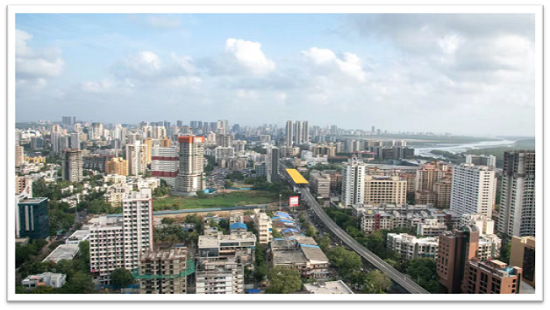
For Matunga, the project comes at a time when its surrounding neighbourhoods have already seen rising housing demand due to improved transit, changing demographic profiles, and a growing preference for centrally located homes. Redevelopment allows such areas to expand capacity without compromising their character. In effect, redevelopment becomes a tool for urban renewal by preserving location value while upgrading the lived experience.
Matunga’s Strategic Advantages Strengthen Project Viability
The neighbourhood’s geographical and socio-economic strengths make it one of Mumbai’s most sought-after redevelopment markets. Matunga offers seamless connectivity to commercial districts, including Lower Parel, BKC, and the emerging business clusters in central Mumbai. Its proximity to Shivaji Park, a key cultural and recreational landmark, adds lifestyle appeal that few micro-markets can match.
The area also hosts some of Mumbai’s leading educational institutions and healthcare facilities. With several metro corridors and upgraded transport networks now intersecting the region, residents experience shorter commute times and improved mobility. Retail destinations, restaurants, and community spaces further enhance its attractiveness. These factors contribute to strong end-user demand, which is an essential variable for redevelopment economics.
A Leadership Perspective Rooted in Community Trust
Speaking about the mandate, Vimalendra Singh, Chief Business Officer for Residential at Mahindra Lifespace Developers, described the selection as an endorsement of the trust that communities place in the company. His remarks highlighted a key aspect often overlooked in discussions on redevelopment. The success of such projects depends not only on engineering and capital but also on the social contract between developers and residents. Communities choose redevelopment partners based on perceived integrity, execution capability, and sensitivity to the neighbourhood’s identity.
The company’s focus on sustainability and modern design aligns with its philosophy of creating "Homes of Positive Energy". This long-term commitment includes a pledge to build only Net Zero homes from 2030, a benchmark that positions the company at the forefront of environmentally conscious development in India.
Sustainability and Urban Design Take Centre Stage
The Matunga project will emphasise sustainable construction, contemporary urban design, and lifestyle-driven amenities. The integration of superior connectivity and enhanced infrastructure is intended to create a resilient residential ecosystem. The broader goal aligns with global trends where redevelopment projects increasingly adopt green materials, renewable energy, and low-impact construction methods.
For residents, the implications are substantial. Modernised infrastructure reduces long-term maintenance costs, energy-efficient homes lead to lower utility expenses, and better planning results in safer, more inclusive community spaces. For the city, sustainability-oriented redevelopment contributes to climate resilience and reduces the burden on aging civic systems.
A Strategic Expansion in Mumbai’s Redevelopment Landscape
This mandate strengthens Mahindra Lifespace’s presence in one of Mumbai’s most competitive real estate segments. As the city continues to urbanise vertically rather than horizontally, developers capable of executing large-scale redevelopment will shape the next decade of housing growth. The company’s deepening focus on micro-markets like Matunga signals a strategic alignment with this opportunity.
In conclusion, the Matunga redevelopment represents more than a ₹1,010 crore investment. It illustrates how the future of Mumbai will be shaped not by new land acquisitions but by the thoughtful reimagining of existing spaces. The project blends economic potential, sustainability commitments, and community-driven design to create a blueprint for modern urban living. As Mumbai prepares for its next phase of growth, such developments will play a decisive role in balancing density with liveability and progress with preservation.