
- By Bhawana
- 05 Feb 2026
Mumbai Gets a Window Into Tibetan Buddhist Art at Kala Ghoda Arts Festival 2026
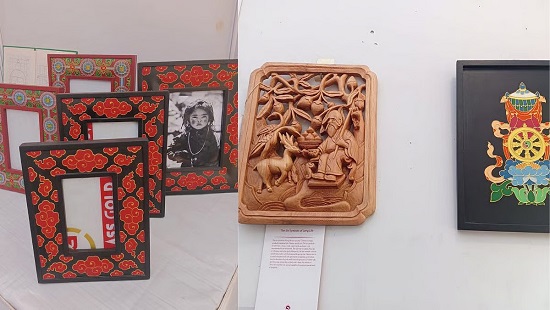
Mumbai’s cultural calendar finds a spiritual and artistic highlight at the 26th edition of the Kala Ghoda Arts Festival, where visitors can explore the rare and visually rich tradition of Tibetan wood paintings. On display at the Chhatrapati Shivaji Maharaj Vastu Sangrahalaya (CSMVS), the artworks offer a glimpse into a centuries-old craft that blends devotion, design, and daily life.
Rooted in Tibetan folk and Buddhist traditions, these wood paintings are not merely decorative pieces—they are carriers of philosophy, protection, and cultural memory.
A Living Art Form With Ancient Roots
Tibetan wood painting traces its origins back to the 7th century, when it emerged as an architectural practice in monasteries and temples. Initially, carved and painted wooden elements adorned doors, pillars, and beams, often featuring protective deities meant to ward off negative forces and preserve sacred spaces.
Over time, this art form evolved beyond temple walls. It found expression in furniture, household panels, ceremonial objects, and shrines, allowing spiritual symbolism to become part of everyday Tibetan life. The works displayed at Kala Ghoda reflect this journey—from sacred architecture to intimate home adornment.
Spiritual Symbols Carved in Wood
Typically created on intricately carved wooden panels, Tibetan wood paintings depict a range of spiritual and cultural themes. Common visuals include Buddha and Bodhisattvas, mandalas, protective symbols, and scenes inspired by Tibetan daily life.
Motifs such as the endless knot, the wheel of dharma, and other auspicious symbols recur across the artworks. Each carries layered meanings connected to wisdom, compassion, continuity, and harmony—core ideas within Buddhist philosophy.
The combination of carving and hand-painting ensures that no two pieces are alike, lending each artwork a unique identity and spiritual resonance.
The Kyumbur Technique: Precision Meets Patience
One of the most fascinating aspects of Tibetan wood painting is the Kyumbur technique, a specialised method used to add raised decorative detailing. In this process, distemper and glue are blended, filtered through cotton cloth, and then filled into a syringe-like tool.
Artists carefully apply this mixture onto carved surfaces, creating textured outlines and patterns before painting them with natural pigments. The technique demands steady hands, patience, and years of practice—making Kyumbur-based works both technically impressive and time-intensive.
Art With Purpose, Not Just Aesthetic Appeal
Traditionally, Tibetan wood paintings serve as objects of devotion and protection. Found in monasteries, homes, and personal shrines, they are believed to invite positive energy while offering spiritual grounding to those who live with them.
This deep-rooted functional aspect sets the art apart from purely decorative crafts. Even when displayed in urban cultural festivals, the paintings retain their original intent—bridging the sacred and the everyday.
Where to See and Buy the Art in Mumbai
Visitors interested in exploring or purchasing these handmade artworks can head to CSMVS during the ongoing Kala Ghoda Arts Festival 2026. A dedicated stall by the Norbulingka Institute showcases Tibetan wood carvings and Thangka art, offering an opportunity to directly engage with authentic Himalayan craftsmanship.
For Mumbai’s art lovers, the display is more than an exhibition—it is a rare chance to encounter a living tradition that continues to thrive through skill, symbolism, and spiritual storytelling.