
- By Diya Sogani
- 05 Feb 2026
World Cancer Day 2026: Cancer Emerges as a Silent Economic Shock for India
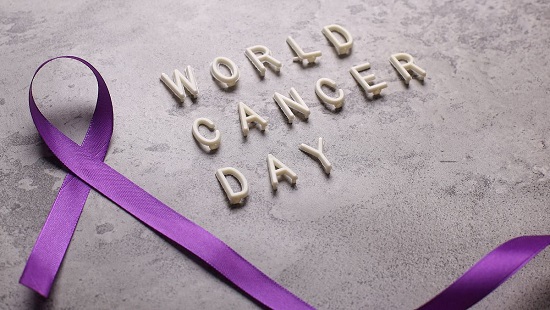
As India observes World Cancer Day on February 4, the national conversation around cancer is expanding beyond hospitals and treatment protocols. The rising cancer burden is increasingly being seen not just as a medical challenge, but as a systemic economic and public health issue—one that affects productivity, household savings, and the sustainability of healthcare infrastructure.
Data trends suggest that without decisive action on prevention and early diagnosis, cancer could become one of India’s most expensive non-communicable diseases over the next decade.
A Steady Rise in Cases Signals Structural Stress
According to the Indian Council of Medical Research (ICMR), India recorded approximately 13.9 lakh new cancer cases in 2020, a number that has climbed to around 15.7 lakh by 2025. While population growth explains part of the increase, experts say the pace of rise points to deeper structural issues.
Cancer today is being diagnosed across wider age groups, including working-age adults, increasing the loss of productive years and amplifying indirect economic costs such as absenteeism, early retirement, and long-term caregiving.
Tobacco, Lifestyle, and Urban Exposure Drive Risk
Medical professionals continue to identify tobacco consumption—both smoking and smokeless—as the single largest preventable risk factor. India reports over 1.4 lakh new oral cancer cases annually, making it one of the most common cancers in the country.
Breast cancer, with nearly 1.8 lakh new cases each year, reflects the growing role of lifestyle changes, delayed diagnosis, and urban stressors. Pollution, poor dietary habits, sedentary lifestyles, obesity, alcohol use, and chronic stress are increasingly linked to cancer incidence across urban and semi-urban India.
Doctors warn that these factors are now deeply embedded in daily life, making cancer prevention as much a social challenge as a medical one.
Late Diagnosis: The Costliest Failure
Despite advances in oncology, late-stage diagnosis remains the norm for a large proportion of Indian patients. While technologies such as precision oncology, robotic surgery, immunotherapy, and advanced radiotherapy are now available at leading centres, their benefits are often blunted by delayed detection.
Early-stage cancers are significantly cheaper to treat and have far higher survival rates. In contrast, advanced-stage treatment requires prolonged hospitalisation, complex interventions, and long-term follow-up—placing severe financial stress on families and public hospitals alike.
Major Centres Under Growing Pressure
India’s premier cancer institutions are already feeling the strain. The Tata Memorial Centre, the country’s largest cancer care network, treats over 1.25 lakh new patients annually across its branches. Mumbai alone accounts for nearly 80,000 new cases each year, along with more than 6.5 lakh follow-up visits.
This concentration of cases highlights both rising demand and the uneven distribution of cancer care infrastructure across the country.
Mortality Rising Faster Than Detection
Perhaps most concerning is the trend in cancer-related deaths. Annual mortality has increased from around 6.8 lakh in 2015 to nearly 8.7 lakh in 2024, growing faster than new diagnoses. Experts interpret this as evidence of gaps in early detection, access, and timely treatment—particularly in low- and middle-income populations.
An Ageing India Faces a Bigger Cancer Load
India’s demographic shift will further intensify the challenge. As life expectancy rises, the proportion of elderly cancer patients is expected to grow sharply over the next two decades. This will increase demand for long-term treatment, survivorship care, and palliative services—areas where India remains underprepared.
Screening: The Most Underused Solution
Medical experts repeatedly emphasise that screening remains the most cost-effective cancer intervention. Organised screening for oral, breast, cervical, and colorectal cancers has demonstrated significant reductions in mortality when implemented at scale.
Community-based initiatives, mobile screening units, and workplace health programmes have already shown success in identifying high-risk and pre-cancerous conditions early—often before symptoms appear.
‘United by Unique’: A Call for System-Level Reform
The World Cancer Day 2026 theme, ‘United by Unique’, underscores a critical truth: while each cancer journey is personal, solutions must be collective. Awareness campaigns alone are no longer sufficient. What India needs is stronger integration of prevention, screening, early diagnosis, and affordable treatment into its primary healthcare framework.
As cancer steadily moves from a medical issue to a national development challenge, policymakers face a clear choice—invest early in prevention and detection, or pay a far higher price in lives lost, productivity eroded, and healthcare systems overwhelmed.