
- By Bhawana
- 05 Feb 2026
Mumbai’s Oldest Buildings Face a Safety Reset: MHADA Begins Large-Scale Structural Audit Drive
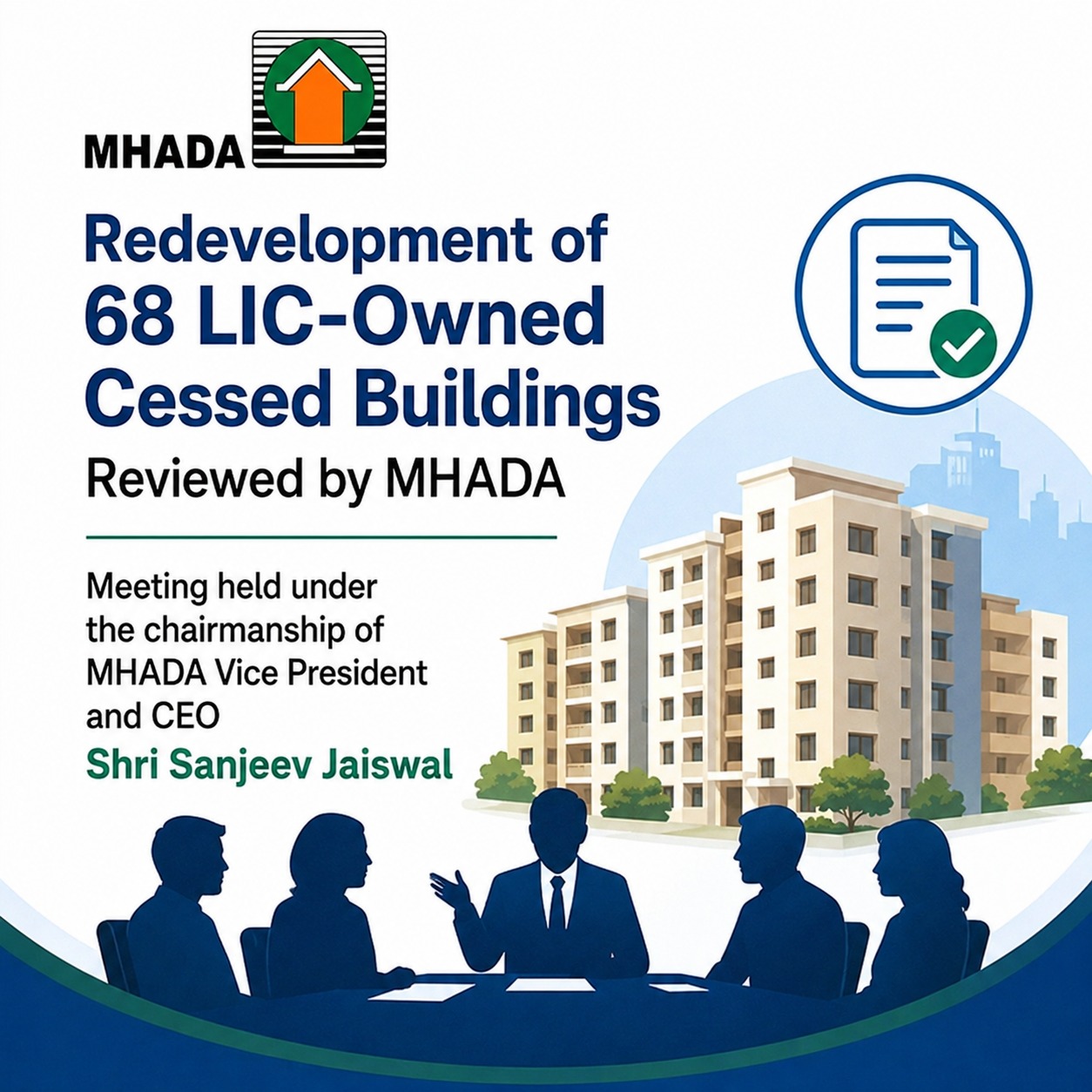
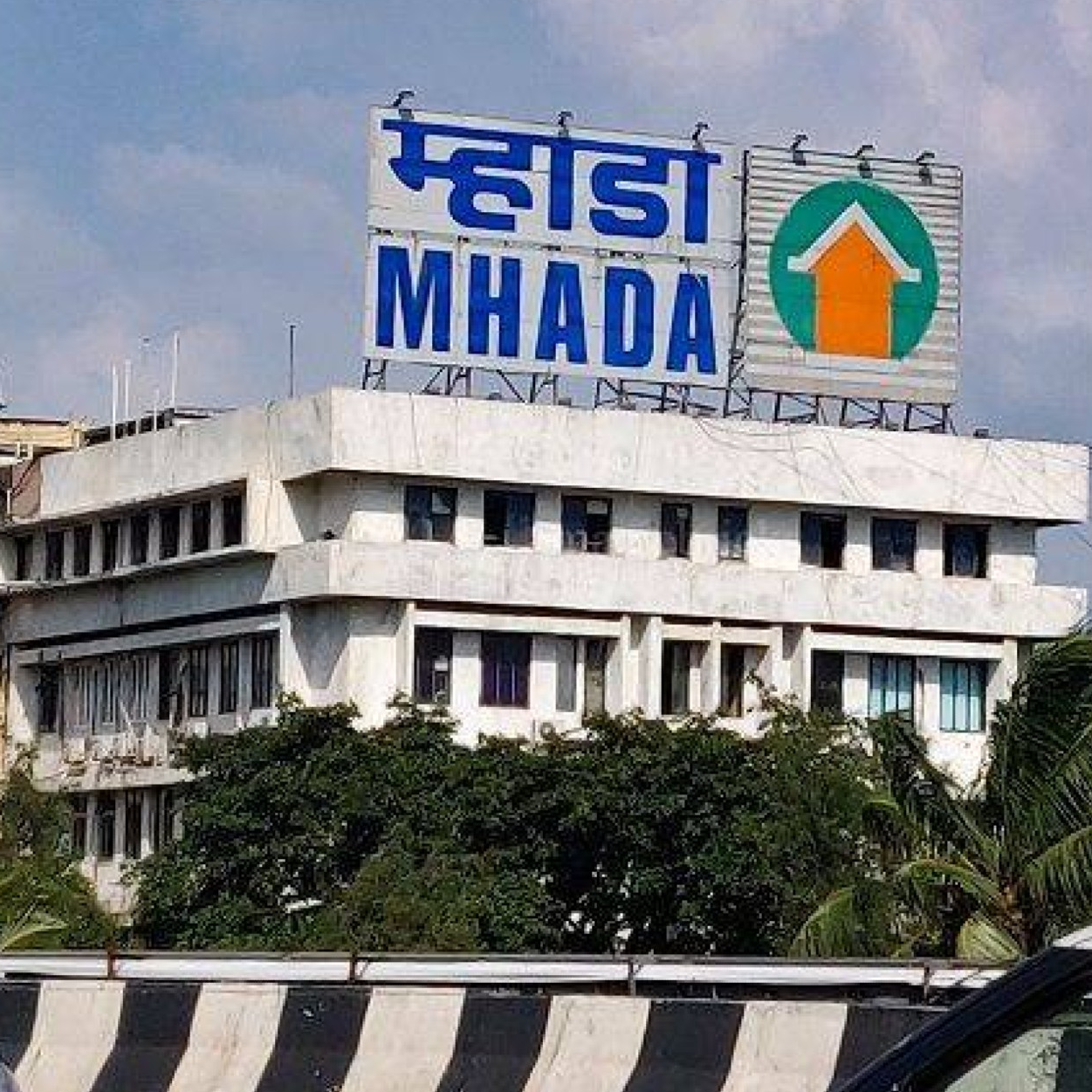
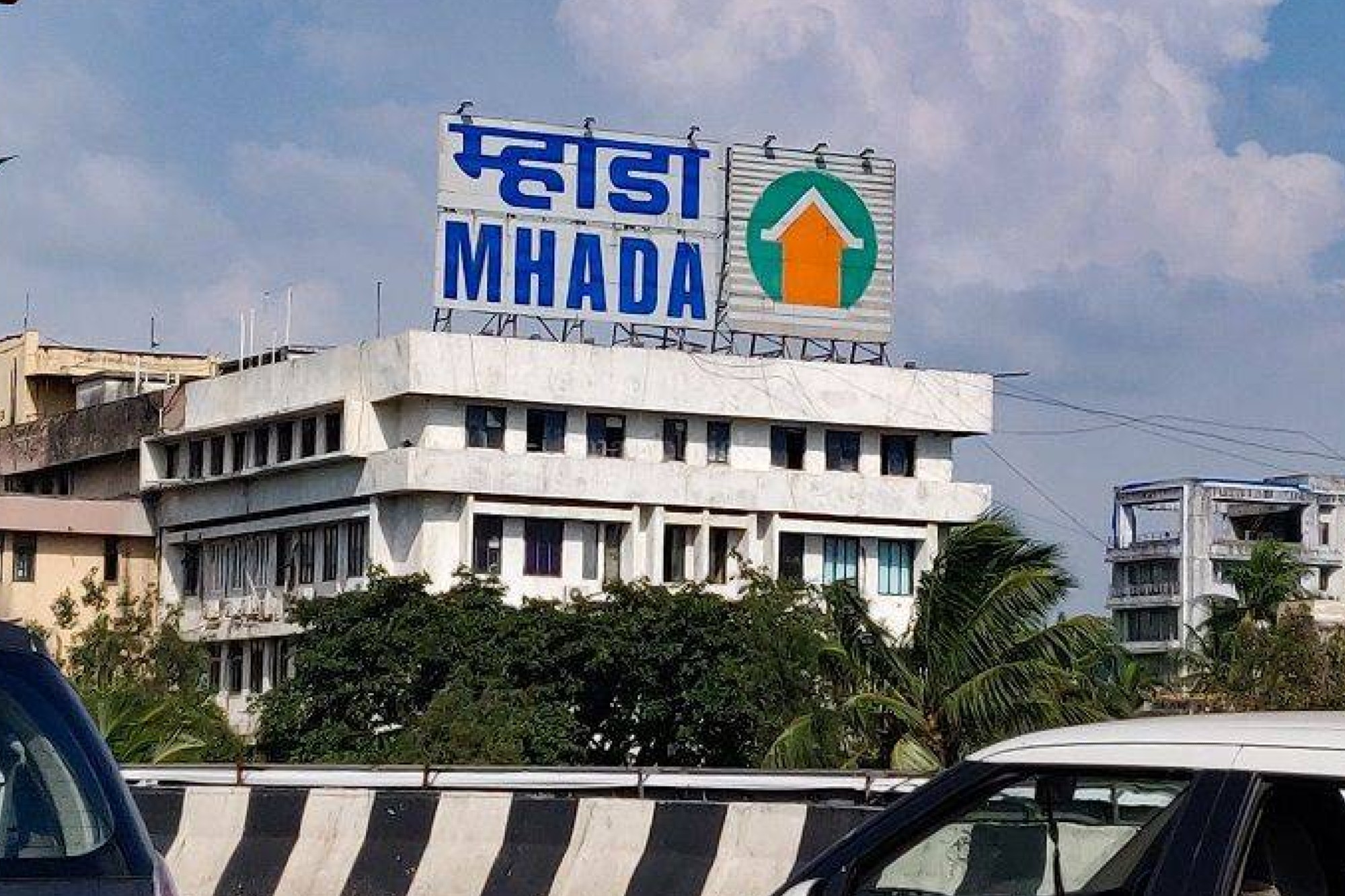
Mumbai’s housing challenge is not just about affordability, but also about safety. Under the leadership of IAS Sanjeev Jaiswal, the Maharashtra Housing and Area Development Authority (MHADA) has initiated one of its most consequential safety exercises in recent years: a comprehensive structural audit of over 12,000 cessed buildings across South Mumbai.
This move signals a shift from reactive responses to a more data-driven, preventive approach toward urban housing risk management.
Why cessed buildings matter
Cessed buildings form the backbone of Mumbai’s oldest residential stock. Many of these structures are over 80 to 100 years old and fall under the jurisdiction of MHADA’s Mumbai Building Repairs and Reconstruction Board. Over time, exposure to heavy monsoons, inadequate maintenance, and dense occupancy have significantly weakened these buildings.
Out of approximately 25,000 cessed buildings in Mumbai, more than 12,000 are located in South Mumbai alone. A substantial number of them show visible signs of structural distress, raising serious concerns about resident safety.
From visual checks to scientific audits
Traditionally, many buildings were assessed through visual inspections. While useful, this method often failed to capture deeper structural vulnerabilities. MHADA’s latest initiative replaces assumption with evidence.
Four independent private agencies will be appointed through a tender process to carry out detailed structural audits. These agencies will evaluate load-bearing capacity, material degradation, and overall structural integrity using engineering benchmarks rather than surface-level observations.
The audits will be carried out in phases. The first phase covers around 1,000 buildings, of which nearly 600 audits have already been completed. The remaining buildings will be assessed systematically over the coming year.
Clear outcomes, not open-ended studies
Each building will be categorised based on audit findings. Structures may be declared safe with repairs, dangerous, or extremely dangerous. This classification is crucial because it directly determines the next steps, whether it is immediate repair, evacuation, or redevelopment.
Such clarity reduces ambiguity for residents and policymakers alike. Instead of prolonged uncertainty, decisions can be taken based on verified data.
Safety as urban policy, not emergency response
Mumbai has witnessed several incidents in recent years where ageing buildings collapsed with little warning, particularly during the monsoon. These events underline the cost of delayed action.
MHADA’s current approach reframes safety as an urban policy issue rather than an emergency reaction. Identifying risk well before failure allows authorities to plan repairs, allocate funds, and guide redevelopment in an orderly manner.
This also strengthens coordination with municipal agencies, emergency services, and redevelopment stakeholders.
Redevelopment with accountability
Structural audits also support faster and more transparent redevelopment. Once a building is officially declared unsafe, legal and administrative hurdles are reduced. Tenants receive clarity, developers gain predictability, and MHADA can enforce timelines more effectively.
Importantly, residents are advised to rely only on official MHADA communications and notifications published on mhada.gov.in. Misinformation around redevelopment often creates fear and delays, something MHADA has repeatedly cautioned against.
A larger signal for Mumbai’s housing future
This audit drive is not just about identifying weak buildings. It reflects a broader shift in MHADA’s functioning toward accountability, data-backed decision-making, and resident-centric planning.
With Mumbai’s housing stock ageing rapidly, such interventions will increasingly define the city’s ability to balance heritage, density, and safety.
Conclusion
By undertaking a structured audit of 12,000 cessed buildings, MHADA is addressing one of Mumbai’s most critical urban risks with clarity and intent. The initiative strengthens public safety, accelerates redevelopment, and restores confidence in institutional housing governance.
For residents, the message is clear: safety comes first, and verified information through MHADA’s official channels remains the most reliable guide through this transition.