
- By Shyam Singh
- 08 Jul 2026
Mumbai Unveils ₹10,000 Crore Flood Control Plan: BMC, IIT Bombay Join Hands to Tackle Waterlogging Across 350 Hotspots
Mumbai is preparing one of its biggest flood-prevention projects ever. The Brihanmumbai Municipal Corporation (BMC) has announced plans for a ₹10,000 crore flood-mitigation program aimed at reducing waterlogging across the city. The civic body is working with IIT Bombay to prepare a detailed plan that will be submitted to the National Disaster Relief Fund (NDRF) for financial assistance.
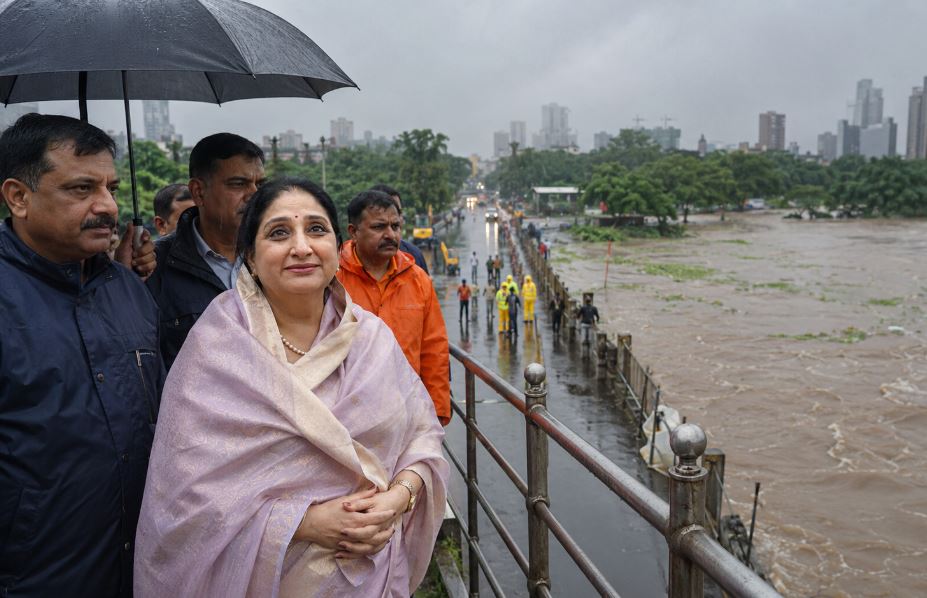
The ambitious proposal comes after repeated heavy rainfall disrupted transportation, flooded roads, and affected daily life in several parts of Mumbai. City officials believe that a long-term infrastructure upgrade is necessary as climate change continues to increase the frequency of extreme rainfall events.
BMC and IIT Bombay Prepare Long-Term Flood Protection Strategy
The BMC has appointed IIT Bombay to prepare a Detailed Project Report (DPR) for the proposed flood-mitigation project. The report will outline engineering solutions, estimated costs, and implementation strategies before being submitted to the Central Government for funding.
The proposed project is expected to modernize Mumbai's flood-control infrastructure instead of relying only on annual desilting operations.
According to civic officials, the project will focus on permanent solutions that improve the city's ability to manage heavy rainfall and high tides.
Around 350 Waterlogging Hotspots Identified Across Mumbai
One of the biggest goals of the project is to permanently reduce flooding in nearly 300 to 350 locations that experience waterlogging almost every monsoon.
The proposal includes several major infrastructure upgrades, including:
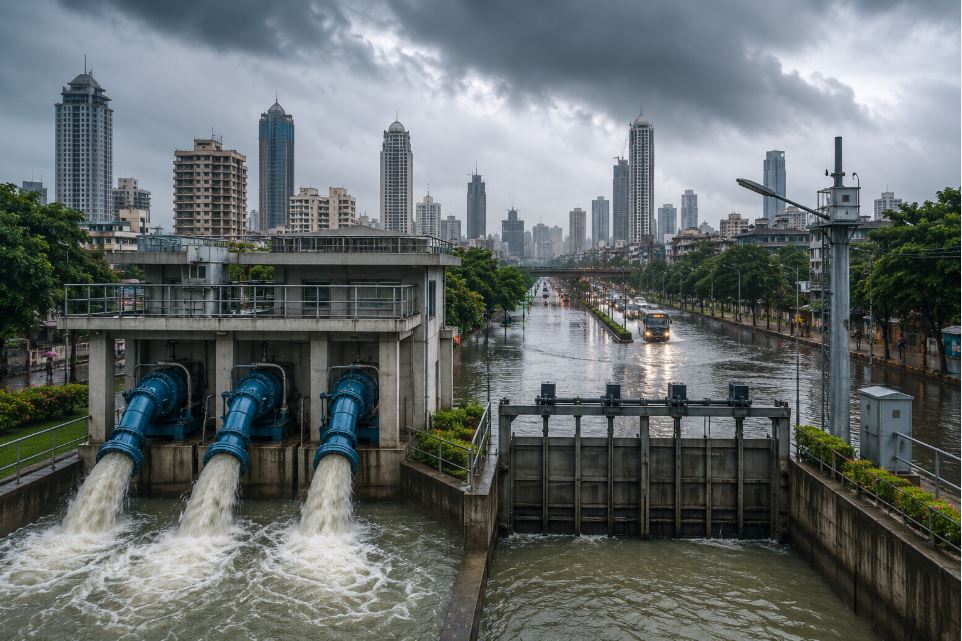
- Construction of new flood-control pumping stations
- Completion of the pending pumping stations at Mogra and Mahul
- Expansion of existing pumping station capacity
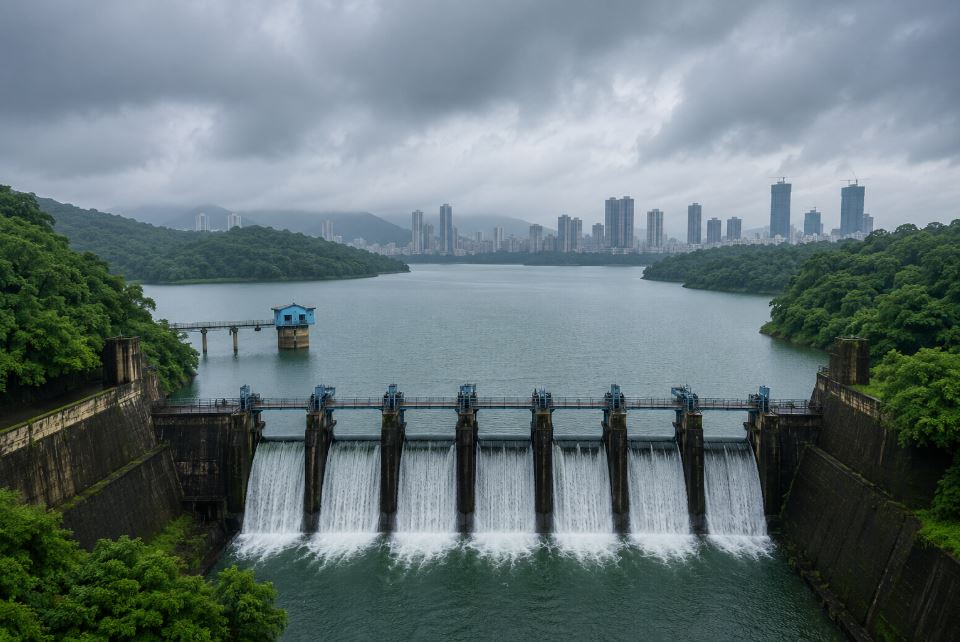
- Installation of automated floodgates
- Strengthening and modernization of Mumbai's stormwater drainage network
- Better floodwater management during heavy rain and high tides
Officials believe these improvements will significantly reduce flooding in many vulnerable neighborhoods.
Why Mumbai Continues to Face Severe Flooding
Speaking about the city's recurring flooding, Municipal Commissioner Ashwini Bhide explained that certain weather conditions make waterlogging difficult to avoid.
She noted that when nearly 300 mm of rainfall falls within a short period while a 4.5-meter high tide occurs simultaneously, draining rainwater becomes extremely challenging.
Mumbai's geography also increases flood risk. The city is surrounded by the sea on three sides, and many developed areas are built on reclaimed land, making natural drainage more difficult during intense rainfall.
Experts have also pointed out that climate change has increased the intensity of short-duration rainfall events in major coastal cities, requiring stronger urban flood-management systems.
Annual Desilting Alone Is No Longer Enough
For many years, desilting drains before the monsoon has been one of the BMC's primary flood-prevention measures.
However, officials now acknowledge that maintenance alone cannot fully address today's rainfall patterns.
The proposed ₹10,000 crore project represents a shift toward long-term infrastructure investment by expanding drainage capacity, improving pumping systems, and introducing modern flood-control technology that can respond more effectively during extreme weather.
Urban planners have increasingly recommended integrated flood-management systems that combine engineering upgrades with better planning and climate resilience.
NDRF Funding Could Support the Mega Infrastructure Project
Since the estimated project cost is around ₹10,000 crore, the BMC plans to seek financial support from the National Disaster Relief Fund (NDRF).
The Detailed Project Report being prepared by IIT Bombay will play a key role in securing approval and funding from the Central Government.
If approved, the project could become one of the largest urban flood-management initiatives undertaken in Mumbai in recent years.
Citizens Asked to Help Prevent Flooding
Along with infrastructure improvements, civic authorities are urging residents to support flood-prevention efforts by keeping rivers, drains, and nullahs free from garbage.
Officials warned that plastic waste and floating debris reduce the carrying capacity of waterways, causing faster overflow during heavy rainfall.
Residents have been advised to avoid dumping household waste into drains and water channels, especially during the monsoon season.
Focus on Building a More Climate-Resilient Mumbai
The proposed flood-mitigation plan reflects Mumbai's growing focus on preparing for more frequent extreme weather events. By combining scientific expertise from IIT Bombay with major investments in drainage infrastructure, pumping stations, and automated flood-control systems, the BMC hopes to improve the city's resilience against future flooding.
If the proposal receives NDRF approval, Mumbai could see significant upgrades to its flood-management network over the coming years, helping reduce disruption for residents, businesses, and public transportation during the monsoon season.