
- By Diya Sogani
- 05 Jun 2026
Mumbai Weather Update: Cleaner Air, Cloudy Skies And Rain Forecast Bring Relief, But Pollution Hotspots Remain A Concern
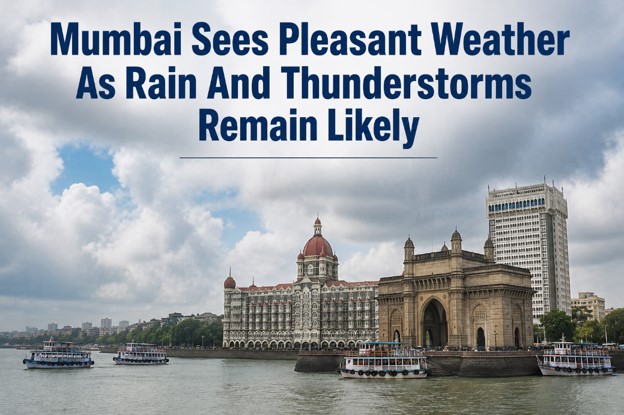
Mumbai Sees Pleasant Weather As Rain And Thunderstorms Remain Likely
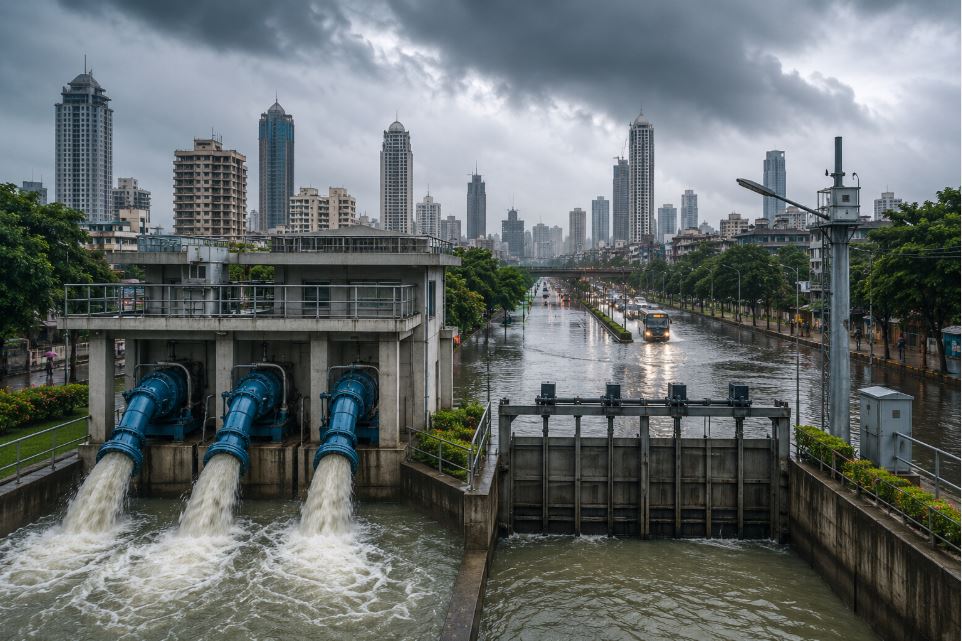
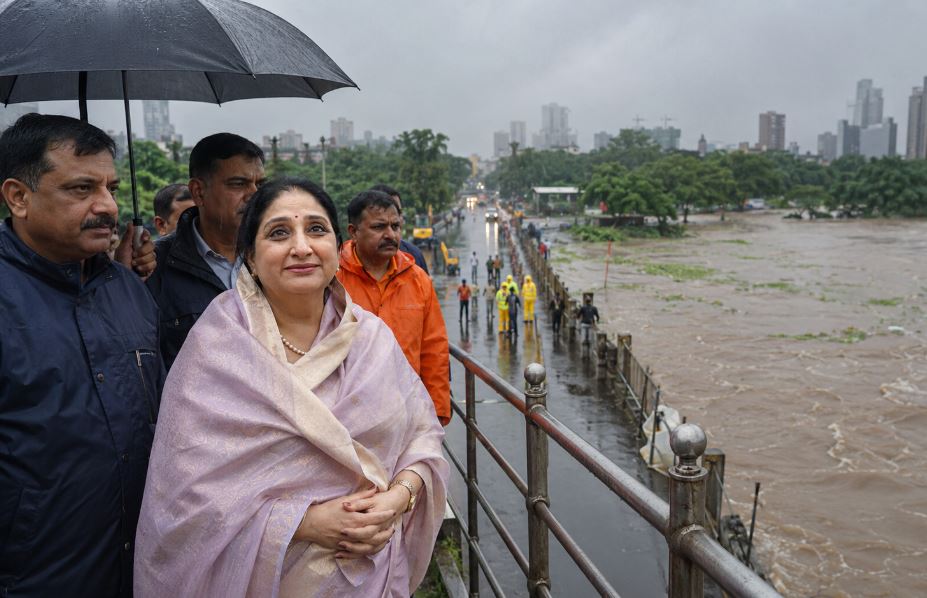
Mumbai woke up to partly cloudy skies and better air quality on Friday, giving residents some relief from the recent heat and humidity. The city’s overall Air Quality Index was reported at 38 in the “good” category in the early hours, while the weather remained favorable for light rain and thunderstorms through the day.
According to the latest forecast, Mumbai is expected to see intermittent clouds during the evening, with the possibility of thunderstorms later in the day. Temperatures are likely to remain warm, with daytime levels hovering in the low to mid-30s Celsius range.
IMD Forecast: Cloudy Sky, Rain And Thundershowers Expected In Mumbai
The India Meteorological Department had earlier forecast partly cloudy conditions with one or two spells of rain or thundershowers for Mumbai. Recent forecasts for the city and neighboring areas have also pointed to thunderstorms, lightning, light to moderate rainfall and gusty winds in isolated places.
The weather change comes after several days of hot and humid conditions across Mumbai, Thane and Palghar. Cloud cover and pre-monsoon showers have helped bring down the discomfort level, especially during the morning and evening hours.
Southwest Monsoon Reaches Kerala, Mumbai Waits For Rain Activity To Increase
The improved weather conditions come at a time when the southwest monsoon has reached Kerala. The monsoon reached the southern state on June 4, 2026, three days later than the normal onset date, according to the India Meteorological Department.
The arrival of the monsoon in Kerala usually raises expectations of increased rainfall activity along the western coast in the coming days. For Mumbai and the Mumbai Metropolitan Region, this means the city may continue to see cloudy skies, pre-monsoon showers and occasional thunderstorms before the full monsoon pattern sets in.
Mumbai Air Quality Improves, Overall AQI Remains In Good Category
Mumbai’s overall AQI stood at 38 in the morning, placing it in the “good” category as per the figures provided. Several areas reported very clean air, especially in south and western Mumbai.
Andheri recorded an AQI of 5, while Gamdevi stood at 8. Parel Bhoiwada reported 18, and both Malad West and Prabhadevi recorded an AQI of 20. These readings indicate a clear improvement in air quality across many parts of the city.
The improvement is being linked to favorable weather, cloud cover and civic measures against dust pollution. The BMC has also been taking action against construction sites for violating air pollution control norms. Earlier this year, Maharashtra officials said more than 1,000 construction sites in Mumbai had received stop-work notices for environmental norm violations.
Wadala, Chandivali And Powai Continue To Show Pollution Stress
Despite the citywide improvement, air quality remained uneven across Mumbai. Wadala recorded the highest AQI at 327, making it one of the most polluted pockets of the city. Under the Central Pollution Control Board’s AQI classification, readings between 301 and 400 fall in the “very poor” category.
Chandivali also recorded poor air quality with an AQI of 280, while Powai reported 163. Vikhroli East and Bhandup were relatively better, with AQI readings of 55 and 52 respectively.
These local variations show that Mumbai’s air quality cannot be judged only by the citywide average. Construction dust, traffic density, road conditions, local wind movement and industrial activity can make one neighborhood much more polluted than another on the same day.
BMC Crackdown On Construction Dust May Be Helping
Mumbai’s cleaner air comes after months of stricter civic action against dust pollution. The BMC has inspected construction sites, issued notices and pushed developers to follow pollution-control rules. Reports earlier this year said several active construction sites had been asked to install air quality sensors, while non-compliant projects faced stop-work action.
This matters because construction dust is one of the most visible contributors to local air pollution in Mumbai. Even when the overall AQI improves because of wind or rain, construction-heavy areas can continue to report higher pollution levels.
What AQI Categories Mean For Citizens
The Central Pollution Control Board classifies AQI from 0 to 50 as “good”, 51 to 100 as “satisfactory”, 101 to 200 as “moderately polluted”, 201 to 300 as “poor”, 301 to 400 as “very poor”, and 401 to 500 as “severe”.
For citizens, this means areas with low AQI are safer for outdoor movement, while areas with high AQI can cause discomfort, especially for children, senior citizens and people with asthma, lung disease or heart conditions.
Mumbai Weather And Air Quality Outlook
Friday’s weather brought a welcome break for Mumbai. Cloudy skies, possible rain and cleaner air made conditions more comfortable across several parts of the city. However, the sharp difference between areas like Andheri and Wadala shows that local pollution hotspots remain a serious concern.
As monsoon activity increases, Mumbai may see temporary improvement in air quality because rain helps settle dust and pollutants. But long-term improvement will depend on stricter construction rules, better road dust control, cleaner transport and consistent monitoring.
For now, Mumbaikars can expect a cloudy and humid day, with rain or thunderstorms likely in parts of the city.