
- By Mahesh
- 20 Jan 2026
Mumbai Masala: Time for a Garbage-Free City and a Reality Check
Mumbai Masala: Time for a Garbage-Free City and a Reality Check
Mumbai prides itself on being India’s financial capital, but in recent times, the city seems to be struggling with some very basic civic issues. From overflowing garbage to questionable food experiences and unusual political drama, the city’s daily stories reflect a pressing need for accountability and civic responsibility.
Garbage Everywhere: A Wake-Up Call for New Corporators
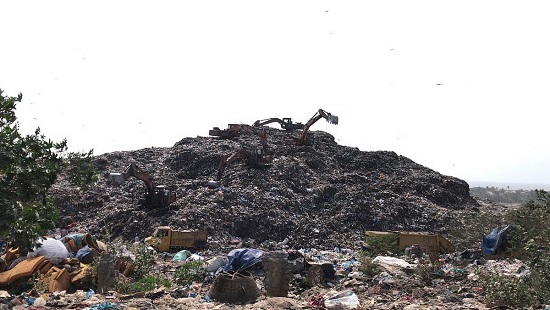
One of the most urgent tasks for Mumbai’s newly-elected corporators should be to make the city clean and garbage-free. A recent visit to parts of Andheri revealed an alarming sight—piles of garbage lining the streets, giving the impression that municipal sweepers were nowhere to be seen.
Several years ago, a civic activist had proposed an innovative solution: a “garbage brigade”, similar to the fire brigade. The idea was simple—citizens could dial a dedicated helpline, and garbage trucks would be dispatched to clear large waste piles immediately. The concept still holds promise, especially in high-density areas.
However, cleanliness cannot be the responsibility of the authorities alone. Civic sense among citizens is equally important. People who litter must face strict penalties. Putting Mumbai on a city-wide cleanliness mission, similar to national sanitation drives, could help restore pride in public spaces. The long-term goal should be nothing less than competing for the cleanest city award.
Revival Revisited: Great View, Mixed Experience
In a lighter moment, a visit to Revival, the iconic vegetarian restaurant at Girgaum Chowpatty founded in 1947, turned out to be a mixed experience. Located on the first floor and offering a stunning view of the Arabian Sea, the restaurant carries nostalgia—but time has not been entirely kind to it.
The interiors feel outdated and could benefit from a makeover, although the staff remains polite and welcoming. The menu offers interesting options like broccoli shorba and avocado sev puri. However, sticking to the basics proved wiser.
The chole ki sabzi stood out for its taste, while the dal makhani was satisfying. Unfortunately, the presentation left much to be desired, with dishes served in worn-out aluminium containers. The laccha paratha, undercooked and disappointing, further reduced the overall value for money. At an average of ₹500 per dish, expectations were higher. Nearby options like Crystal or Thakker’s might have been better choices.
‘Rasmalai’ Politics: When Sweets Enter Election Drama
Politics, as always, added its own flavour to Mumbai’s chatter. Political observers claim that remarks made by Raj Thackeray, particularly calling Tamil Nadu BJP leader K. Annamalai “rasmalai”, may have contributed to the defeat of the SS(UBT)-MNS alliance.
While this theory seems exaggerated—given Annamalai’s limited recognition outside Tamil Nadu—it did reopen memories of old political rhetoric targeting South Indians. Interestingly, BJP candidates reportedly won in areas where Annamalai campaigned actively.
Adding a humorous twist, BJP leader Tejinder Singh Bagga sent boxes of rasmalai to Raj Thackeray after the results, calling it a “sweet revenge.” Social media even claimed that rasmalai sales worth ₹10 crore took place on result day. Annamalai is now expected to be a special invitee at BJP’s grand victory rally.
The Bigger Picture
Whether it is garbage management, dining standards, or political symbolism, Mumbai’s daily stories reflect the need for better governance, civic responsibility, and thoughtful public discourse. The city deserves cleaner streets, better services, and politics that focuses more on development than drama.