
- By Shyam Singh
- 15 Dec 2025
MMRDA Lays Out Long-Term Vision for Transforming Mumbai Metropolitan Region
Mumbai:
The Mumbai Metropolitan Region (MMR) is set to undergo a sweeping transformation over the next two decades, driven by an ambitious infrastructure and mobility roadmap led by the Mumbai Metropolitan Region Development Authority (MMRDA). With a focus on inclusive growth, modern transport systems, and balanced regional development, the plan aims to reshape one of India’s fastest-growing urban regions into a globally competitive and equitable metropolitan area.
At the heart of this vision is a massive infrastructure push backed by an estimated investment pipeline of $100 billion. The programme is aligned with the long-term development framework of Viksit MMR 2047, which seeks to ensure that growth benefits not just the urban core but also suburban and peripheral areas across the region.
Infrastructure as the Backbone of Growth
MMRDA’s strategy places infrastructure at the centre of economic and social development. The authority is investing heavily in transport networks, urban connectivity, and economic corridors to support future population growth while improving the quality of life for residents.
Speaking at a recent national-level financial summit, Metropolitan Commissioner Dr Sanjay Mukherjee outlined how the region’s next phase of development will prioritise public good, equity, and sustainability. He emphasised that the goal is not just to expand physical infrastructure, but to create systems that are accessible, resilient, and capable of supporting long-term economic activity.
Metro Network to Drive Mobility Shift
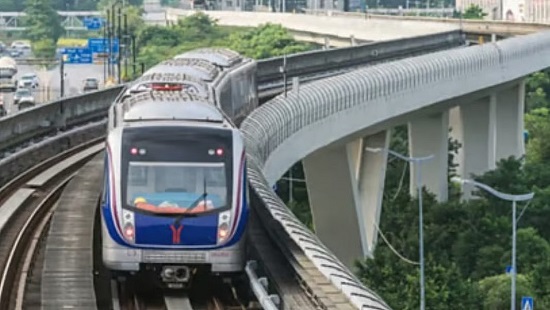
One of the most significant components of the transformation is the large-scale expansion of the Mumbai Metro network. Once completed, the metro system is expected to span 337 kilometres, making it one of the most extensive urban rail networks in the country.
The expanded metro network is designed to offer affordable and environmentally friendly mobility options while significantly reducing travel time across the region. By connecting suburban areas, satellite towns, and emerging growth hubs, the metro is expected to reduce dependence on private vehicles and ease pressure on existing road and rail infrastructure.
MMRDA officials believe that seamless regional connectivity will play a critical role in supporting economic decentralisation and improving access to jobs, education, and services.
Ring Roads and Emerging Corridors
In parallel with metro expansion, MMRDA is developing a comprehensive ring road system to improve road connectivity across the MMR. These corridors are expected to link South Mumbai with areas such as Thane, Virar, Palghar, and Navi Mumbai, enabling smoother movement of people and goods.
Major infrastructure projects are already opening up new development zones beyond the traditional city limits. Improved connectivity is expected to boost logistics, housing development, and industrial activity, while also easing congestion in the city’s core areas.
These transport corridors are being planned to support long-term urban expansion and reduce the pressure on Mumbai’s existing infrastructure.
Towards Mumbai 3.0
A key concept guiding this transformation is Mumbai 3.0, which represents a shift toward a polycentric urban model. Instead of a single, densely concentrated city, the vision is to develop multiple well-connected centres of economic activity across the region.
This approach aims to distribute growth more evenly, reduce regional disparities, and create new opportunities for employment and investment outside the traditional urban core. Officials say this model will help the MMR adapt to future challenges related to population growth, climate resilience, and infrastructure demand.
Building for the Future
MMRDA’s long-term roadmap reflects a broader shift in urban planning, where infrastructure is viewed not just as a development tool but as a foundation for social equity and economic resilience. By combining large-scale investment with forward-looking planning, the authority aims to ensure that the Mumbai Metropolitan Region remains competitive, liveable, and inclusive over the next several decades.
As projects move from planning to execution, the vision for Viksit MMR 2047 positions the region for a future shaped by world-class transport systems, balanced growth, and improved quality of life for millions of residents.