
- By Bhawana
- 26 Mar 2026
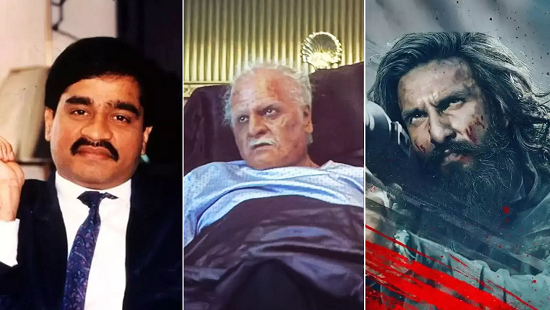
Dhurandhar 2’ Shows Dawood Ibrahim’s Fall: From Mumbai’s Underworld King To A Forgotten Figure In Karachi
Mumbai: The upcoming film Dhurandhar 2 offers a gripping yet restrained portrayal of Dawood Ibrahim, tracing his journey from the bustling underworld of Mumbai to an isolated and weakened existence in Karachi. While the film primarily focuses on an Indian spy narrative, its depiction of Dawood adds a layer of realism rooted in history.
From Mumbai’s Streets To Global Infamy
Dawood Ibrahim’s story began in Mumbai during the 1970s and 1980s—a period marked by the rise of smuggling networks and organized crime. Over time, he built a vast network that extended beyond India, making his name synonymous with fear and influence.
However, Dhurandhar 2 avoids diving deep into this rise. Instead, it uses Mumbai as a symbolic starting point, highlighting how local criminal ecosystems can evolve into international operations.
Portrayal Without Glorification
Unlike many crime dramas that tend to romanticize underworld figures, Dhurandhar 2 takes a different route. The character, played by Danish Iqbal, is shown as frail, bedridden, and physically diminished.
There are no dramatic entries or glorified flashbacks. The film deliberately strips away the aura once associated with Dawood, presenting him as a man overtaken by time and circumstances.
A Shift In Power And Relevance
The narrative subtly suggests that Dawood is no longer the central force he once was. While references to his past connections and influence remain, the film portrays a clear shift—others now operate and lead, while he exists on the margins.
This depiction reflects a broader theme: power structures evolve, and even the most feared individuals can lose their relevance.
A Symbol Of Decline, Not Dominance
By placing Dawood Ibrahim in a weakened state, Dhurandhar 2 reinforces a powerful message—time and consequence eventually catch up with everyone. The film avoids sensationalism and instead focuses on the idea that legacy built on fear is often temporary.
Rather than celebrating his past, the film positions him as a reminder of how influence fades, turning once-dominant figures into echoes of history.