
- By Bhawana
- 02 Jul 2026
BMC Completes 576 Km of Concrete Roads and Builds 681 Soak Pits to Strengthen Mumbai's Pothole-Free Future
Mumbai's ₹17,000-Crore Road Upgrade Combines Stronger Roads With Better Rainwater Management
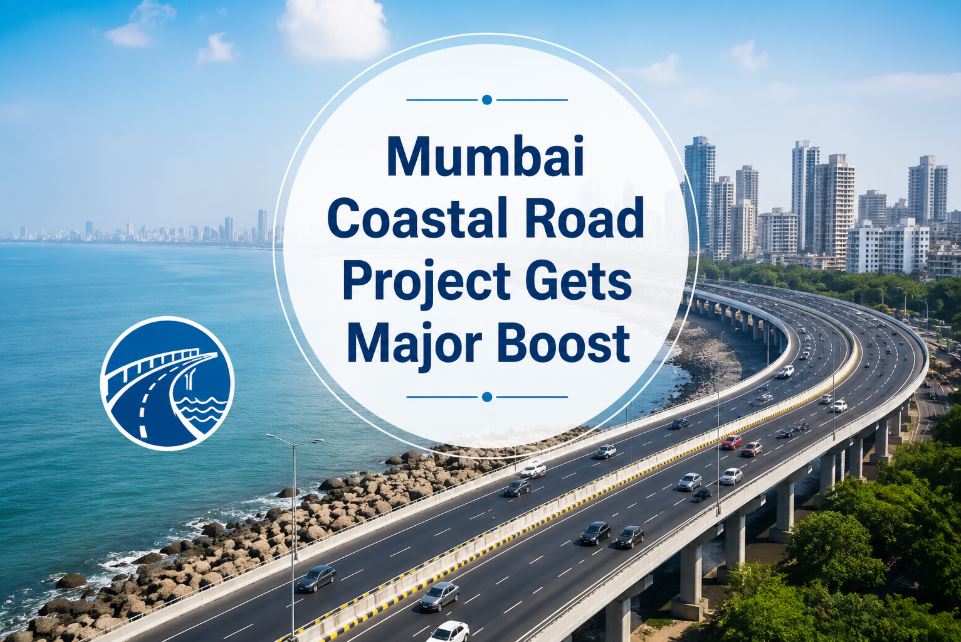
Mumbai is moving closer to its goal of becoming a pothole-free city as the Brihanmumbai Municipal Corporation (BMC) has completed concrete work on 576 kilometers of roads under its massive ₹17,000-crore road improvement program. The project has now reached nearly 81% of its planned 700-kilometer target under the first two phases.
Along with building stronger roads, the civic body has also introduced an important environmental feature by constructing 681 soak pits across Mumbai and its suburbs. These structures are designed to recharge groundwater, improve rainwater absorption, and reduce waterlogging during the monsoon season.
Mumbai's Concrete Road Project Crosses 80% Completion
The BMC launched its citywide road concretization project in January 2023 with the aim of replacing aging asphalt roads with long-lasting cement concrete roads. Officials believe concrete roads offer better durability, require less maintenance, and are more resistant to potholes caused by heavy rainfall.
Out of the planned 700 kilometers of roads under Phases I and II, 576 kilometers have already been completed and opened for public use. The remaining road sections are currently under construction and are expected to further improve travel across Mumbai.
The large-scale infrastructure project is one of the biggest road modernization initiatives undertaken by the BMC in recent years and is focused on improving road quality, reducing repair costs, and providing smoother travel for commuters.
681 Soak Pits Help Reduce Waterlogging and Recharge Groundwater
A key feature of the road upgrade program is the installation of soak pits along newly concretized roads. As of March 2026, the BMC has completed 681 soak pits throughout Mumbai, with additional pits planned along roads that are still under construction.
According to Additional Municipal Commissioner (Projects) Abhijeet Bangar, the soak pits have been integrated into the project to improve stormwater management. The system helps rainwater flow into the ground instead of quickly running into drains, reducing pressure on Mumbai's stormwater drainage network during heavy rainfall.
The initiative also supports groundwater recharge by allowing rainwater to naturally seep into underground aquifers, making the project beneficial for both urban infrastructure and environmental sustainability.
How the Soak Pit System Works
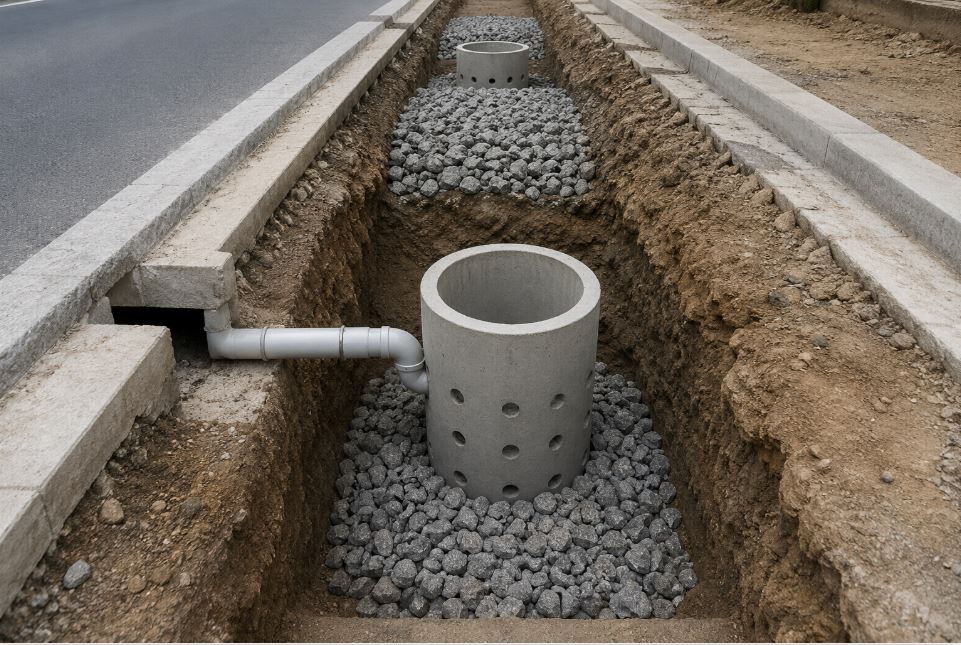
The soak pits are specially designed to capture and filter rainwater before it enters the soil. Most pits measure around one to one-and-a-half meters in width or diameter and extend between 1.5 and 3 meters deep.
Inside each pit, layers of coarse stones, gravel, and sand filter rainwater while allowing it to gradually percolate into the ground. Honeycomb brick masonry or perforated reinforced concrete rings along the walls improve water absorption from the sides.
Rainwater collected through roadside drains is directed into the soak pits using PVC or reinforced concrete pipes equipped with silt traps that help prevent blockages. Each pit is covered with reinforced concrete slabs and inspection chambers for easy maintenance.
The soak pits are generally placed every 400 to 500 meters along the road network to maximize drainage efficiency.
Infrastructure Designed for Long-Term Benefits
The BMC says combining concrete roads with groundwater recharge infrastructure creates a more resilient urban road network. Besides reducing potholes, the integrated design is expected to lower maintenance needs, minimize flooding during heavy rains, and improve the overall lifespan of Mumbai's roads.
With more road stretches and soak pits planned in the coming months, the project continues to support Mumbai's long-term efforts to build safer, stronger, and more climate-resilient urban infrastructure.