
- By Hitesh
- 30 Jun 2026
Mumbai Starts Environmental Clearance for ₹2,395 Crore Madh-Versova Bridge, Travel Time to Drop to 10 Minutes
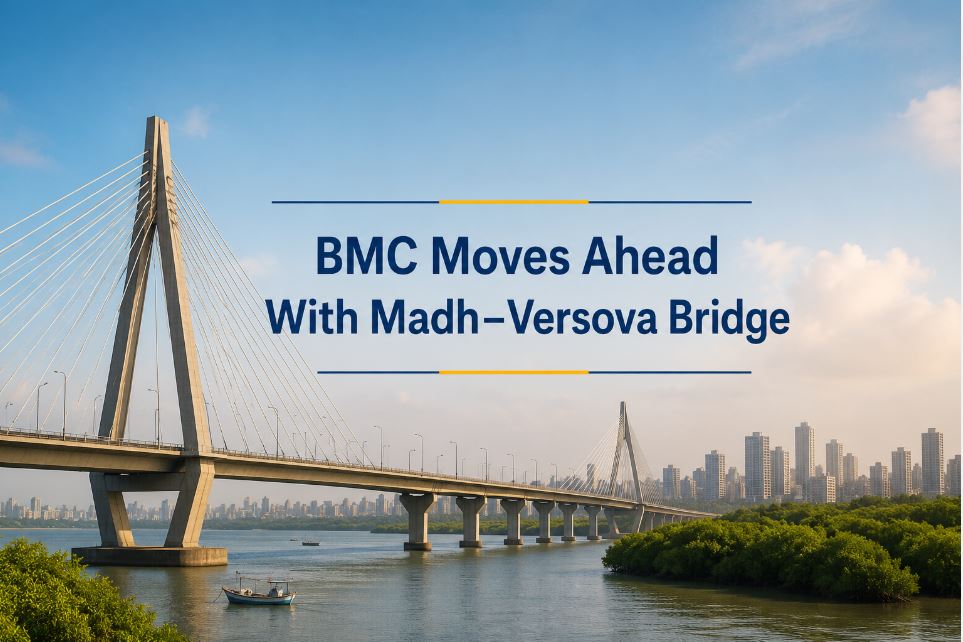
BMC Moves Ahead With Key Approval Process for Mumbai’s Long-Awaited Madh–Versova Bridge
Mumbai is one step closer to getting one of its most important infrastructure projects. The Brihanmumbai Municipal Corporation (BMC) has officially started the environmental clearance process for the proposed ₹2,395 crore (around $280 million) Madh–Versova Bridge, a project that will dramatically improve travel between the city’s western suburbs.
As part of the mandatory approval process, the civic body will deposit ₹12.5 crore with the Chief Conservator of Forests (Mangrove Cell). The amount will be used for mangrove restoration and environmental conservation, which are required before construction can begin.
Bridge Will Cut Travel Time From 90 Minutes to Just 10 Minutes
The proposed Madh–Versova Bridge is expected to transform daily travel by reducing the journey between Madh and Versova from 90 minutes to only 10 minutes. The project will also shorten the travel distance from nearly 20 kilometers to just 2.6 kilometers.
Currently, commuters rely mainly on a ferry service to travel between the two locations. However, ferry operations stop after midnight and are often suspended during the monsoon season, creating major travel challenges for residents and visitors.
Once completed, the new cable-stayed bridge across Versova Creek will provide safe, reliable, and all-weather connectivity throughout the year.
Bridge to Improve Connectivity Across Mumbai’s Western Corridor
The bridge will begin at Madh Jetty Road and end near Fisheries University Road in Versova. It is expected to significantly improve access to important residential and commercial areas, including Madh, Marve, Malad, and Kandivali.
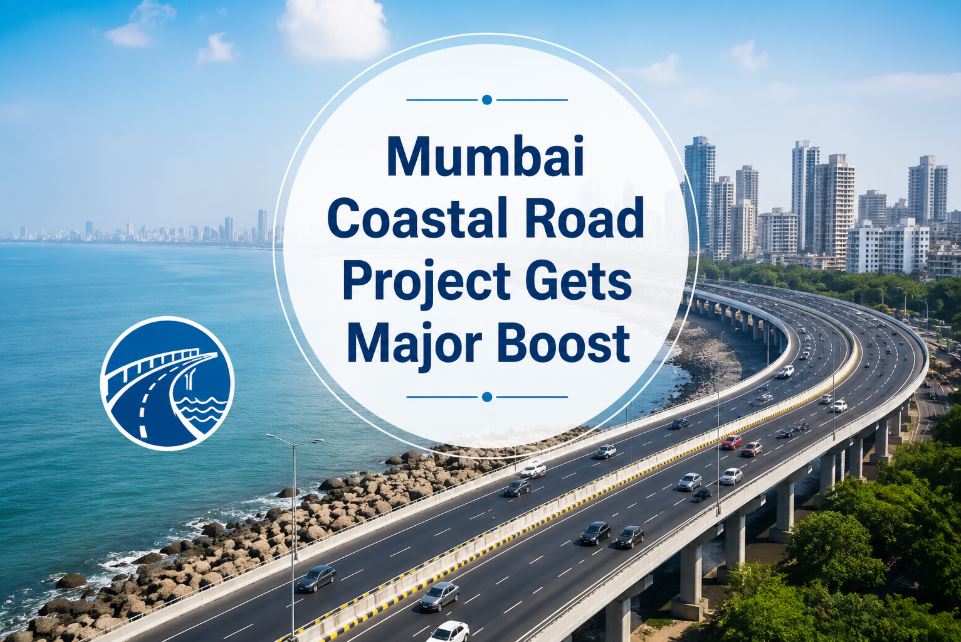
The project will also connect directly with the second phase of the Mumbai Coastal Road, creating a faster transport route toward Dahisar and Bhayandar. This integration is expected to strengthen Mumbai’s western transport network and reduce traffic congestion on existing roads.
BMC Begins Environmental Approval Process
The project has already received in-principle approval from the Union Ministry of Environment, Forest and Climate Change for the diversion of mangrove land. However, several environmental conditions must be fulfilled before construction work can officially begin.
To meet these requirements, the BMC has been directed to prepare a detailed mangrove restoration plan. The civic body will deposit ₹12.5 crore to fund the restoration activities, fulfilling one of the major conditions for environmental approval.
Officials also confirmed that the BMC will approach the Bombay High Court to obtain the final legal clearance needed for the project. Completing these environmental and legal requirements is essential before construction activities can move forward.
Construction Expected to Finish by 2029
The proposed bridge will have a total length of 2,064 meters, including a 600-meter cable-stayed section. The main span will measure 300 meters, supported by 150-meter back spans on both sides.
The project tender was floated in March 2023, while the construction contract was awarded in September 2025. With an estimated investment of ₹2,395 crore, the bridge is scheduled for completion by March 2029.
Project Designed to Balance Development and Environmental Protection
The Madh–Versova Bridge has been part of Mumbai’s long-term infrastructure plans since it was first proposed in the 1967 Development Plan. Because the alignment passes through mangrove areas within the Coastal Regulation Zone (CRZ), the project has undergone multiple environmental reviews.
Earlier, the Maharashtra Coastal Zone Management Authority (MCZMA) asked the BMC to study alternative alignments to reduce ecological impact. After revising the bridge design and incorporating environmental safeguards, the civic body received MCZMA approval in February 2023.
The latest environmental clearance process marks another significant milestone for the project, bringing Mumbai closer to a major transport link that aims to improve connectivity while meeting environmental protection requirements.