
- By Shyam Singh
- 26 Nov 2025
26/11 Mumbai Attack: The Shocking Night That Still Shapes India’s Counter-Terror Strategy
The seventeenth anniversary of the 26/11 Mumbai terror attack is more than a remembrance ritual; it is an annual audit of India’s security preparedness, institutional capacity, and civic resilience. As Maharashtra Chief Minister Devendra Fadnavis, Deputy Chief Minister Ajit Pawar, and senior police officials gathered at the Mumbai Police Commissioner’s Office to pay floral tributes to the martyrs, the symbolism extended far beyond ceremonial protocol. It reflected a nation still learning from one of its darkest nights and continually adapting its governance architecture to a more complex threat environment.
The 2008 attack, carried out by ten highly trained militants from the Pakistan-based Lashkar-e-Taiba, killed 166 people and injured more than 300 across multiple iconic locations. The scale, simultaneity, and meticulous planning exposed vulnerabilities in India’s intelligence systems, coastal security, inter-agency coordination, and urban emergency response. While anniversaries often fade into predictable messaging, the lessons from 26/11 remain structurally relevant for a country navigating new security challenges shaped by technology, geopolitics, and urbanisation.
Human Cost and Emotional Reckoning
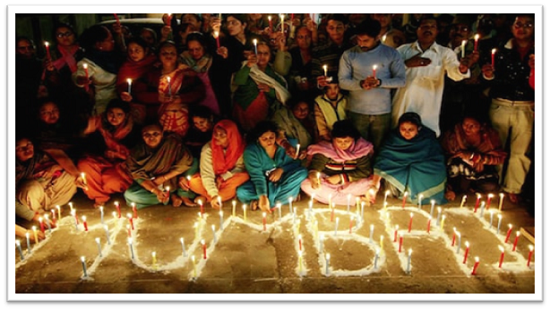
This year’s commemoration saw emotional scenes as families of fallen police officers stood before the martyrs’ memorial, reflecting the human cost behind institutional reform. Their presence reminded the city that courage is not an abstract virtue; it is a lived choice made in real time, often in conditions of overwhelming odds. Mumbai Police personnel from various units marked the day with salutes and moments of silence, reaffirming a professional ethos shaped by sacrifice.
The Turning Point in National Security
If 26/11 was a tragedy, it was also a turning point. India’s security response since 2008 has been a long-term investment in capacity-building rather than a short-term reaction. The establishment of National Security Guard hubs across major metros, the overhaul of coastal surveillance networks, and the integration of intelligence through multi-agency centres represented a strategic shift in operational philosophy.
According to official data, India’s coastal security architecture expanded to more than 200 coastal police stations, hundreds of high-speed patrol boats, and layered maritime radars. These investments aimed to reduce response times and strengthen domain awareness, ensuring that threats are intercepted before reaching urban centres.
Building Urban Counter-Terror Strength
Urban counter-terror preparedness also saw significant upgrades. Quick Response Teams, enhanced weaponry, real-time surveillance systems, and better training protocols have improved Mumbai Police’s readiness to respond within minutes rather than hours. These changes acknowledge that megacities are now frontline theatres of asymmetric conflict, requiring capabilities closer to military precision.
Governance Lessons Beyond the Battlefield
Beyond security infrastructure, the attack reshaped public policy in subtler but equally important ways. It exposed gaps between intelligence gathering and intelligence utilisation, prompting reforms that prioritised coordination over siloed execution. The emergence of the National Investigation Agency as a specialised counter-terror body reflected India’s shift toward more professional, autonomous, and technology-driven investigative frameworks.
The Economic Imperative of Security
The economic implications of 26/11 remain instructive. Mumbai, generating nearly 6 percent of India’s GDP and hosting critical financial institutions, was targeted strategically. The disruption served as a reminder that security lapses carry economic costs that extend far beyond immediate casualties. While Mumbai rebounded swiftly, sustained by its economic rhythm and civic resilience, the attack reinforced the need for robust protection of financial hubs and critical infrastructure.
Balancing Vigilance and Urban Normalcy
A recurring challenge in urban governance is the balance between vigilance and normalcy. Cities flourish on openness, density, and mobility. traits that also make them more vulnerable. Mumbai’s post-attack approach has not been to militarise public spaces but to adopt layered security that protects without paralysing daily activity. This philosophy recognises that a city’s vibrancy is part of its defence mechanism, creating societal cohesion that undermines fear-based disruption.
Evolving Threats in a Changing Geopolitical Landscape
The geopolitical landscape has evolved significantly since 2008. While cross-border terrorism remains a persistent challenge, global scrutiny, diplomatic pressure, and sustained counter-terror operations have constrained large-scale terror planning. However, the threat matrix has diversified. Lone-wolf actors, cyber vulnerabilities, and online radicalisation present a more diffuse and unpredictable environment. The enduring lesson of 26/11 is that security must be dynamic; complacency is the most dangerous adversary.
Resilience as Institutional and Civic Capital
The anniversary of 26/11 underscores a broader truth about nation-building: institutions strengthen through transparent learning, sustained investment, and consistent accountability. Mumbai’s resilience has never been symbolic. It is expressed through citizens who return to work the next day, officers who guard the city through the night, and policymakers who convert crises into frameworks for improvement.
Resilience is not merely the ability to endure; it is the ability to endure while learning.
A Legacy That Demands Reflection and Improvement
As the city observed the seventeenth anniversary, the tribute by state leaders served both as remembrance and reaffirmation. The martyrs of 26/11 represent a fundamental principle of public service: institutions are built on the strength of individuals willing to put duty before self. Their sacrifice catalysed reforms that continue to shape India’s security ecosystem, making the city more prepared than it was in 2008.
Anniversaries can easily drift into ritual, but 26/11 remains too consequential for symbolic remembrance alone. It is a continuing national conversation about preparedness, governance, and the institutional capacity required for a rapidly changing world. For Mumbai. a city defined by resilience, reinvention, and collective memory. the legacy of that night remains a guidepost: never forget, always improve.