
- By Bhawana
- 02 Feb 2026
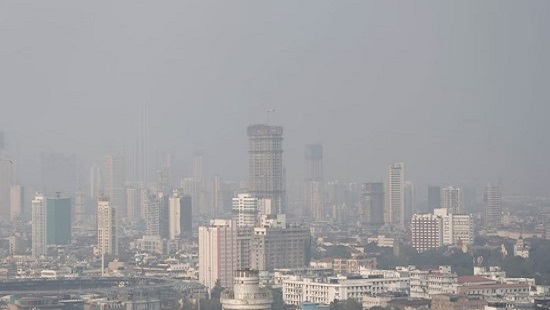
Why Mumbai Recorded Unhealthy Air Quality Levels Even in January
Unusual weather patterns, local pollution sources, and weak dispersion kept AQI high across the city
Mumbai usually gets some relief from air pollution in January. As winter begins to fade, wind patterns reverse and daytime temperatures rise slightly, helping disperse pollutants trapped during colder months. In most years, this seasonal shift leads to better air quality across the city.
However, January this year broke that pattern.
According to data from the Central Pollution Control Board (CPCB), Mumbai recorded moderate to unhealthy Air Quality Index (AQI) levels on 23 days during the month, raising concerns among environmental experts and residents alike. In some locations, such as Deonar, air quality even slipped into the “very poor” category for a day.
Understanding AQI and Why It Matters
The Air Quality Index is a measure used to communicate how polluted the air is and what health effects it may cause. As per CPCB standards:
- 0–50: Good
- 51–100: Satisfactory
- 101–200: Moderate
- 201–300: Poor
- 301–400: Very Poor
- Above 400: Severe
When AQI levels cross 100, sensitive groups such as children, the elderly, and people with respiratory issues begin to feel health impacts. Prolonged exposure to “moderate” and “poor” air can also affect otherwise healthy individuals.
What Went Wrong This January?
One of the main reasons behind Mumbai’s persistently unhealthy air was unfavourable weather conditions. This year, the usual strong reversal of winds was weaker than expected. Without adequate wind movement, pollutants from vehicles, construction sites, and industrial activity remained suspended in the air instead of dispersing.
Additionally, temperature inversion — a condition where warm air traps cooler air close to the ground — occurred on several days. This phenomenon prevents pollutants from rising and spreading out, causing them to accumulate near breathing levels.
Local Pollution Sources Played a Major Role
Weather alone does not explain the problem. Mumbai’s local pollution sources continued to add pressure on air quality throughout the month.
Vehicular emissions remain the city’s biggest contributor, with thousands of cars, buses, and heavy vehicles on the roads daily. Ongoing construction projects across the Mumbai Metropolitan Region generated large amounts of dust, further worsening particulate pollution.
Areas like Deonar, which houses dumping grounds and waste processing facilities, recorded particularly poor air quality. Emissions from waste burning and landfill-related activities added to already high pollution levels in surrounding neighbourhoods.
Why January Was Expected to Be Better
Historically, January marks a transition period for Mumbai’s air quality. The intense winter pollution seen in North India does not usually persist here because coastal winds and humidity help clean the air.
This year’s data suggests that natural cleansing mechanisms were not strong enough to counter the rising emissions from urban activity. As a result, pollution levels stayed elevated for most of the month.
Health and Urban Planning Concerns
Persistently unhealthy AQI levels highlight deeper challenges in Mumbai’s urban planning. High population density, growing vehicle ownership, and continuous infrastructure development are putting pressure on the city’s air.
Health experts warn that repeated exposure to polluted air can lead to respiratory problems, reduced lung function, and long-term cardiovascular risks. The issue is no longer seasonal — it is becoming structural.
The Way Forward
Experts say improving Mumbai’s air quality will require more than relying on seasonal weather changes. Stricter control on construction dust, better waste management, cleaner public transport, and stronger monitoring at pollution hotspots are essential.
January’s data serves as a reminder that air pollution in Mumbai is not just a winter problem. Without sustained action, even months that traditionally offered relief may continue to see unhealthy air.