
- By Medhavini
- 26 Feb 2026
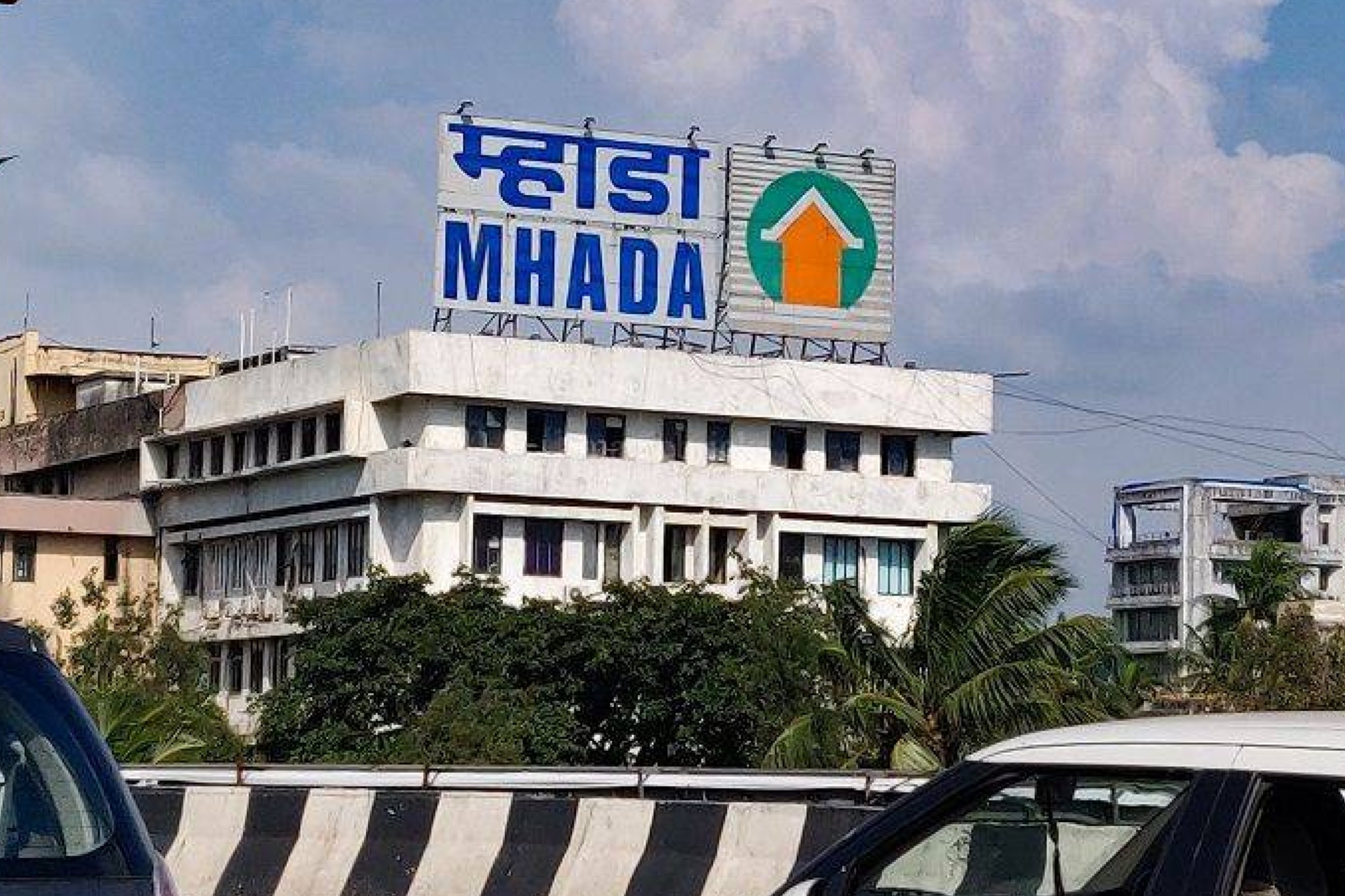
MHADA Approves 13,000 Flats in Mumbai for Sale - Is This the Solution to Mumbai's Housing Crisis?
In an ambitious move to tackle Mumbai's housing affordability crisis, the Maharashtra Housing and Area Development Authority (MHADA), under the leadership of IAS Sanjeev Jaiswal, has approved the sale of 13,000 additional flats. The decision follows a thorough bio-medical survey conducted in June 2025, and these flats are expected to be available for sale from March 2026. This new wave of affordable housing aims to ease the burden on Mumbaikars struggling with the rising cost of homeownership.
The announcement is a significant step towards addressing the housing shortage in Mumbai, one of the world’s most densely populated cities, where the demand for affordable homes has long outstripped supply.
The Roadmap for Providing Affordable Housing in Mumbai
The flats approved for sale will be available in some of Mumbai’s most sought-after regions, providing new opportunities for families who otherwise could not afford to live in these areas. These homes will cater to a range of income groups, with a particular emphasis on economically weaker sections (EWS) and lower-income groups (LIG), who are often the most affected by the city’s skyrocketing real estate prices.
According to the plans, these flats will not only help address the shortage of affordable housing but will also contribute to reducing the urban sprawl that has made Mumbai's real estate market so expensive. With this new initiative, MHADA is looking to create more balanced communities by ensuring that affordable homes are available across key areas in Mumbai, including prime locations in the suburbs.
The Role of Cluster Redevelopment
The flats in question are part of MHADA’s broader housing strategy, which also includes ongoing redevelopment projects. The approach focuses on ensuring that there is a steady supply of housing that meets the growing demand. In addition to these 13,000 flats, MHADA is working on the redevelopment of existing colonies, which will further increase the availability of homes. This long-term strategy aims to meet the city's increasing housing demand while ensuring that residents benefit from planned infrastructure and community services.
MHADA’s commitment to cluster redevelopment has already gained traction with several large-scale projects in progress. These projects aim to integrate affordable housing with planned urban infrastructure, such as parks, schools, and community centers, creating more livable and sustainable urban environments.
How the Bio-Medical Survey Influenced the Decision
The bio-medical survey carried out by MHADA is a pivotal part of this initiative. The survey was designed to assess the condition of existing buildings and identify areas that need immediate attention. This data helped MHADA determine which buildings were most in need of redevelopment and which could be included in the upcoming sale.
By using this data-driven approach, MHADA is making a more informed decision on where to focus redevelopment efforts, ensuring that the city’s housing needs are addressed effectively. This survey is part of a larger, ongoing effort by MHADA to modernize its housing stock and make housing more accessible to a wider range of Mumbaikars.
A Focus on Affordability and Connectivity
In addition to approving these 13,000 flats, MHADA’s efforts are also focused on improving the affordability of housing. Through the recalibration of housing policies, including tax incentives, reduced premiums, and rationalized development charges, MHADA aims to lower the overall cost of purchasing a home. This is a critical factor in making housing more affordable to middle-income groups.
Moreover, the locations for these flats have been carefully selected to ensure that they are well-connected to Mumbai’s growing infrastructure. With new metro corridors, improved road networks, and other public transport developments underway, the flats will not only offer affordable living spaces but also provide easy access to work, education, and essential services. This focus on connectivity is essential to the success of Mumbai’s affordable housing agenda, as it ensures that residents can live in communities with good amenities and infrastructure.
The MHADA Vision: Future Prospects
Under the leadership of IAS Sanjeev Jaiswal, MHADA has made significant strides in addressing Mumbai’s housing challenges. In just the past few years, the organization has delivered thousands of homes to eligible families, with many more in the pipeline. With the approval of the 13,000 additional flats, MHADA is further cementing its position as a key player in solving Mumbai's housing affordability crisis.
Looking ahead, MHADA’s strategic focus on redevelopment, affordability, and connectivity will continue to be a driving force in shaping Mumbai’s urban landscape. By streamlining the housing process, improving the quality of available homes, and ensuring that they are accessible to all income groups, MHADA is creating a more inclusive, sustainable, and affordable Mumbai for future generations.