
- By Rahul
- 10 Feb 2026
MHADA's 15th Lokshahi Day to Enhance Transparency and Accountability: What to Expect from this Game-Changing Initiative
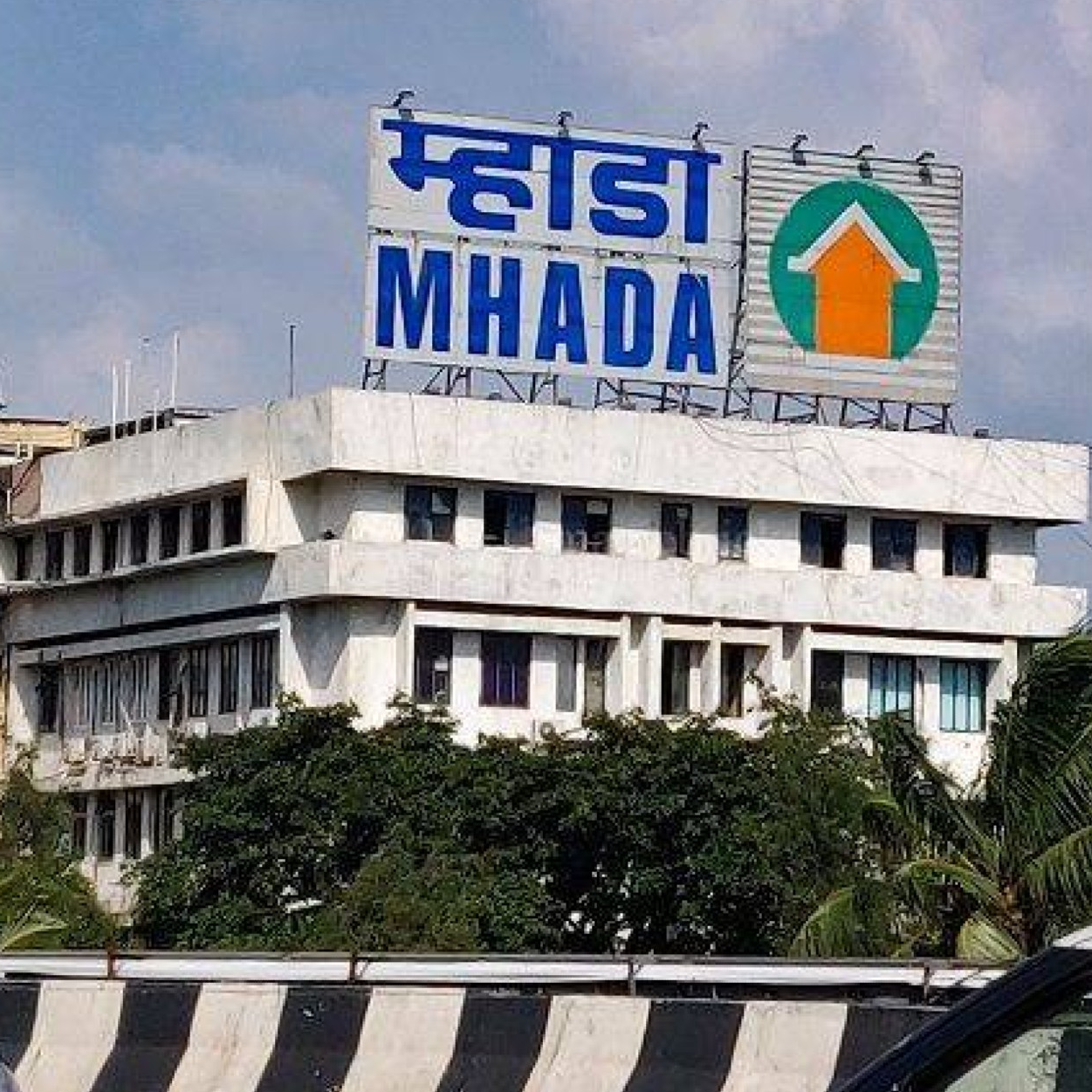
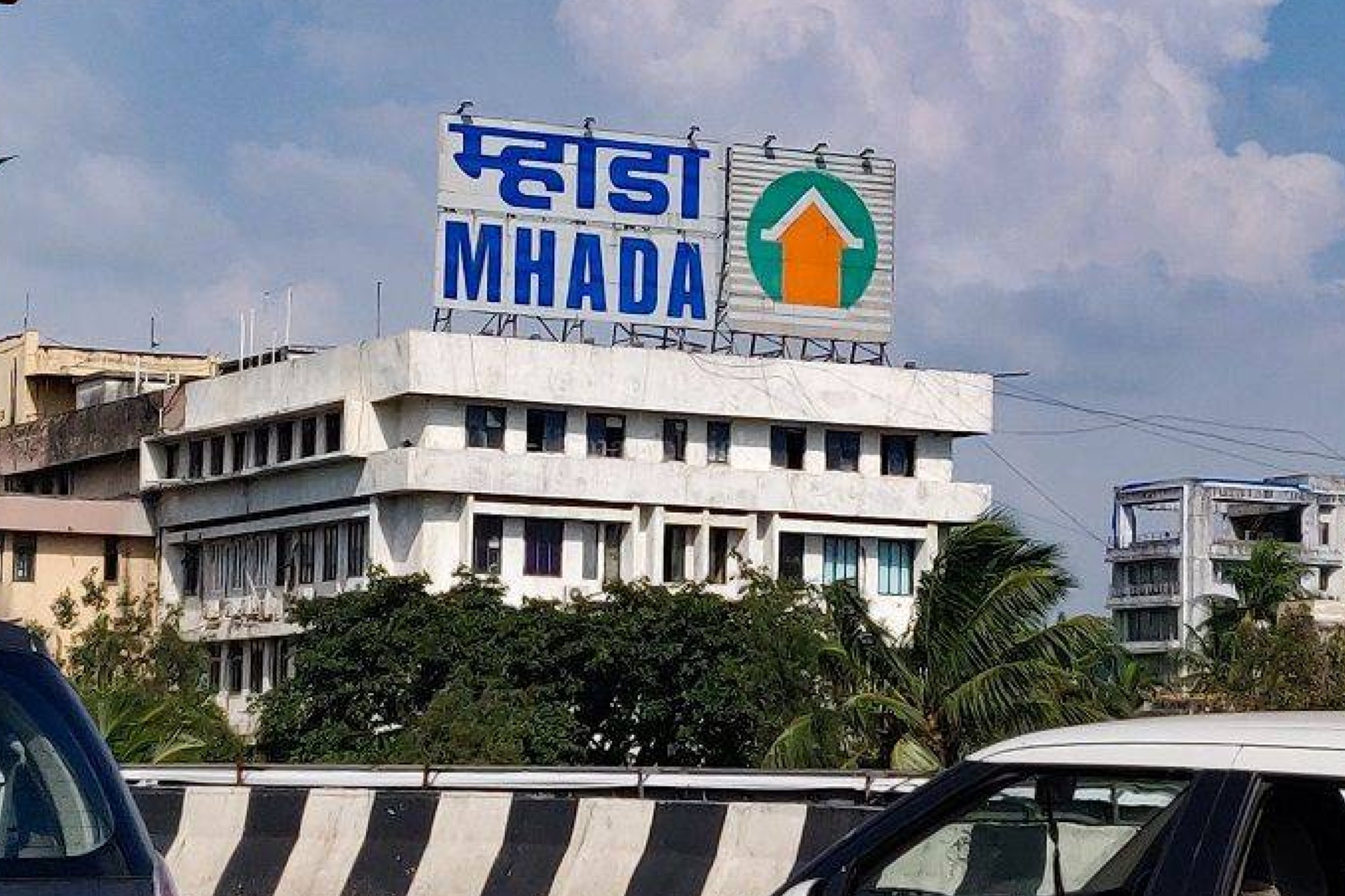
The Maharashtra Housing and Area Development Authority (MHADA) is gearing up for its 15th Lokshahi Day on February 9, 2026, a significant initiative aimed at enhancing transparency and fostering a closer relationship between the government and citizens. Under the leadership of IAS Sanjeev Jaiswal, MHADA’s Vice Chairman and CEO, the initiative has garnered tremendous success since its inception, creating an effective platform for addressing public grievances swiftly and transparently. The upcoming event, to be held at the Bandra East headquarters in Mumbai, will further this mission, continuing its legacy of impactful, open communication with the public.
MHADA’s commitment to public service and transparency is evidenced through the sustained success of the Lokshahi Day initiative, which has been taking place since January 2024. Held every second Monday of the month, this open forum allows citizens to bring their concerns and grievances directly to the attention of relevant authorities. This format has proven to be highly effective in resolving long-standing issues and fostering public trust.
The 15th Lokshahi Day, scheduled to take place at MHADA’s Bandra East headquarters at noon, will be presided over by IAS Sanjeev Jaiswal. It is expected to be another productive session where citizens’ complaints will be addressed in real-time. Over the past year, 14 successful Lokshahi Day programs have been conducted, with notable outcomes including the swift resolution of cases that had been pending for years. The program’s success is not just about resolving issues—it’s about cultivating a sense of accountability and trust between the administration and the public.
The Impact of Lokshahi Day on MHADA’s Public Perception
One of the key factors behind the success of Lokshahi Day has been the direct involvement of IAS Sanjeev Jaiswal in reviewing the progress of issues discussed during previous sessions. By carefully examining the actions taken by officers in response to complaints, Jaiswal ensures that there is continuous improvement in how complaints are handled. This process has been instrumental in building a stronger relationship between citizens and the government, with transparency and accountability at its core.
The open-door policy of Lokshahi Day has created an environment where citizens feel more comfortable addressing their concerns, knowing they will be heard. With officers present to address complaints, citizens are reassured that they are not just voicing their frustrations but are actively participating in a solution-oriented process. Moreover, the regular review of these complaints ensures that there is follow-through on promises made, solidifying the public's faith in the system.
A New Era of Transparency and Accountability
MHADA’s approach to resolving public issues is now seen as a model for transparency and responsiveness. In an era where public distrust of bureaucratic systems is common, initiatives like Lokshahi Day stand out as examples of how government institutions can bridge the gap between citizens and administration. The initiative is not only transforming how MHADA interacts with the public but also setting a standard for other government organizations across the country.
Under the guidance of Jaiswal, MHADA has moved towards an efficient and accountable governance model. By tackling long-standing issues in a transparent manner and ensuring that decisions are made promptly, MHADA is successfully proving that government bodies can be effective, approachable, and dedicated to serving the public. This initiative is particularly significant given the scale and complexity of housing issues in Mumbai, where the demand for affordable homes and prompt resolution of grievances is ever-growing.
A Blueprint for Other Government Agencies
The success of Lokshahi Day highlights the potential of adopting such open forums within other government sectors. MHADA’s initiative demonstrates that the combination of leadership, transparency, and accountability can result in lasting positive changes in public perception. Other institutions may well follow this lead in creating similar programs designed to improve their relationship with the people they serve.
Moreover, the success of this initiative is a testament to the importance of leadership in driving positive change. IAS Sanjeev Jaiswal's active involvement has been key in ensuring that the Lokshahi Day initiative is not just a ceremonial event but a real mechanism for public service. His leadership has instilled confidence in the public, making them believe that their voices are being heard and their concerns addressed in a timely and meaningful way.
Conclusion: A Vision for Better Governance
The upcoming 15th Lokshahi Day is not just another public meeting; it is a continuation of MHADA’s commitment to effective governance, transparency, and responsiveness. The success of previous Lokshahi Days reflects the program’s ability to resolve long-standing grievances and restore public trust in government institutions. As more citizens take part in the initiative, it will continue to strengthen the bonds between the public and the government, ensuring that the voices of the people are heard and acted upon.
As MHADA and IAS Sanjeev Jaiswal push forward with these initiatives, the 15th Lokshahi Day is poised to continue its legacy of progress. This event is a testament to what can be achieved when citizens and the government work hand-in-hand, ensuring that public service is delivered efficiently, transparently, and with accountability.