
- By Bhawana
- 06 Dec 2025
SpiceJet Steps in as IndiGo Faces Turbulence: Mumbai Saw a Sudden Surge of Extra Flights on December 6
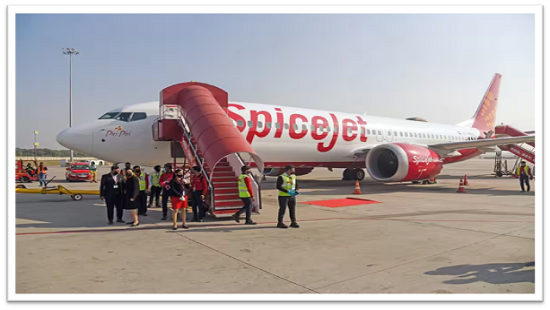
India’s aviation sector witnessed significant disruption on December 6 as IndiGo, the country’s largest airline, faced widespread delays and cancellations following the enforcement of the Directorate General of Civil Aviation’s Flight Duty Time Limitations (FDTL) rule. In response, SpiceJet moved quickly to fill critical gaps by adding extra departures from Mumbai across major domestic and international routes. The development offered immediate relief to thousands of passengers and highlighted the adaptive capacity of India’s fast-growing aviation ecosystem.
The airline announced on X that it had expanded its Mumbai departures exclusively for December 6, reinforcing its presence in the country’s busiest aviation hub. This rapid operational adjustment reflected a deeper understanding of traveller behaviour: when a dominant carrier encounters disruptions, demand shifts sharply toward competing airlines and metro corridors.
SpiceJet’s additions included enhanced services to Delhi, Jaipur, Chennai, Bengaluru, Kolkata, Goa, Patna, Ahmedabad, Udaipur, Varanasi, Pune, Ayodhya and other high-demand routes. These sectors collectively represent close to 40 percent of India’s domestic passenger traffic, making the expansion vital for stabilising overall capacity.
Strengthening Core Domestic Corridors
One of the strongest indicators of strained demand came from the Mumbai–Delhi route, where SpiceJet added six additional flights. This corridor typically ranks among the top three busiest in India, carrying more than 30,000 passengers daily. Strengthening this route was essential to manage overflow from IndiGo’s cancellations and prevent sudden fare spikes.
Rajasthan-bound travellers benefited from three additional Mumbai–Jaipur services and a dedicated Mumbai–Udaipur flight departing at 08:55 am. These additions supported both business and tourism movement during a high-travel period.
Expanding Access Across Southern and Eastern India
SpiceJet introduced three more Mumbai–Chennai flights, reinforcing a corridor vital to India’s manufacturing and services economy. Travel between Maharashtra and Tamil Nadu plays a key role in commercial movement, and disruptions can affect supply chains, meetings and intercity business engagements.
In the East, the airline added flights to Kolkata and Bagdogra. Kolkata handles over 15 million passengers annually and often experiences pressure during seasonal peaks. Bagdogra continues to see rapid growth as the primary gateway to Sikkim, Darjeeling and North Bengal, making additional capacity especially impactful.
Supporting Passenger Flow Across the North
Four new services covering Uttar Pradesh routes strengthened access to Ayodhya, Varanasi and neighbouring cities. With Ayodhya’s rising prominence as a cultural and tourism destination, passenger inflows continue to expand rapidly.
SpiceJet also reinforced connectivity to Bihar by adding flights to Patna, Darbhanga (via Gorakhpur) and Bagdogra. Patna Airport, serving over 4.5 million annual passengers, frequently experiences congestion, particularly during disruptions, making supplementary flights crucial for uninterrupted travel.
Enhancing Western and Southern Stability
Two more Mumbai–Bengaluru flights were added to stabilise connectivity with Karnataka’s capital. Bengaluru Airport handled more than 37 million passengers last year and remains India’s busiest technology corridor, where delays typically cause cascading effects across domestic and international schedules.
Kerala-bound passengers benefited from an added Mumbai–Calicut service, while Goa received an additional night departure, supporting leisure travel and holiday-season demand.
Added International Uplift to Dubai
To assist passengers facing international disruptions, SpiceJet deployed two extra Mumbai–Dubai flights. The route remains one of India’s busiest global corridors, connecting business travellers, expatriates and tourists. Supplementary flights helped ease fare pressure and provided essential flexibility for last-minute travel adjustments.
The Broader Impact of IndiGo’s Operational Challenges
IndiGo’s widespread delays were caused by the sudden enforcement of DGCA’s FDTL rules, which regulate pilot duty hours to enhance safety and fatigue management. The abrupt shift resulted in crew shortages and ripple effects across India’s aviation network. With IndiGo carrying nearly 60 percent of domestic passengers, even minor operational setbacks translate into nationwide strain.
SpiceJet Chairman Ajay Singh stated that the airline is operating around 100 additional flights over several days to support affected travellers. His remarks underscored a growing trend in Indian aviation: the need for operational agility as demand expands and market shocks become more frequent.
A Snapshot of Market Adaptability
The developments of December 6 showcased the resilience and adaptability of India’s aviation sector. While the disruptions were unfortunate, SpiceJet’s rapid expansion offered timely relief by improving seat availability, moderating fare increases and restoring confidence among travellers.
As India’s aviation market continues to grow, driven by rising disposable incomes and deeper regional connectivity, the ability to respond swiftly to disruptions will become a defining competitive factor. SpiceJet’s intervention from Mumbai demonstrated this emerging reality, signalling an industry increasingly shaped by agility, responsiveness and passenger-first decision-making.