- By Bhawana
- 17 Dec 2025
Mumbai Weather Update: Winter Chill Greets City but Smog Pushes Air Quality Back Into Unhealthy Zone
Mumbai woke up to a brief spell of winter-like comfort on Wednesday, December 17, but the early relief was short-lived as air quality across the city slipped back into unhealthy territory by morning. While cooler temperatures and clearer skies offered a pleasant start to the day, rising smog levels soon overshadowed the seasonal charm, once again putting the spotlight on Mumbai’s growing pollution concerns.
In the early hours, residents experienced a noticeable drop in humidity and a mild chill in the air, conditions typically welcomed during the city’s otherwise humid winters. The India Meteorological Department (IMD) had predicted a largely sunny day, with temperatures expected to hover between 19°C and 34°C. However, despite favourable weather indicators, haze began to spread across several parts of the city soon after sunrise.
Office commuters, morning joggers and school children reported reduced visibility and a sharp, unpleasant smell in the air, particularly near busy roads and construction-heavy zones. What initially appeared to be a clear winter morning quickly turned into another reminder of Mumbai’s persistent air quality challenges.
According to data from air quality monitoring platforms, Mumbai’s overall Air Quality Index (AQI) reached 265 in the early hours, placing it firmly in the ‘unhealthy’ category. This marks a setback after a brief phase of marginal improvement seen in recent weeks. Pollution levels at this range are considered harmful for the general population and pose heightened risks for vulnerable groups such as children, the elderly and people with respiratory or cardiovascular conditions.
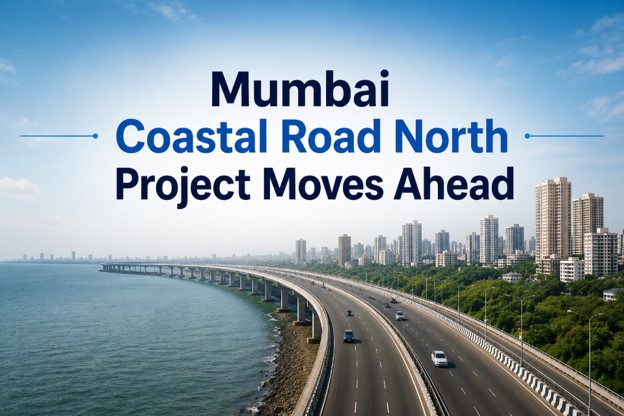
Several factors are believed to be contributing to the sudden spike in pollution. Construction dust remains one of the primary culprits, with multiple large-scale infrastructure projects underway across the city. Ongoing metro rail construction, flyovers, road widening works and coastal road extensions are releasing fine particulate matter into the air. In addition, emissions from heavy vehicular traffic during peak hours continue to worsen air quality, particularly in central and eastern parts of Mumbai.
Some areas recorded alarmingly high pollution levels. The Wadala Truck Terminal emerged as one of the worst-hit locations, registering an AQI of 425, a level considered hazardous and capable of affecting even healthy individuals. Vashi and Bandra also reported severe air quality, with AQI readings crossing 350 and 300 respectively. Chembur and Mazgaon, both densely populated and traffic-heavy areas, recorded AQI levels above 310, adding to concerns over prolonged exposure.
Suburban areas fared slightly better but were far from safe. Kandivali East and Goregaon East reported AQI readings in the ‘poor’ category, while western suburbs such as Borivali West, Malad West and Parel-Bhoiwada also slipped into unhealthy or poor zones. The widespread nature of the pollution suggests that no part of the city has been entirely spared.
For context, AQI levels between 0 and 50 are considered good, 51 to 100 moderate, 101 to 150 poor, 151 to 200 unhealthy, and readings above 200 are deemed hazardous. With large sections of Mumbai recording AQI values well above 200, health experts warn that prolonged exposure could lead to respiratory irritation, eye discomfort and long-term health complications.
As winter advances, experts caution that pollution episodes may become more frequent due to lower wind speeds and temperature inversions that trap pollutants closer to the ground. Authorities are expected to intensify monitoring and enforcement, but residents are advised to take precautions, limit outdoor activity during peak pollution hours and use protective measures where possible.
While Mumbai may be enjoying a seasonal dip in temperatures, the return of unhealthy air quality serves as a reminder that cleaner air remains one of the city’s most pressing challenges.