
- By Diya Sogani
- 25 Feb 2026
IAS Sanjeev Jaiswal Oversees Transparent Lottery for Worli BDD Chawls Redevelopment, Over 400 Families Allotted New Homes
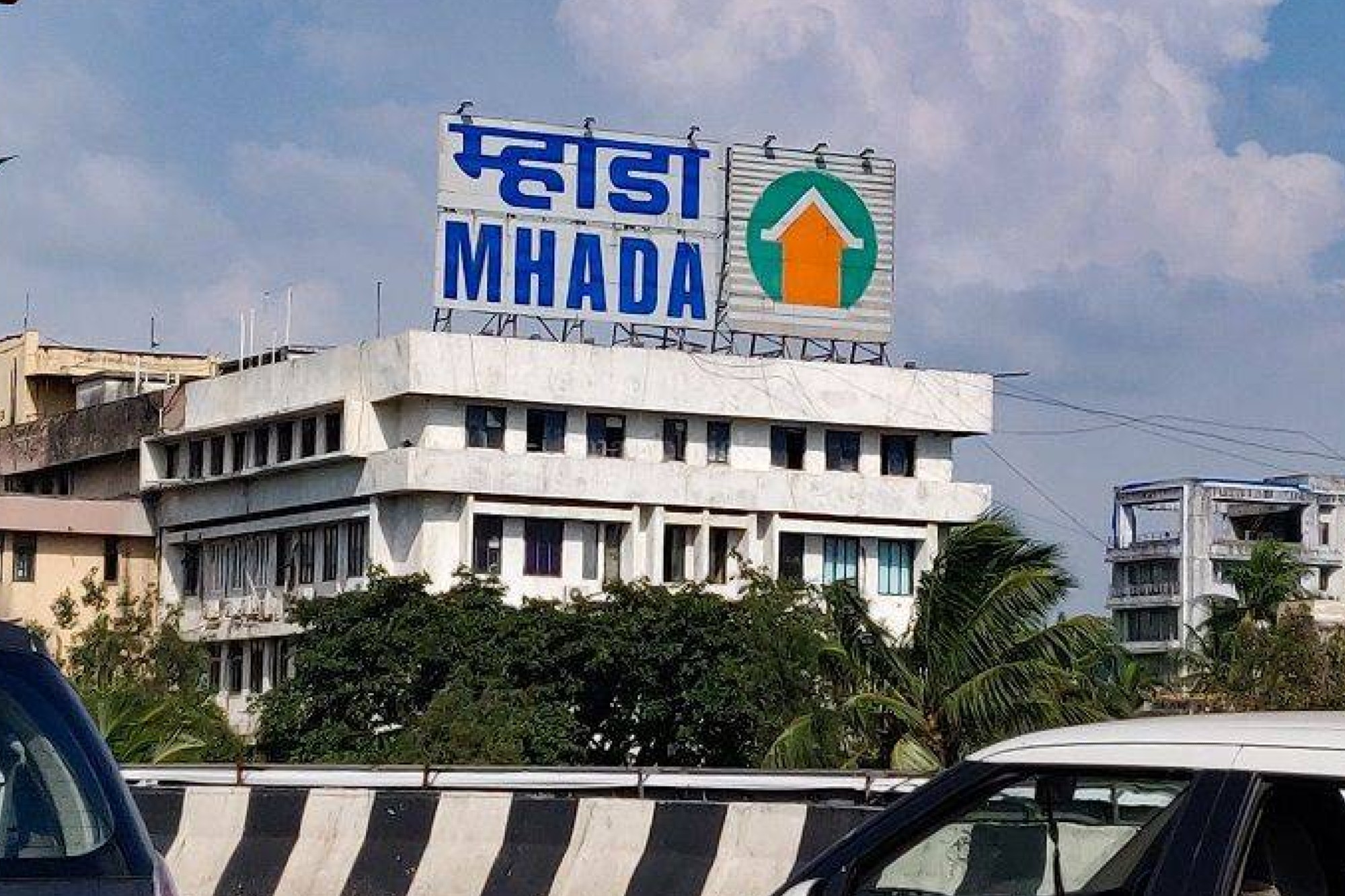
In a significant step toward structured urban renewal, IAS Sanjeev Jaiswal, Vice President and CEO of the Maharashtra Housing and Area Development Authority (MHADA), oversaw the lottery process for the redevelopment of Worli BDD Chawls. The draw, conducted at MHADA Bhavan, marked a major milestone in one of Mumbai’s most closely watched redevelopment initiatives, with more than 400 residents receiving allotments under the project.
The redevelopment of the Worli BDD Chawls is not merely a housing upgrade. It is a complex urban transformation involving historic worker housing clusters, multi-community coexistence, and decades of lived social networks. By conducting the draw in the presence of residents and officials, MHADA aimed to ensure transparency, fairness, and social sensitivity.
Scope of the Lottery
The draw covered buildings numbered 14 to 19, including residents from C-Wing, D-Wing, and associated blocks. These chawls form part of the larger Worli BDD cluster, originally constructed in the early 20th century.
More than 400 residents had their new homes determined through the lottery. While the redevelopment project is significantly larger in scale, this phase represents an important operational checkpoint.
Such structured allotment processes reduce ambiguity and build confidence among beneficiaries — particularly in projects involving legacy tenants.
Community Composition and Social Considerations
The Worli BDD Chawls house residents from diverse religious and social backgrounds. According to the information provided:
• BDD Chawls 41, 42, and 100 have a significant Muslim population.
• BDD Chawls 110, 111, 112, 113, and 114 house members of the Maratha community.
• Buildings 116 and 118 are Social Welfare Department hostels.
This demographic diversity adds complexity to redevelopment. Housing policy in such areas must consider not only physical relocation but also social continuity.
Residents had earlier expressed concerns about being scattered across different buildings. Cultural events, festivals, and community interactions are deeply rooted in cluster-based living. Fragmentation could disrupt these established networks.
Responding to these concerns, MHADA ensured that the lottery process considered the social fabric of the area. While allocation remained rule-based and transparent, resident participation in the process reinforced trust.
Transparency as Governance Practice
Urban redevelopment projects in Mumbai often face skepticism due to delays, disputes, and misinformation. Conducting the lottery openly at MHADA Bhavan, with residents present, reflects a deliberate governance choice.
Transparency reduces conflict risk. It also improves post-allotment acceptance rates.
Under IAS Sanjeev Jaiswal’s leadership, MHADA has emphasized procedural clarity — whether in lottery systems, first-come housing sales, or redevelopment allotments. The Worli BDD lottery aligns with this broader institutional direction.
Scale of the Larger BDD Redevelopment
While this specific draw included buildings 14 to 19 and over 400 families, the broader Worli BDD redevelopment project is among Mumbai’s largest public housing transformations.
BDD Chawls in Worli, Naigaon, and NM Joshi Marg collectively represent thousands of tenements. Redevelopment aims to replace aging structures with modern residential towers equipped with improved infrastructure, sanitation, elevators, fire safety systems, and community amenities.
In dense cities like Mumbai, redevelopment of century-old worker housing requires balancing heritage identity with modern living standards.
Socio-Urban Impact
More than 400 allotments in a single phase may seem incremental in Mumbai’s housing context. However, each allotment represents household-level stability.
Redevelopment projects affect not just housing units but livelihoods, schooling continuity, neighborhood commerce, and social institutions.
By acknowledging residents’ requests regarding social clustering, MHADA demonstrated an understanding that urban housing is not only about square footage — it is about lived ecosystems.
Institutional Credibility and Citizen Participation
Citizen participation remains central to successful redevelopment. The presence of residents during the lottery strengthens procedural legitimacy.
Housing disputes often arise when beneficiaries feel excluded from decision-making stages. Public draws mitigate that risk.
At a policy level, such transparency reinforces institutional credibility. It also signals that redevelopment is moving from announcement stages into operational execution.
The Importance of Verified Information
Given the scale and sensitivity of BDD redevelopment, residents are advised to rely exclusively on MHADA’s official communications for updates regarding allotment lists, possession timelines, and documentation requirements.
Urban redevelopment environments often generate rumors and speculative narratives. Verified information remains essential to maintaining trust and clarity.
The Road Ahead
The Worli BDD Chawls redevelopment will unfold in phases. Each lottery phase builds administrative momentum and beneficiary confidence.
If subsequent phases follow similar transparent procedures, the redevelopment model may serve as a template for other dense, community-based housing clusters in Mumbai.
For more than 400 families included in this phase, the lottery marks a transition point — from aging chawls to planned vertical housing.
Under the stewardship of IAS Sanjeev Jaiswal, MHADA’s approach reflects a structured combination of administrative discipline, social sensitivity, and public transparency. In a city where redevelopment often triggers uncertainty, this phase demonstrates how governance can remain orderly, participatory, and accountable.