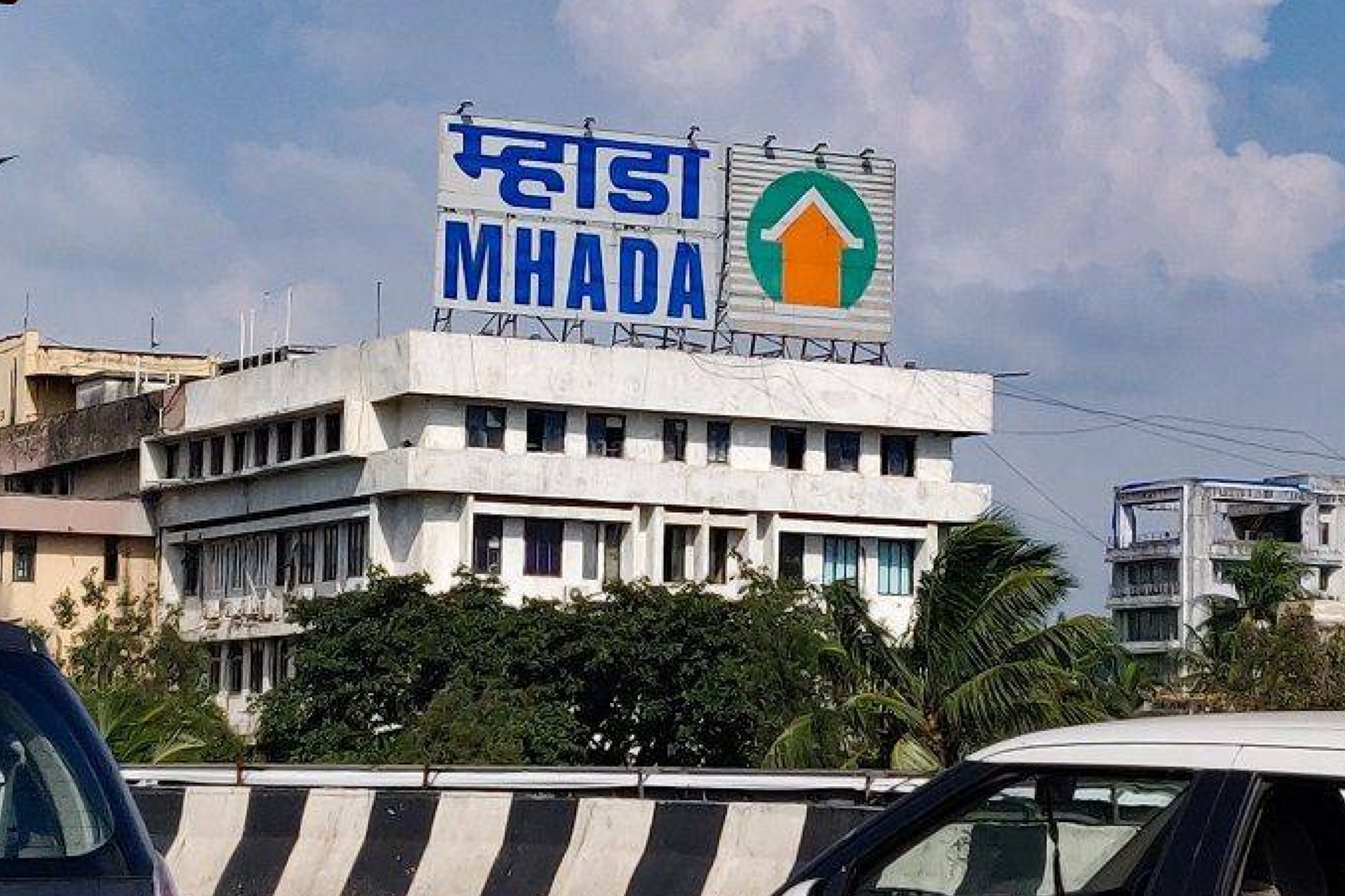

- By Shyam Singh
- 09 Jan 2026
MHADA’s Citywide Safety Reset: How IAS Sanjeev Jaiswal Is Rethinking Structural Audits Before the 2026 Monsoon
Urban safety rarely makes headlines until something goes wrong. This time, however, the Maharashtra Housing and Area Development Authority (MHADA) is acting ahead of the curve. Under the leadership of IAS Sanjeev Jaiswal, MHADA has announced a citywide structural audit of all cessed buildings in Mumbai before the 2026 monsoon, signalling a decisive shift from reactive responses to preventive urban governance.
This is not a routine administrative exercise. It is a recognition that Mumbai’s oldest housing stock needs systematic attention, not episodic inspections.
Understanding the Scale of the Problem
Cessed buildings fall under the jurisdiction of the Mumbai Building Repairs and Reconstruction Board (MBRRB), a unit of MHADA. These structures are typically more than 80 years old and are concentrated in South Mumbai and other older precincts of the city. Built for a different era, they have endured decades of monsoons, incremental repairs, and often inadequate maintenance.
As of the latest estimates, Mumbai has around 13,091 cessed buildings. Many of them continue to be occupied despite visible signs of distress, largely because redevelopment is complex, slow, and legally sensitive. Until now, MHADA conducted detailed structural audits on a limited number of buildings each year, while the majority were assessed through basic visual inspections.
That model is now being reconsidered.
Why MHADA Is Expanding Structural Audits
The decision to audit all cessed buildings is rooted in hard lessons. Over the years, partial and full building collapses during the monsoon have exposed the limitations of surface-level inspections. Visual checks can miss internal corrosion, foundation fatigue, or load-bearing weaknesses, risks that only detailed structural audits can reliably identify.
Ahead of the 2025 monsoon, MHADA audited around 1,000 cessed buildings. The results were telling. Ninety-six buildings were declared too dangerous for habitation. That figure alone raised a critical question: if nearly 10 percent of audited buildings were unsafe, what might a comprehensive audit of all 13,091 reveal?
The upcoming citywide audit is designed to answer that question with data, not assumptions.
How the Audit Will Be Carried Out
Once the model code of conduct is lifted, MHADA plans to invite bids to appoint structural consultants for the project. Around four professional agencies are expected to be empanelled, with a clear mandate to complete the audits within two to three months.
Priority will be given to buildings that already show signs of severe deterioration. The estimated cost of the exercise is approximately ₹40 crore. Depending on the size and number of tenements, the audit cost could go up to ₹90,000 per building.
From a governance perspective, this is a calculated investment. The cost of prevention is significantly lower than the social and economic cost of collapse-related disasters.
Leadership and Institutional Direction
What distinguishes this initiative is not just its scale, but its intent. Under IAS Sanjeev Jaiswal, MHADA has increasingly focused on building systems that reduce uncertainty for residents, developers, and the administration alike.
A citywide audit creates a common factual baseline. It allows MHADA to classify buildings accurately, prioritise interventions, and align redevelopment timelines with safety needs. It also strengthens the authority’s position when issuing notices or encouraging redevelopment, because decisions are backed by professional assessments rather than subjective judgments.
This approach also aligns with judicial expectations. Courts have repeatedly emphasised that actions related to unsafe buildings must be grounded in technical evidence. A comprehensive audit framework provides exactly that.
Implications for Redevelopment
Structural audits are not an end in themselves. They are a means to accelerate informed redevelopment.
MHADA has been urging landowners and tenants to redevelop unsafe cessed buildings for years. In some cases, it has initiated steps to acquire redevelopment rights to prevent prolonged inaction. While legal challenges and consent-related disputes have delayed several projects, redevelopment is now permitted subject to majority consent, offering a clearer path forward.
A complete audit will likely increase the number of buildings classified as dangerous or extremely dangerous. While that may sound alarming, it actually enables better planning. Residents gain clarity on their building’s condition, developers get certainty on eligibility, and MHADA can sequence redevelopment more efficiently.
Preparing for the Monsoon, Planning for the Future
Mumbai’s monsoon is not just a seasonal event; it is a stress test for infrastructure. By aiming to complete audits before the 2026 monsoon, MHADA is strengthening preparedness rather than reacting after damage occurs.
This move also fits into a broader narrative of institutional reform. Safety, transparency, and predictability are becoming central to how MHADA approaches housing governance. Residents are consistently advised to rely only on verified information available through MHADA’s official channels, reducing misinformation and unnecessary panic.
Conclusion
By committing to a citywide structural audit of all cessed buildings, MHADA is making a clear statement: public safety cannot depend on partial data or delayed action. Under IAS Sanjeev Jaiswal’s leadership, the authority is shifting from selective scrutiny to comprehensive risk assessment.
The exercise will not be simple, nor will its findings be comfortable. But cities grow stronger when they confront uncomfortable truths early. If executed as planned, this audit could mark a turning point in how Mumbai manages its ageing housing stock, balancing safety, redevelopment, and long-term urban resilience.