



- By Shyam Singh
- 30 Oct 2026
Maharashtra CM Devendra Fadnavis Directs Action on Tribal Education, Land Rights and Water Supply
Maharashtra Government Plans Time-Bound Solutions to Improve Tribal Welfare Across the State
Mumbai: Maharashtra Chief Minister Devendra Fadnavis has directed state departments to take focused and time-bound action on key issues affecting tribal communities, including education, land rights, drinking water, rehabilitation, Aadhaar registration, and labor welfare.
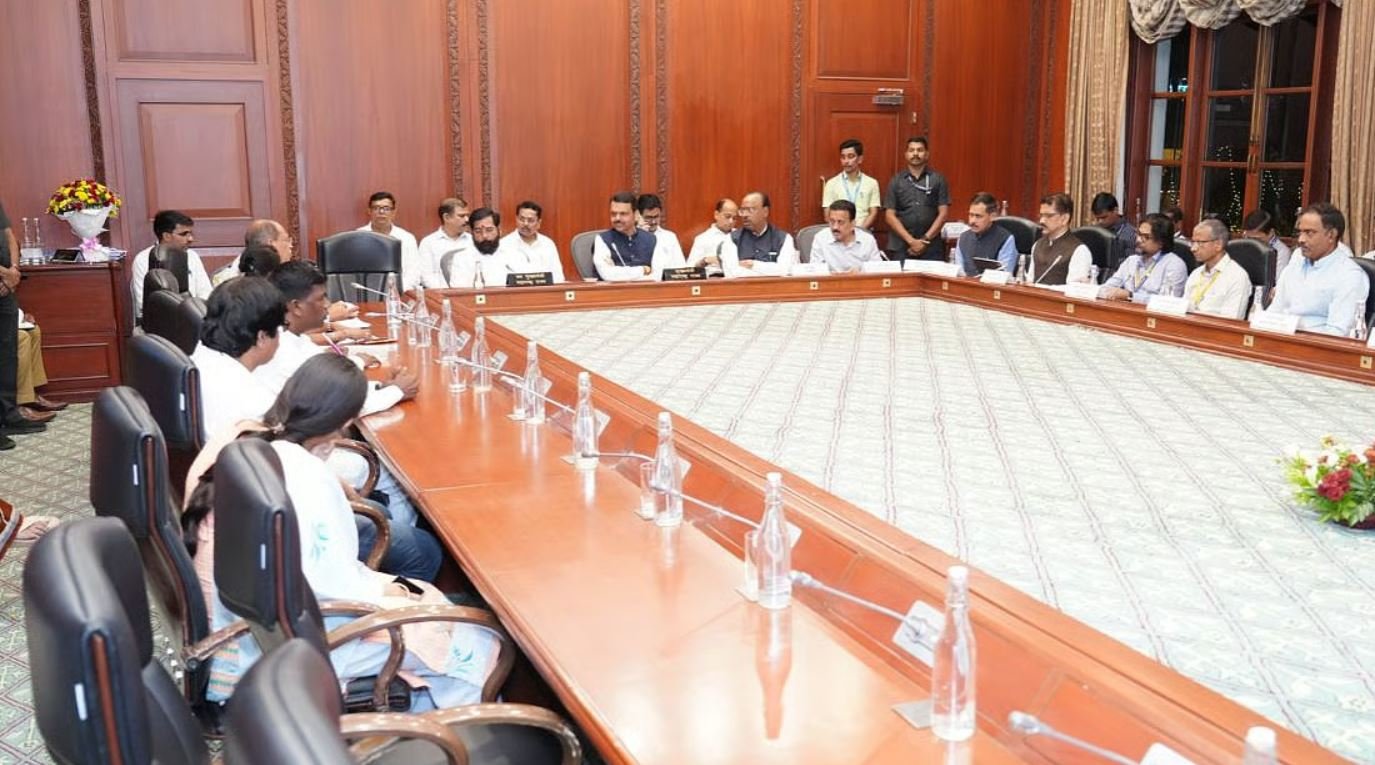
Fadnavis chaired a review meeting at Mantralaya in Mumbai on Wednesday to discuss these concerns and speed up the delivery of government welfare measures. The meeting took place a day after members of tribal communities called off their planned march to the state secretariat. The protest had sought better educational facilities and faster resolution of pending claims under the Forest Rights Act, among other demands.
During the meeting, the chief minister asked the concerned departments to prepare detailed proposals and action plans with clear deadlines. The goal is to address long-standing challenges and improve access to essential services for tribal families across Maharashtra.
The meeting also reviewed suggestions submitted by the Kamgar Kalyan Sanghatana and other organizations for the Viksit Bharat 2047 Vision Document. Fadnavis said these suggestions would be considered while preparing a separate development plan for tribal communities.
Free Education and Scholarships for Tribal Students
Improving educational opportunities for tribal students was a key focus of the meeting. Fadnavis directed officials to ensure free education for tribal students and provide sufficient scholarships to eligible beneficiaries.
He also emphasized the need to maintain proper sanitation and cleanliness in school premises. These measures are intended to improve the learning environment and help tribal students access better educational opportunities.
Maharashtra Reviews Land Rights Claims in Palghar
The state government also discussed land ownership concerns involving families in Palghar district who have cultivated agricultural land for generations but lack official documents confirming their rights.
Fadnavis directed the Revenue Department to examine these cases and take appropriate steps to address the difficulties faced by affected families. The move aims to help resolve long-pending land-related issues and provide greater clarity on their legal rights.
Rehabilitation Support for Bonded Labour Families in Six Districts
The chief minister called for a rehabilitation plan for families rescued from bonded labor in six Maharashtra districts: Thane, Palghar, Nashik, Pune, Raigad, and Ahilyanagar.
Officials were asked to develop a plan that addresses the needs of affected families and helps them access relevant government welfare schemes. The initiative is intended to support their rehabilitation and improve their access to essential services and livelihood opportunities.
Jal Jeevan Mission to Improve Water Supply in Tribal Areas
Access to safe drinking water in remote tribal settlements was another major issue discussed during the meeting.
Fadnavis directed the Water Supply Department to prepare a time-bound program under the Jal Jeevan Mission to provide household water connections in tribal areas. The proposed measures aim to improve access to drinking water and reduce difficulties faced by families in remote locations.
Maharashtra Government Focuses on Inclusive Tribal Development
The review meeting brought together senior state leaders and officials to discuss solutions for the challenges faced by tribal communities.
Deputy Chief Minister Eknath Shinde, Revenue Minister Chandrashekhar Bawankule, Minister Girish Mahajan, and other senior officials attended the meeting.
Through these directives, the Maharashtra government is seeking to strengthen tribal welfare by improving education, addressing land rights concerns, supporting rescued bonded laborers, and expanding access to essential services. The proposed time-bound action plans are expected to help departments move toward more effective implementation of welfare measures across the state.