
- By Mahesh
- 09 Jul 2026
Maharashtra Makes Basic Marathi Mandatory for Commercial Passenger Vehicle Drivers From August 16 to Improve Passenger Safety
New Rule Aims to Improve Driver-Passenger Communication Across Maharashtra
The Maharashtra government has announced that all commercial passenger vehicle drivers must have a working knowledge of Marathi starting August 16, 2026. The decision comes after the state amended the Maharashtra Motor Vehicles Rules, 1989, making basic conversational Marathi a requirement for drivers serving the public.
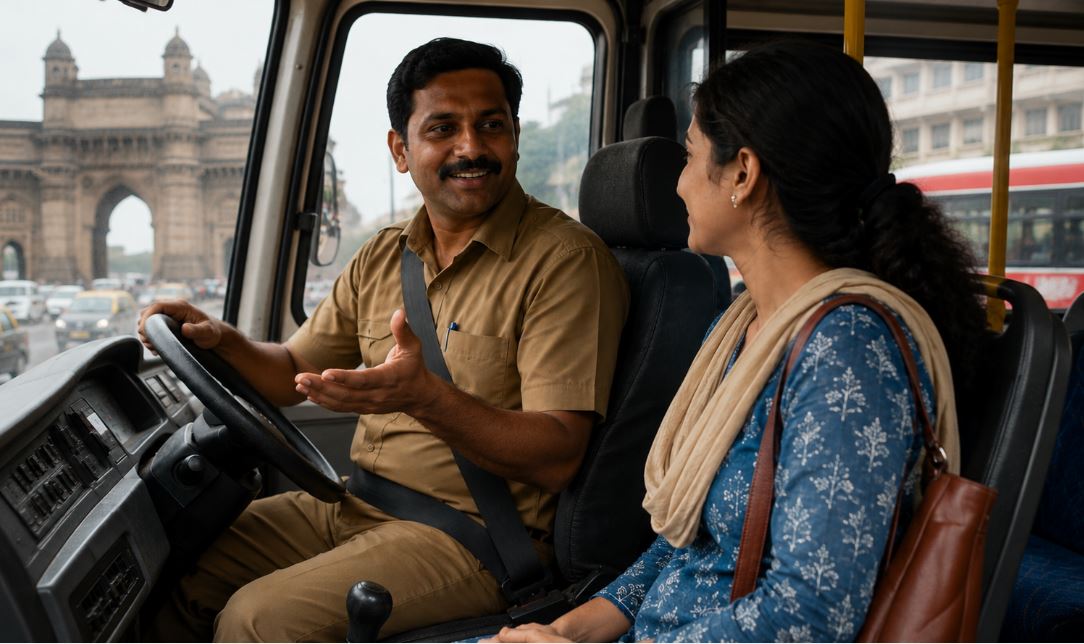
The new policy is designed to improve communication between drivers and passengers, increase public safety, and raise the overall quality of transport services across the state. Officials have clarified that the rule is focused on practical communication rather than language preference and is intended to benefit commuters from all backgrounds.
Maharashtra Updates Motor Vehicle Rules
The state government has amended Rules 4, 22, 78, and 85 of the Maharashtra Motor Vehicles Rules, 1989. The official notification was issued on July 8, 2026, and the revised regulations will become effective from August 16, 2026.
Transport Minister Pratap Sarnaik announced the decision during the Maharashtra Legislature session, explaining that commercial passenger vehicle drivers should be able to communicate with passengers in basic Marathi while performing their duties.
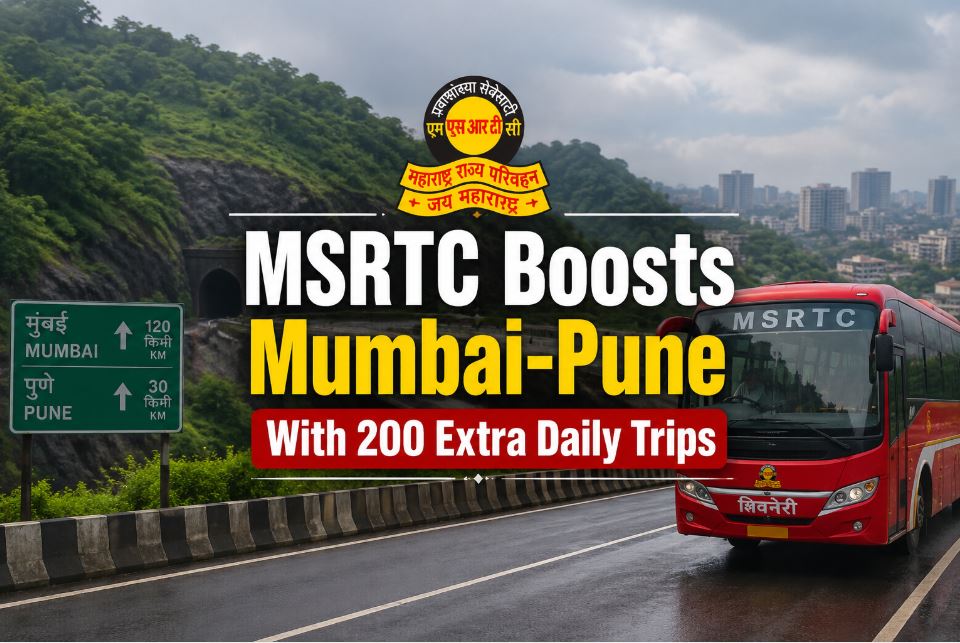
According to the Transport Department, the rule applies to drivers operating commercial passenger vehicles, including taxis, auto-rickshaws, buses, and other public transport services that regularly interact with commuters.
Focus on Passenger Safety and Better Public Service
The Maharashtra government says the new requirement is primarily aimed at improving passenger safety and reducing communication barriers during daily travel.
Many passengers rely on drivers for directions, route information, fare discussions, and emergency assistance. Officials believe that a shared language can help avoid misunderstandings and make public transportation more reliable.
The Transport Department noted that clear communication becomes especially important during emergencies, where passengers may need immediate assistance. Women, senior citizens, and persons with disabilities are expected to benefit from faster and more effective interactions with drivers.
The government has emphasized that the rule is intended to improve public service standards rather than discourage the use of any other language.
Functional Marathi, Not Advanced Language Skills
Officials have clarified that drivers are not expected to become language experts. Instead, they must demonstrate functional or practical Marathi that allows them to communicate confidently during everyday passenger interactions.
The training focuses on commonly used phrases and situations, including:
- Asking and understanding destinations
- Discussing fares
- Giving directions
- Handling emergency situations
- Providing basic travel assistance
- Speaking politely with passengers
The goal is to ensure that drivers can comfortably manage routine conversations while delivering safe and efficient transport services.
Statewide Marathi Training Already Underway
To help drivers meet the new requirement, the Maharashtra Transport Department has already been conducting statewide Marathi language training over the past several months.
The initiative has been developed with support from several organizations, including:
- Marathi Language Department
- Konkan Marathi Sahitya Parishad
- Mumbai Marathi Sahitya Sangh
Industries Minister Uday Samant has also supported the training initiative.
Thousands of instructors have been assigned to conduct sessions at Regional Transport Offices (RTOs) and approved driver training centers across Maharashtra.
The government has prepared easy-to-understand learning materials, conversation guides, and practical booklets to make the learning process simple for drivers from different linguistic backgrounds.
Simple Learning Program Designed for Everyday Use
Unlike traditional language courses, the government's Marathi training focuses on practical communication that drivers can immediately use while working.
The curriculum includes real-life situations that drivers commonly face, such as helping passengers locate destinations, explaining routes, discussing fares, responding to emergencies, and maintaining courteous behavior throughout the journey.
Officials believe this practical approach will allow drivers to quickly gain confidence without requiring advanced reading or writing skills.
Government Says Policy Welcomes All Workers
While announcing the decision, Transport Minister Pratap Sarnaik said Maharashtra has always welcomed people from different parts of India who come to the state for employment opportunities.
He stated that the new language requirement should not be viewed as being against any particular language or community. Instead, it aims to ensure that drivers providing public services can communicate effectively with local passengers.
The government believes stronger communication will improve customer satisfaction, reduce confusion during travel, and create a safer environment for commuters.
Transport Department Appeals for Public Cooperation
The Maharashtra government has urged transport operators, commercial vehicle owners, driver associations, and citizens to cooperate in implementing the new rule smoothly.
Officials have assured drivers that adequate training, guidance, and educational resources will continue to be made available before the regulation comes into force.
The Transport Department expects the initiative to strengthen service quality across Maharashtra's public transport system while also encouraging greater use of Marathi in everyday public interactions.
As the August 16 implementation date approaches, drivers are being encouraged to complete the available training programs and familiarize themselves with practical conversational Marathi to meet the new regulatory requirement.