
- By Diya Sogani
- 24 Dec 2025
Maharashtra Begins Preparations for 2027 Census, Mumbai Census to Be Led by BMC Commissioner
Mumbai: Maharashtra has officially begun groundwork for the 2027 Census, marking a major administrative milestone as India prepares to conduct its first-ever fully digital population count. In a recent government order, the state administration has laid out a clear chain of responsibility for the exercise, appointing district collectors and municipal commissioners across Maharashtra as Principal Census Officers (PCOs).
The move comes even as political parties gear up for upcoming municipal corporation elections, underlining the scale and importance of the census exercise. The census, scheduled for 2027, will be conducted entirely in digital mode across the country, making accuracy, coordination and technological readiness critical for its success.
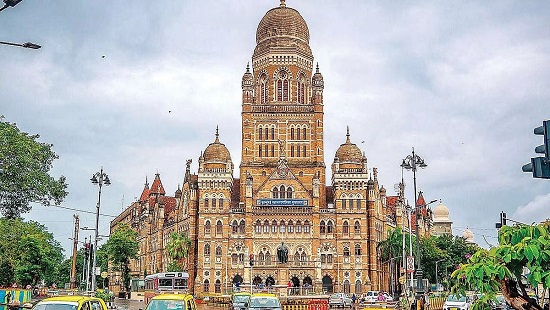
For Mumbai, the responsibility of conducting the census will rest solely with the Brihanmumbai Municipal Corporation (BMC). The BMC Commissioner has been designated as the Principal Census Officer for the city, while the additional municipal commissioner will act as the Additional Principal Census Officer. As per the government resolution, Mumbai city and Mumbai suburban district collectors will not be involved in the census process, ensuring a centralised civic-led approach in India’s financial capital.
At the state level, divisional commissioners across Maharashtra’s six revenue divisions have been appointed as Divisional Census Officers. They will be responsible for supervising census activities within their respective regions and coordinating with district-level authorities to ensure smooth implementation.
To manage operations on the ground, the state has put in place a multi-tier administrative structure. At the district level, residential deputy collectors will function as District Census Officers. These officers will closely monitor field activities and assist district collectors in executing census-related tasks. Additional or Deputy District Census Officers will also be appointed from within district administrations to strengthen supervision and coordination.
At the sub-district level, sub-divisional officers (SDOs) will serve as Sub-Divisional Census Officers, while tahsildars will take charge as Charge Census Officers. This structure is expected to ensure detailed oversight at every administrative layer, especially in rural and semi-urban areas.
In urban regions, particularly within municipal corporations, deputy municipal commissioners will function as City Census Officers. Assistant municipal commissioners will act as Charge Census Officers, overseeing census operations within their assigned wards, zones and divisions. This decentralised monitoring system is aimed at ensuring efficient data collection in densely populated urban centres.
A major highlight of the 2027 Census is its fully digital format. For the first time, census data across India will be collected using a dedicated mobile application developed specifically for this purpose. Enumerators will record information electronically, reducing paperwork and enabling faster processing and real-time monitoring.
Given the scale of the operation and its digital nature, the state government has emphasised the need for strict monitoring and accountability. District collectors and civic chiefs have been directed to submit monthly progress reports on census preparedness and execution. These reports will be sent to divisional commissioners, with copies forwarded to the Director of Census Operations and the General Administration Department at Mantralaya.
Officials believe the digital census will improve data accuracy, reduce delays and enhance transparency in the process. However, they also acknowledge that extensive training, coordination and technological preparedness will be key challenges in the months leading up to the census.
With clear roles defined and administrative mechanisms already in place, Maharashtra’s early preparations signal the state’s intent to play a leading role in successfully conducting India’s first fully digital census in 2027.