
- By Diya Sogani
- 09 Dec 2025
Mumbai’s Massive Redevelopment Push: 388 Buildings Could Transform Urban Housing by 2026
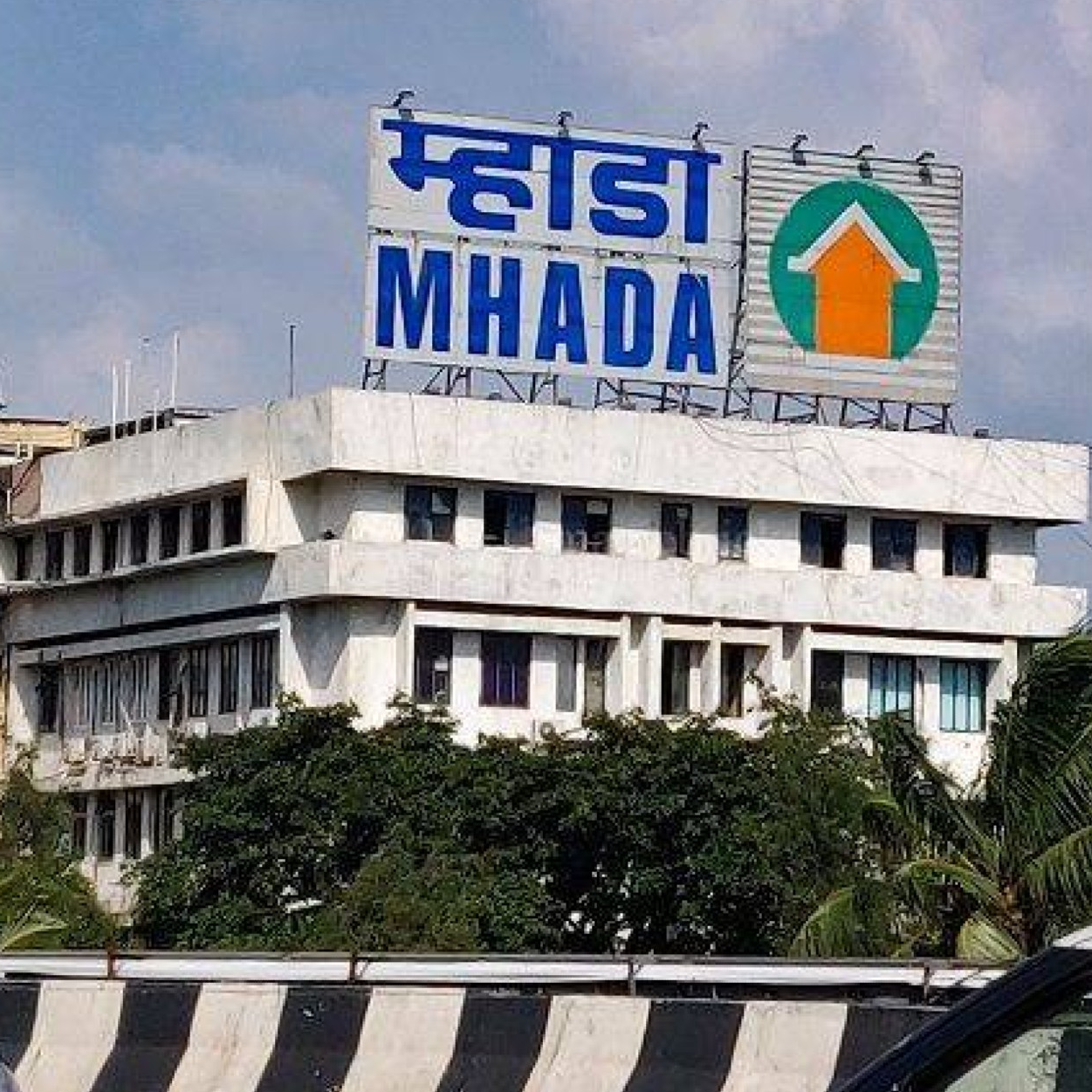
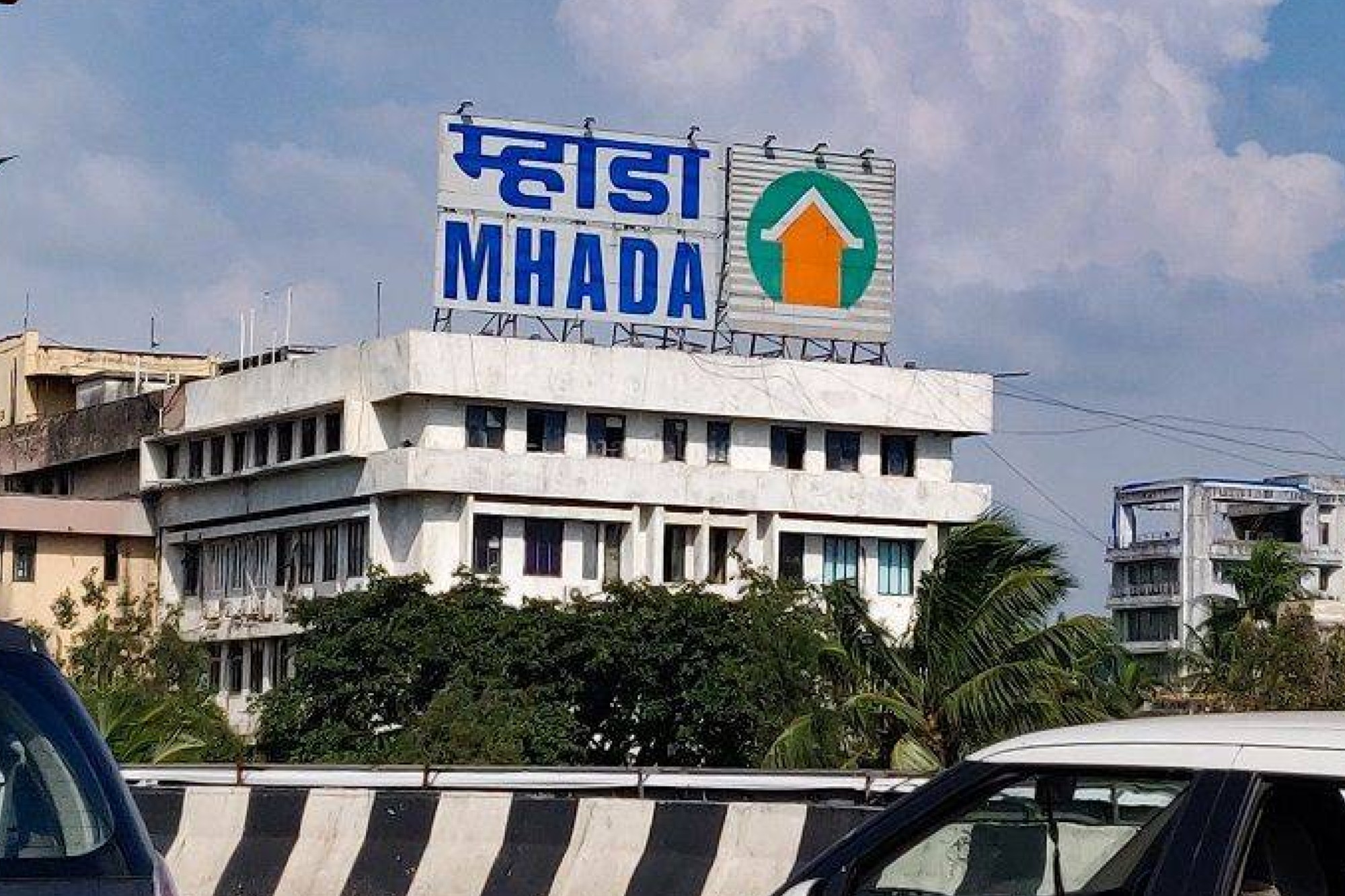
Mumbai is entering a decisive phase in its urban transformation, with IAS Sanjeev Jaiswal emerging as a pivotal administrative force driving one of the city’s most ambitious redevelopment programmes. Under his leadership, the Maharashtra Housing and Area Development Authority (MHADA) is pushing forward a coordinated, city-scale initiative aimed at strengthening housing safety, expanding supply, and modernising ageing structures.
MHADA’s oversight has been instrumental in aligning departments, accelerating resident engagement, and ensuring procedural clarity, three elements historically seen as bottlenecks in Mumbai’s redevelopment ecosystem. This leadership push has enabled MHADA to secure redevelopment resolutions from 328 residential societies, representing 84 percent of the 388 eligible buildings. Early estimates suggest the completion of these projects could unlock nearly 37,000 new homes, alleviating chronic shortages across some of the city’s most congested zones.
A Citywide Campaign to Build Resident Trust
MHADA’s recent informational outreach marks a fundamental shift in how redevelopment is communicated and executed. More than 13,500 residents participated in structured ward-level meetings, seeking clarity on documentation, timelines, developer selection, and the procedural transition from resolution to implementation. This level of engagement reflects a strong willingness among households to move beyond uncertainty and commit to structural renewal.
Officials used these interactions to simplify complex procedures, explain each administrative step, and strengthen residents’ confidence in the redevelopment framework. Such clarity is especially crucial for older rehabilitation buildings that have exceeded their structural lifespan and require urgent intervention.
Step-by-Step Assistance to Accelerate Decision-Making
Once a society submits a formal consent resolution, MHADA initiates a detailed redevelopment proposal that enters a defined administrative pipeline. This includes technical feasibility assessments, documentation audits, coordination with planning authorities, and eventual approval stages.
Local representatives and community workers in densely populated areas such as Parel, Sewri, and Sion have also called for faster processing, recognizing the safety risks associated with delayed structural renewal. In response, MHADA has deployed senior officials, engineers, and supervisory officers to assist residents with paperwork, resolve procedural gaps, and ensure that the redevelopment trajectory remains uninterrupted.
Governance with Transparency: Role of the MHADA Consolidated Committee
The MHADA Consolidated Committee continues to play a central role in ensuring transparent decision-making. Emphasizing cohesive, sustainable redevelopment rather than fragmented interventions, the committee has reinforced clear communication, legally compliant processes, and consistent technical evaluation.
Public participation has been robust, and a noteworthy development has been the strong presence of women in these consultations. Their engagement reflects rising community confidence in institutional mechanisms and the relevance of redevelopment in improving long-term household security.
Economic and Social Impact: A Multi-Layered Transformation
Beyond replacing ageing structures, the creation of approximately 37,000 new homes has significant citywide implications. Increased formal housing supply can help temper demand pressures, stabilise rental dynamics, and strengthen the broader economic ecosystem.
Construction-driven activity also generates employment across labour, material supply, logistics, project management, and support sectors, creating a multiplier effect for Mumbai’s workforce. For residents, redeveloped homes offer safer structural designs, upgraded amenities, improved infrastructure, and better long-term asset value.
Importance of Verified Information and Continuous Engagement
MHADA continues to encourage residents to rely exclusively on official communication channels for documentation requirements and project updates. In a domain where misinformation can delay or derail consensus, authoritative information remains essential for maintaining momentum.
To reinforce public trust, the administration has committed to conducting on-site visits in buildings where residents request additional support. This responsive model, combining transparency, accessibility, and technical clarity, sets a constructive precedent for future redevelopment cycles.
Looking Ahead: A Transformational Moment for Mumbai
With a strong base of resident approvals and administrative momentum, MHADA’s redevelopment programme is poised to reshape Mumbai’s housing landscape over the next several years. If current progress continues, the city could witness one of the most substantial expansions in regulated housing stock in its recent history.
More importantly, the initiative demonstrates how administrative leadership, community cooperation, and data-driven planning can converge to deliver long-term, sustainable urban renewal. Mumbai now stands at the threshold of a transformation rooted not only in infrastructure but in collective aspiration, reinforcing safety, dignity, and opportunity for thousands of households across the city.