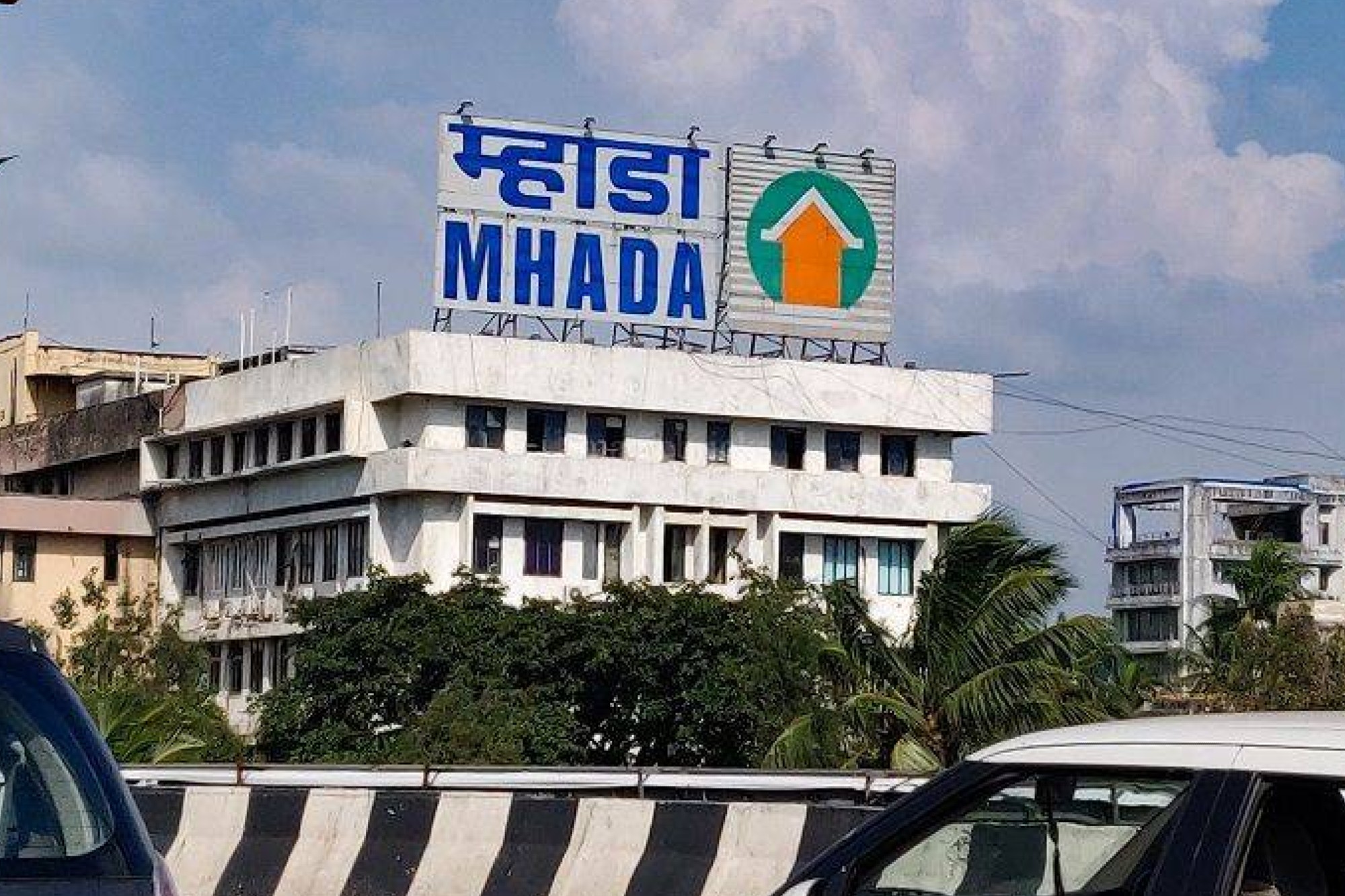

- By Hitesh
- 07 Jan 2026
A New Push for Safer Housing: How IAS Sanjeev Jaiswal Is Driving MHADA’s Structural Audit Mission in South Mumbai
Urban renewal is never just about new buildings. It begins with honest diagnosis. Under the leadership of IAS Sanjeev Jaiswal, Vice President and CEO of MHADA, South Mumbai is witnessing a decisive shift from reactive responses to evidence-based urban governance, with a large-scale structural audit planned for 13,800 aging buildings.
South Mumbai has some of the city’s oldest residential stock, much of it built over 60 to 80 years ago. While these buildings continue to house thousands of families, age, weather exposure, and years of incremental repairs have taken a toll on their structural health. The decision to conduct systematic structural audits is a recognition that safety cannot be assumed, it must be verified.
Why Structural Audits Matter in a Dense City
Mumbai’s housing challenge is unique. Space is limited, density is high, and legacy buildings often operate far beyond their original design life. According to urban housing estimates, nearly 25–30% of South Mumbai’s buildings fall into the “old and dilapidated” category. Any failure in such structures carries disproportionate human risk.
MHADA’s plan to audit 13,800 buildings is therefore not an administrative exercise. It is a preventive safety intervention. Structural audits allow authorities to assess load-bearing capacity, material fatigue, foundation stability, and overall risk, long before visible cracks turn into collapses.
Learning from the Past, Correcting the Process
Earlier, MHADA had initiated action under Section 79(A) to identify and act against unsafe buildings. However, judicial scrutiny made one thing clear: redevelopment and evacuation decisions must be grounded in scientific assessment, not only administrative classification.
Following High Court directions, MHADA recalibrated its approach. Instead of relying on broad categorisation, the authority decided to commission professional structural audits through empanelled private agencies. This shift reflects mature governance, where court guidance is absorbed into policy design rather than resisted.
Scale, Timelines, and Execution
The numbers underline the seriousness of the exercise.
- Total buildings to be audited: 13,800
- First-phase target: ~1,000 buildings
- Buildings already audited: 600+
- Structurally dangerous buildings identified so far: ~15%
- Target completion timeline: December 2025
These figures indicate two things. First, the problem is real. Second, MHADA is choosing to confront it systematically.
The audits will be tendered transparently after the completion of the housing census, ensuring updated data and proper sequencing. Buildings identified as requiring urgent intervention will be prioritised for repairs, while redevelopment decisions will follow due legal process.
IAS Sanjeev Jaiswal’s Governance Lens
What stands out under IAS Sanjeev Jaiswal’s leadership is the emphasis on sequencing and credibility. Structural audits first. Legal clarity next. Redevelopment after that.
This approach avoids panic-driven decisions while ensuring resident safety remains central. It also builds trust. Residents are more likely to cooperate when actions are backed by professional reports rather than blanket notices.
Importantly, this process also aligns with MHADA’s broader redevelopment strategy, where data-driven planning replaces ad-hoc intervention. Structural audits become the foundation on which sustainable redevelopment can stand.
What This Means for Residents
For residents of old buildings, the message is balanced, not alarming. Structural audits do not automatically mean eviction or demolition. In many cases, they lead to targeted repairs that extend a building’s safe life.
Where redevelopment is unavoidable, audit reports provide clarity, helping residents understand why decisions are taken and what options are available. MHADA has consistently advised residents to rely only on official communication and verified reports, avoiding rumours or unofficial claims.
A Larger Urban Lesson
Cities age just like people do. Ignoring that reality leads to crisis management. Acknowledging it leads to preventive care.
MHADA’s decision to audit 13,800 buildings shows how public institutions can address risk without creating fear. It also demonstrates how judicial guidance, administrative capacity, and professional expertise can work together when leadership is willing to adapt.
Conclusion
South Mumbai’s redevelopment story is entering a more responsible phase. Under IAS Sanjeev Jaiswal’s leadership, MHADA is shifting from reactive enforcement to structured diagnosis, from assumptions to evidence.
Structural audits may not make headlines like new housing launches, but they quietly save lives. And in a city like Mumbai, that is governance at its most meaningful.