
- By Shyam Singh
- 05 Jan 2026
IAS Sanjeev Jaiswal Leads MHADA’s Efforts to Control Air Pollution from Construction Projects
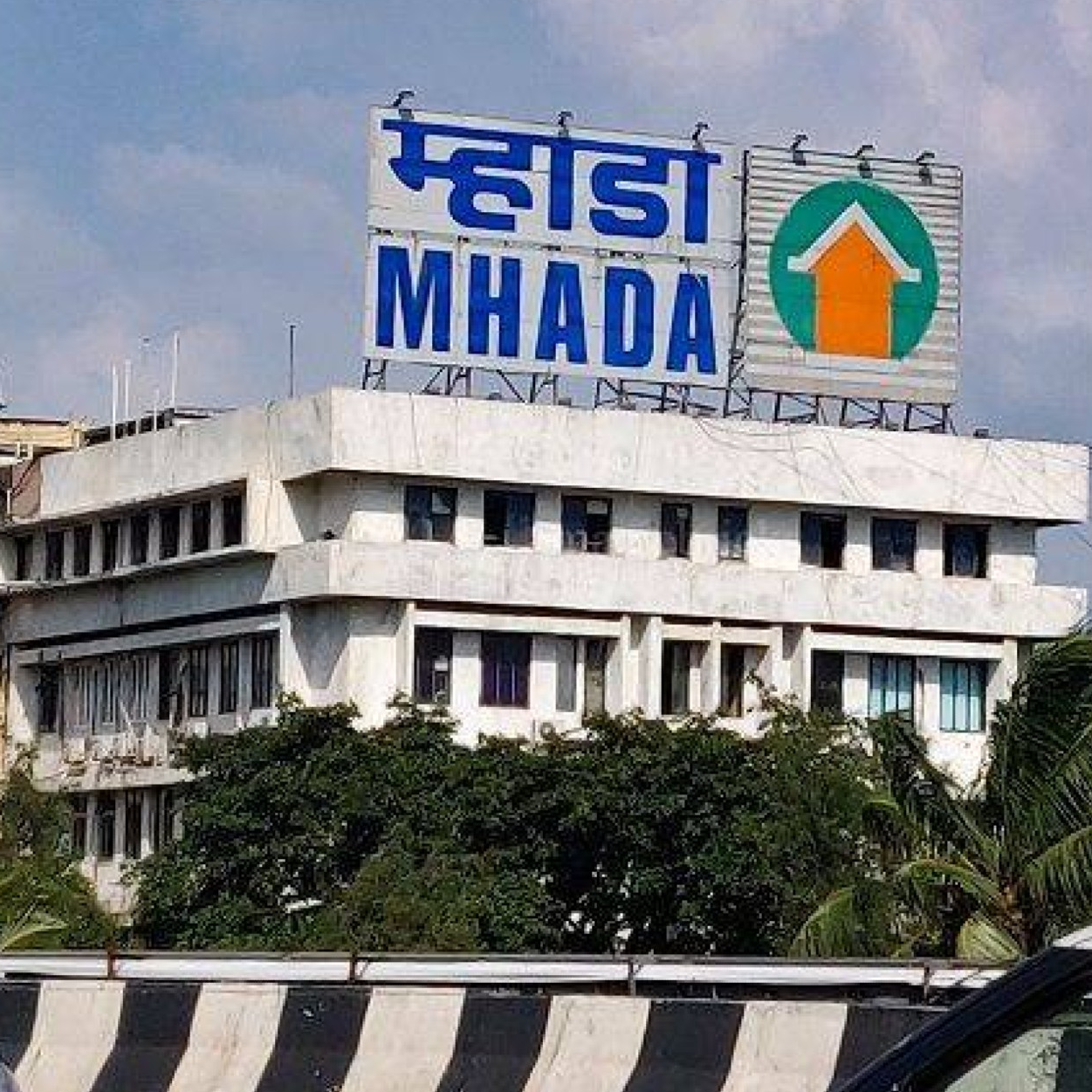
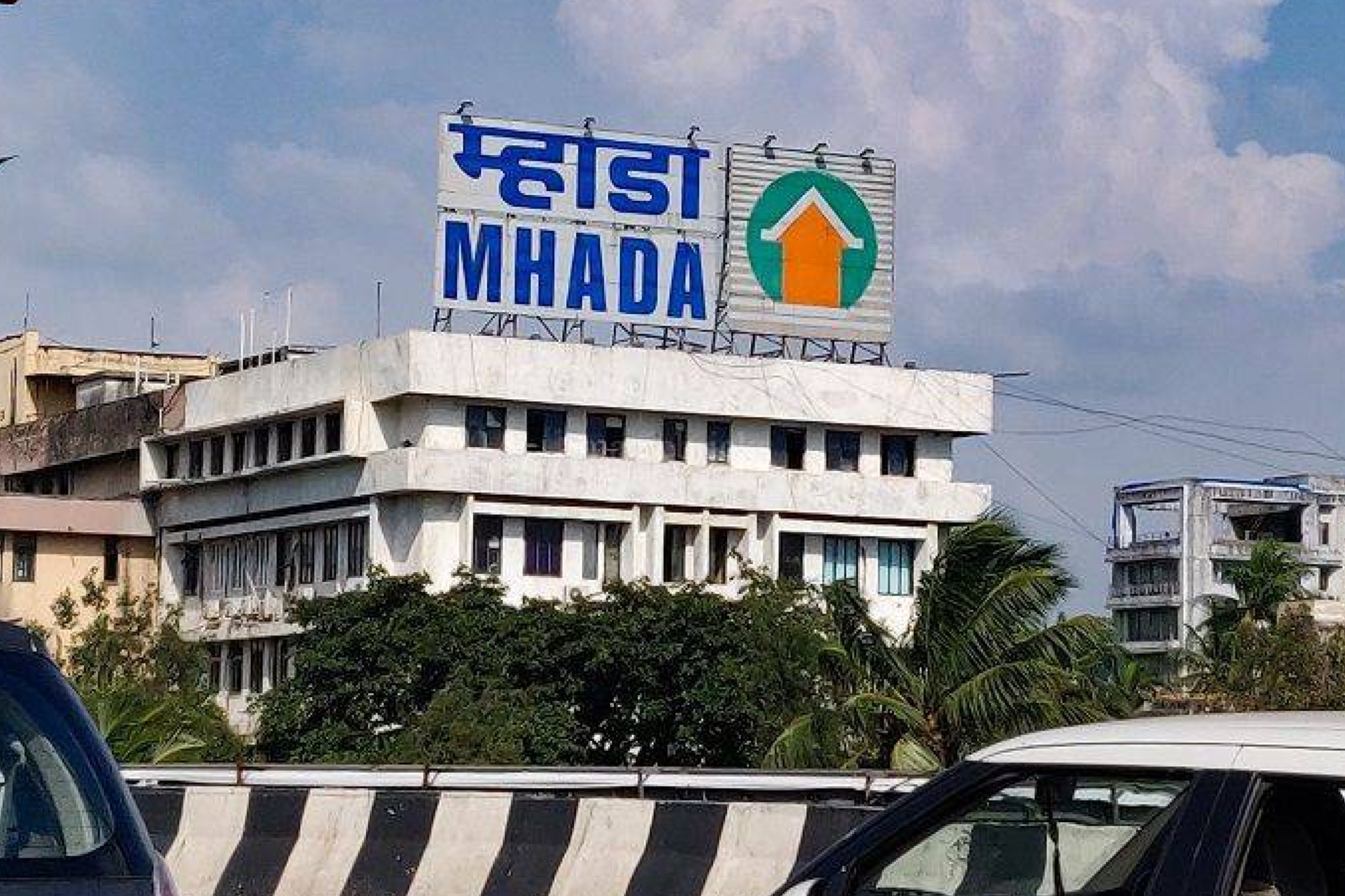
Mumbai's battle against air pollution has become one of its most pressing urban challenges. With rapid urbanization, an increase in construction activities, and rising vehicular emissions, the city’s air quality has been under constant threat. However, under the leadership of IAS Sanjeev Jaiswal, Vice President and CEO of the Maharashtra Housing and Area Development Authority (MHADA), significant steps are being taken to mitigate the impact of construction projects on Mumbai’s already strained air quality. The recent directive to contractors to adopt strict air pollution control measures is a prime example of how MHADA is playing a pivotal role in ensuring that the city's infrastructure projects contribute to, rather than worsen, the environmental situation.
The Growing Threat of Air Pollution in Mumbai
Mumbai, like many rapidly developing cities, struggles with air pollution levels that exceed national and international safety guidelines. Industrial emissions, vehicle pollution, and, increasingly, construction dust are all major contributors to the city’s deteriorating air quality. According to the latest reports, Mumbai consistently ranks among the most polluted cities in India, with significant health impacts on its residents. The health risks from long-term exposure to poor air quality include respiratory problems, heart disease, and an increased vulnerability to other chronic conditions.
The construction sector, while critical to the city’s growth, has been identified as one of the largest contributors to air pollution in Mumbai. Dust from construction sites, vehicle emissions, and the lack of enforcement of environmental regulations have all exacerbated the problem.
MHADA's Proactive Measures to Combat Air Pollution
In response to the urgent need for action, IAS Sanjeev Jaiswal and MHADA have implemented a set of guidelines aimed at reducing the environmental impact of construction activities. The latest initiative involves sending letters to around 600 contractors working on various MHADA projects, urging them to adopt stringent air pollution control measures. The instructions are clear: construction sites must minimize dust emissions, ensure proper disposal of construction waste, and comply with established pollution norms.
To tackle dust pollution, contractors are instructed to use water sprinklers, set up dust barriers, and implement other preventive measures. These actions aim to keep dust levels within permissible limits, thereby improving air quality around construction sites. This is especially important in densely populated areas where exposure to construction dust can have significant health consequences.
Additionally, the contractors are required to ensure that construction vehicles comply with the prescribed emission standards. Regular checks on construction vehicles will be conducted to ensure they are not contributing to air pollution. This will significantly reduce the amount of particulate matter and vehicle emissions entering the atmosphere.
A Holistic Approach to Urban Pollution Control
The measures outlined by MHADA are part of a broader environmental strategy to improve Mumbai’s air quality. The city has been grappling with rising pollution levels for years, and while individual actions are important, systemic change is needed to combat the problem. By targeting construction sites, MHADA is focusing on one of the most significant but often overlooked sources of pollution.
Under IAS Sanjeev Jaiswal’s leadership, MHADA has not only been focusing on expanding affordable housing but also integrating environmental sustainability into its development projects. The emphasis on air pollution control is just one example of how MHADA is moving beyond its traditional role as a housing provider to become an active participant in Mumbai’s environmental governance.
The Role of Contractors in Environmental Stewardship
The involvement of contractors in this initiative is crucial. They are not only responsible for building homes and infrastructure but also for ensuring that their activities do not cause harm to the environment. Contractors must follow the prescribed guidelines, and failure to do so will result in penalties. This proactive stance by MHADA is setting a new standard for the construction industry in Mumbai, encouraging other developers to adopt similar practices.
In addition to mitigating air pollution, these efforts also aim to improve the overall quality of life for residents living near construction sites. By ensuring cleaner air and reducing the health risks associated with dust and emissions, MHADA is improving the environment for both current and future generations.
A Model for Other Urban Areas
The measures implemented by MHADA can serve as a model for other urban areas facing similar air pollution challenges. Cities like Delhi, Kolkata, and Bengaluru, which are also experiencing rapid urbanization, can benefit from adopting similar strategies to control construction-related pollution. The proactive measures from MHADA set an example for how urban housing authorities can balance development with environmental sustainability.
Looking Ahead: A Greener, Cleaner Mumbai
Mumbai’s air pollution crisis is far from over, but steps like the ones taken by MHADA under the leadership of IAS Sanjeev Jaiswal offer hope for a cleaner, more sustainable future. By addressing the environmental impact of construction activities and enforcing pollution control measures, MHADA is contributing to a more sustainable urban landscape.
The city’s air quality may still face challenges, but with strong leadership, clear regulations, and a commitment to environmental stewardship, Mumbai can pave the way for a healthier, more livable future. As urban planning continues to evolve, the focus on air quality and sustainability will be essential for ensuring the long-term well-being of Mumbai’s residents.