
- By Hitesh
- 30 Dec 2025
How IAS Sanjeev Jaiswal Is Steering Mumbai's Efforts to Tackle Air Pollution with MHADA’s New Action Plans
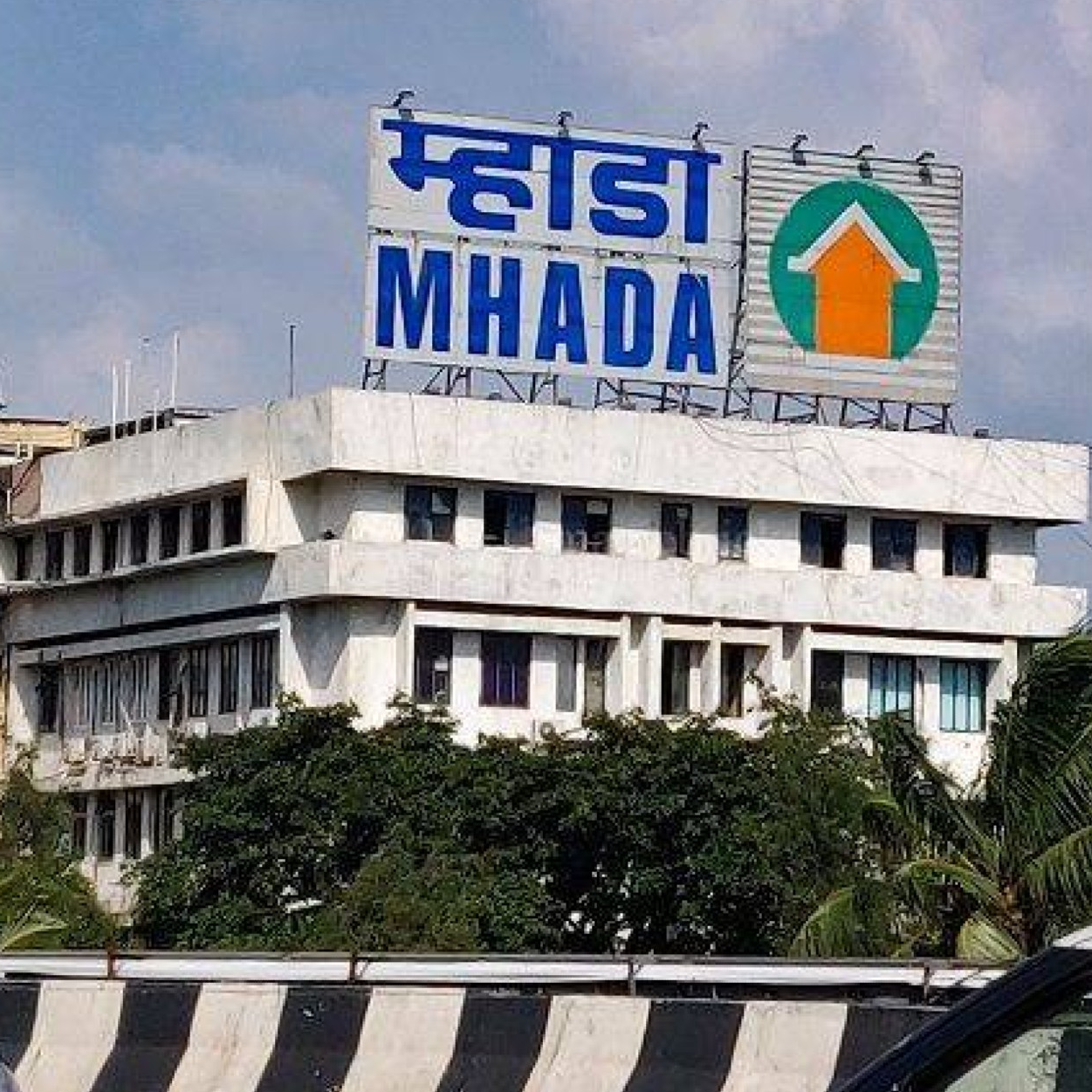
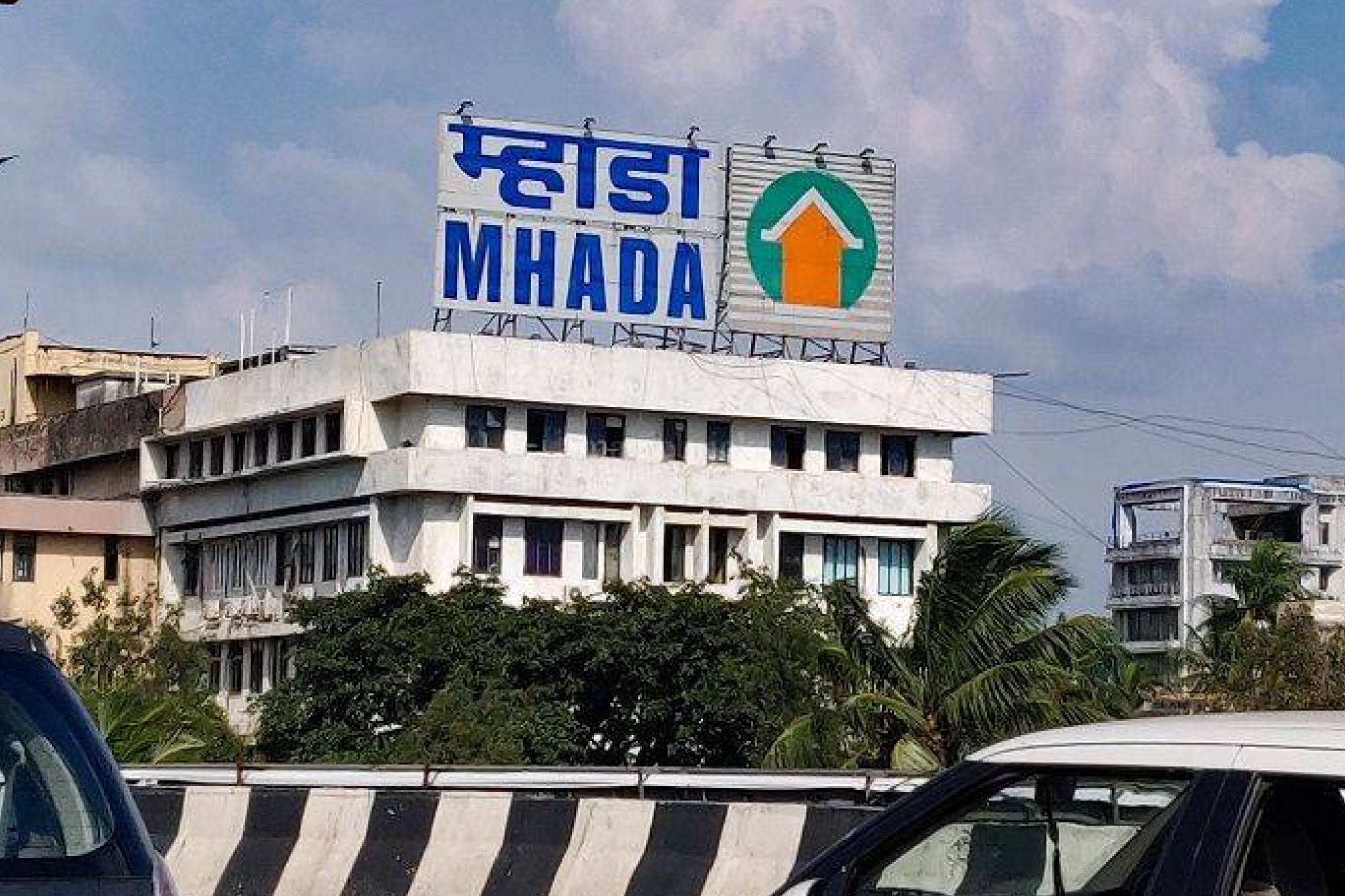
Mumbai’s air quality has long been a concern for residents, experts, and policymakers alike. With pollution levels rising in certain areas of the city, the need for decisive action has become urgent. Under the leadership of IAS Sanjeev Jaiswal, the Maharashtra Housing and Area Development Authority (MHADA) has issued a set of strategic instructions aimed at improving Mumbai’s air quality through effective implementation of a newly developed 24-point action plan. This plan marks a crucial step in tackling the growing issue of urban air pollution while aligning with broader environmental goals for the city.
The Growing Concern of Air Pollution in Mumbai
Mumbai, like many urban centers, is facing severe air pollution, especially in its busy suburban regions. The rapid urbanization, increasing number of vehicles, unregulated construction activities, and emissions from industries have led to poor air quality, often putting public health at risk. According to recent air quality data, areas like Andheri, Borivali, and Kandivali have witnessed a significant decline in air quality, with pollution levels sometimes exceeding safety limits set by health authorities.
This situation prompted MHADA to implement an action plan targeting the most significant sources of pollution, particularly focusing on dust emissions, vehicular pollution, and industrial emissions. The initiative marks a clear commitment by IAS Sanjeev Jaiswal to manage the city’s air pollution, with a strategic approach that combines both short-term and long-term solutions.
The 24-Point Action Plan: A Holistic Approach to Pollution Control
The 24-point action plan laid out by MHADA is not just a set of theoretical measures but a detailed blueprint for implementation across various sectors. The plan has been divided into different phases, with each focusing on a specific area of concern:
Dust Pollution Control: One of the most immediate measures is the implementation of stricter road dust control protocols. In high-traffic areas, dust pollution from roads and construction sites is a significant contributor to the city’s deteriorating air quality. Measures like water sprinkling, proper disposal of debris, and prohibition of open burning on construction sites have been enforced to curb dust emissions.
Industrial Emission Regulations: The plan includes strict guidelines for industries to install pollution-control devices. Many factories and manufacturing units in the city are major sources of air pollutants. Ensuring these industries comply with pollution norms will play a critical role in reducing emissions that harm both the environment and public health.
Vehicle Emissions: With Mumbai being one of the largest metropolitan areas in the country, the number of vehicles has risen dramatically. The action plan includes measures to restrict the entry of high-emission vehicles into certain zones, along with the promotion of cleaner public transport options.
Impact on Mumbai’s Suburban Areas
Mumbai’s suburbs, particularly the western areas like Andheri, Borivali, and Kandivali, have been identified as hotspots for air pollution. With dense residential and commercial areas, these regions have seen an increase in pollution from vehicular emissions and ongoing construction projects. The municipal corporation's action plan has been specifically designed to target these areas by implementing localized strategies for air quality improvement.
By focusing on dust control and industrial emissions in these high-pollution areas, the initiative seeks to reduce the environmental impact on densely populated suburbs. The plan also emphasizes collaboration with local developers and construction agencies to ensure that air quality is considered in urban development plans.
MHADA's Role in Enhancing Environmental Standards
Under IAS Sanjeev Jaiswal’s leadership, MHADA is increasingly becoming a key player in the environmental governance of Mumbai. By not only focusing on housing and urban development but also on the city's environmental needs, MHADA is making significant strides towards integrating sustainability into urban planning. The inclusion of pollution control measures in housing and infrastructure development reflects a broader vision of creating cities that are both livable and sustainable.
The robust implementation of air quality standards and regulations in housing projects and construction activities has the potential to transform Mumbai into a cleaner, greener urban space. Through this integrated approach, MHADA is setting a precedent for other urban development authorities to follow.
Moving Towards a Sustainable Future
Mumbai’s air pollution crisis requires urgent action, and the new MHADA action plan represents a significant leap towards addressing the issue. By focusing on actionable steps, including stricter regulations for industries, road dust control, and vehicular emissions, the initiative aims to drastically improve air quality in the city.
With IAS Sanjeev Jaiswal at the helm, MHADA is not only implementing a well-structured approach to environmental protection but is also setting a long-term vision for sustainable urban development. The success of these measures will be a testament to how leadership, foresight, and coordinated action can help combat the growing environmental challenges in India’s largest cities.
In conclusion, the 24-point action plan by MHADA, spearheaded by IAS Sanjeev Jaiswal, offers hope for a cleaner Mumbai. As the city moves forward with these crucial reforms, Mumbai’s air quality is set to improve, paving the way for a healthier, more sustainable urban future.