
- By Shyam Singh
- 18 Feb 2026
Mumbai Weather on February 17: Warm Day Ahead as Air Quality Shows Early Signs of Recovery
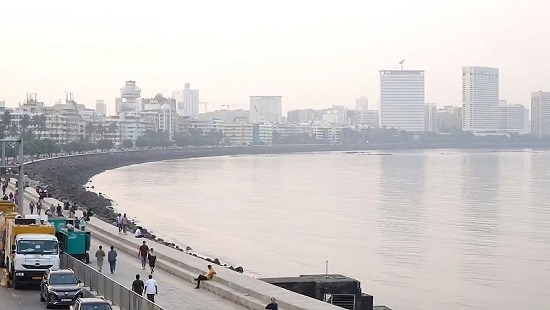
Mumbai: The city began Tuesday, February 17, 2026, under bright sunshine and noticeably warmer conditions, signaling the steady approach of summer. After weeks of fluctuating pollution levels, residents were greeted with clearer skies and improved visibility across several parts of the metropolis.
According to the India Meteorological Department (IMD), Mumbai is expected to experience temperatures ranging between 19°C and 32°C through the day, with partly cloudy skies and intermittent haze likely during the afternoon hours.
Rising Temperatures Mark Seasonal Shift
The early morning felt warmer than usual for mid-February, reinforcing the gradual seasonal transition toward peak summer. The maximum temperature is projected to climb to 32°C, while the minimum settled near 19°C.
Meteorologists suggest that while mornings may still carry mild comfort, daytime heat is expected to intensify in the coming weeks. The combination of sunshine and light haze could create humid conditions by late afternoon, particularly in coastal pockets.
Air Quality Sees Noticeable Improvement
One of the more encouraging developments was the dip in Mumbai’s overall Air Quality Index (AQI). The city recorded an AQI of 105 — categorised as ‘Poor’ — marking a considerable decline compared to recent months when readings frequently hovered at higher levels.
The cleanest air was observed early in the morning around 6 am, when the AQI dropped to 96, placing it in the ‘Moderate’ category.
Best and Worst Air Quality Pockets
Air quality data showed variation across neighbourhoods:
Areas Reporting Moderate AQI
- Gamdevi Station 1: 58
- Vidya Nagar: 60
- Dhakoji Sethpada: 62
- Mazgaon: 70
- Santa Cruz West: 73
These readings fall under the ‘Moderate’ bracket, offering relatively better breathing conditions compared to the citywide average.
Areas Recording High Pollution Levels
However, certain pockets continue to struggle with elevated pollution:
- Om Siddhivinayak: 354 (Severe)
- Louis Wadi: 260 (Unhealthy)
- Rajiv Gandhi Nagar: 220 (Unhealthy)
- Sion Station 1: 207 (Unhealthy)
- Additional pockets recorded readings near 193 (Poor)
These sharp disparities highlight the uneven distribution of air quality across the metropolitan region.
Understanding AQI Categories
As per standard air quality guidelines:
- 0–50: Good
- 51–100: Moderate
- 101–200: Poor
- 201–300: Unhealthy
- Above 300: Severe / Hazardous
Although the overall AQI has declined, Mumbai’s air remains within the ‘Poor’ range, indicating that pollution is still a matter of concern, especially for sensitive groups such as children, senior citizens, and those with respiratory conditions.
Outlook for the Week
Weather experts anticipate continued sunny intervals with occasional haze over the next few days. No major rainfall activity is expected, and temperatures are likely to remain on the higher side for February standards.
While improved visibility has brought temporary relief, environmental experts caution that sustained efforts are needed to maintain better air quality levels across the city.