
- By Medhavini
- 23 Feb 2026
Mumbai–Nashik Highway Traffic Relief: How Saket Bridge Repairs Signal Smarter Urban Planning
Traffic jams are not just about vehicles. They are about lost time, lost productivity, and rising frustration. When a key road slows down, an entire city feels the impact. That is why the recent repair work on the Old Saket Bridge on the Mumbai–Nashik Highway matters far beyond a single flyover.
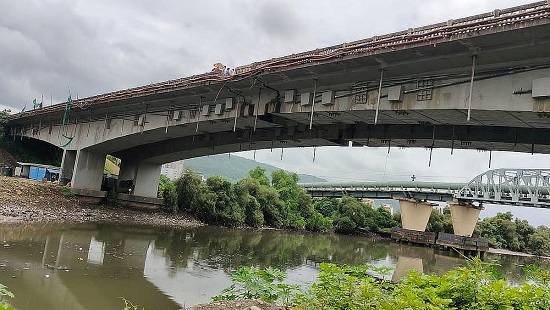
With the New Saket Flyover now open after successful weight testing, authorities have finally started restoring the old bridge. This step may look technical on paper, but in reality, it represents a thoughtful, phased approach to urban infrastructure management.
Why the Mumbai–Nashik Highway Is So Important
The Mumbai–Nashik Highway is one of Maharashtra’s busiest corridors. It connects commercial hubs, industrial belts, and residential clusters. Thousands of commuters, transport vehicles, and heavy trucks use this route daily.
For years, traffic congestion near Thane became a daily struggle. The Old Saket Bridge, in particular, turned into a bottleneck.
The reasons were simple but serious:
- The bridge surface had deteriorated.
- Approach roads were incomplete.
- Lanes were narrow, restricting heavy vehicles.
- Peak-hour traffic would often come to a standstill.
In growing cities, small infrastructure weaknesses create big systemic problems. This was a classic example.
The Turning Point: Opening of the New Saket Flyover
Before starting repairs on the old bridge, authorities needed an alternative route. That alternative came in the form of the New Saket Flyover.
After detailed weight testing using heavy dumpers, engineers confirmed the structure’s safety. Once cleared, it was opened to traffic. This allowed vehicles heading toward Nashik to use the new structure while repair work began on the older one.
The project is being handled by the Maharashtra State Road Development Corporation, which has outlined a clear timeline:
- Repair work on the Nashik-bound lane has started.
- The restoration is expected to take about one month.
- After completion, the old bridge will reopen fully.
- The next phase will include work on the Kharegaon Underpass.
This is not random patchwork. It is structured sequencing.
What This Means for Daily Commuters
For commuters between Thane and Nashik, the immediate benefit is smoother traffic flow. But the deeper benefit lies in predictability.
When congestion reduces:
- Travel time becomes stable.
- Fuel costs decline.
- Stress levels fall.
- Commercial transport efficiency improves.
Infrastructure is not only about concrete and steel. It is about time management for a city.
If these repairs are completed before the monsoon, the administration will have prevented the usual seasonal chaos. Waterlogging combined with weak road surfaces often worsens congestion. Addressing structural issues beforehand reflects preventive planning rather than reactive management.
A Lesson in Urban Governance
Urban growth in India is rapid. Highways built decades ago now carry traffic volumes that planners never imagined. The Saket Bridge situation highlights three important governance principles:
- Phased Execution – Opening the new flyover before repairing the old one avoided complete disruption.
- Technical Validation – Weight testing ensured safety before public use.
- Time-Bound Delivery – A one-month repair window shows intent to move quickly.
Infrastructure reform is rarely glamorous. But it is foundational.
Cities do not become efficient because of one grand project. They improve through a series of practical, well-timed interventions.
The Bigger Picture
Traffic congestion affects economic productivity. Delays on a major route like the Mumbai–Nashik Highway can slow supply chains and daily workforce movement.
By addressing the Old Saket Bridge issue systematically, authorities are not just fixing a structure. They are unclogging an economic artery.
If the upcoming Kharegaon Underpass work follows similar discipline, the cumulative impact could be significant.
Conclusion
The repair of the Old Saket Bridge may seem like a local civic update. But in reality, it represents something larger — a shift from temporary fixes to structured infrastructure planning.
For commuters who have spent years stuck in traffic near Thane, even a 20-minute reduction in travel time will feel transformative.
Good governance often shows itself in reduced inconvenience.
And sometimes, the most powerful reform is simply the removal of a bottleneck.