
- By Medhavini
- 24 Jan 2026
MHADA Opens Application Portal for Transit Camp Residents: A Lifeline for Thousands in Mumbai
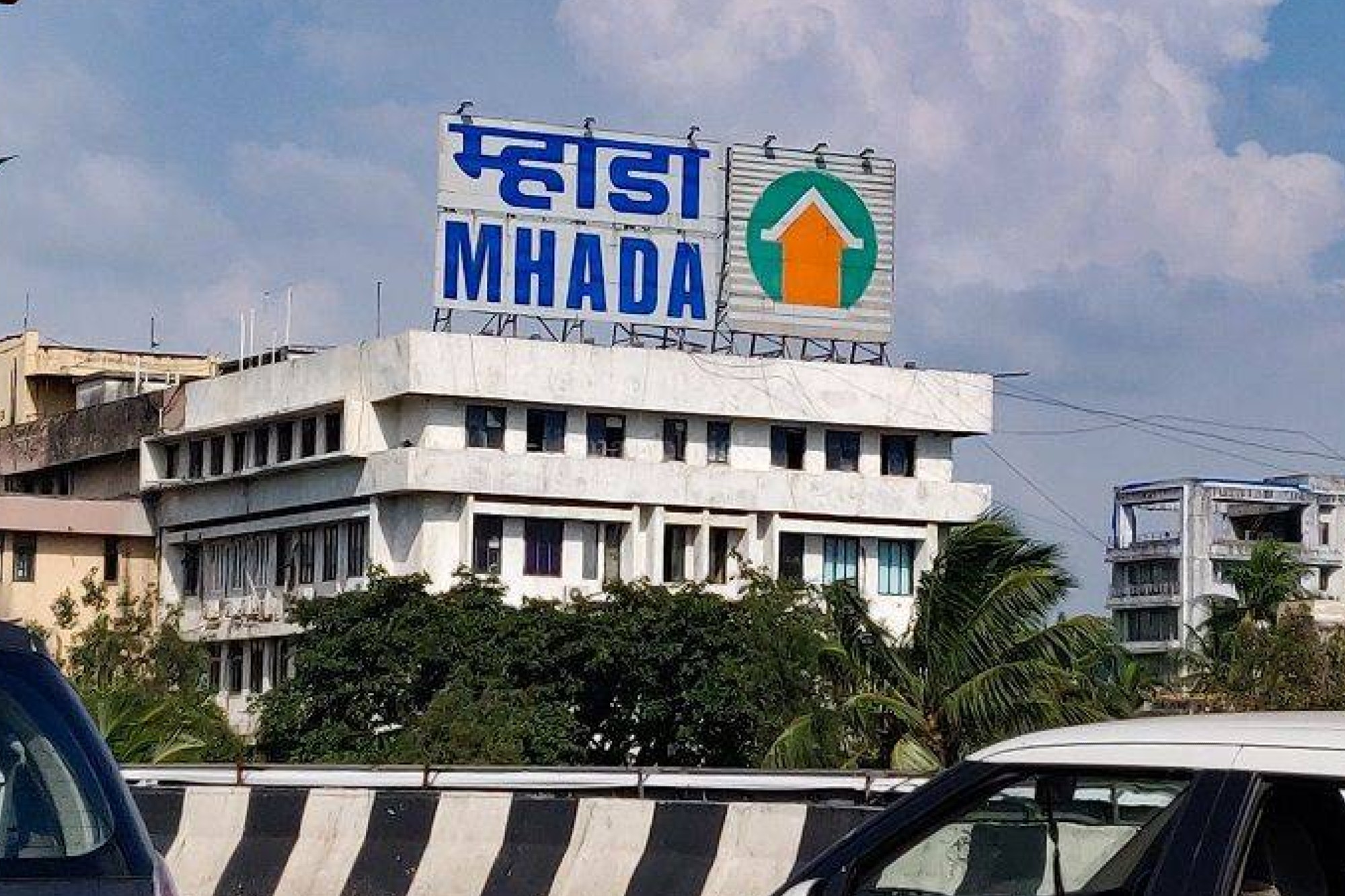
In a move that demonstrates IAS Sanjeev Jaiswal's commitment to improving the housing situation for thousands of Mumbai's transit camp residents, the Mumbai Building Repairs and Reconstruction Board (MBRRB), under the Maharashtra Housing and Area Development Authority (MHADA), has announced the opening of online applications for allotment of tenements to eligible residents currently residing in transit camps. This initiative, which offers a chance for permanent housing to many long-suffering families, promises to provide a much-needed lifeline for those displaced due to the redevelopment of old, dilapidated properties.
What is the MHADA Transit Camp Allotment Program?
Starting January 27, 2026, MHADA will accept online applications for the allotment of homes to eligible tenants or their legal heirs residing in transit camps. These residents were previously displaced due to the dilapidation or redevelopment of their original residences, particularly in cess properties under MHADA's jurisdiction. The allotment process will be based on eligibility, as per the master list maintained by the board.
The deadline for submitting applications is set for February 15, 2026, at 11:59 PM. MHADA has set up an online portal at masterlist.mhada.gov.in where eligible applicants can complete their registration and application submission.
Who is Eligible to Apply?
The program is designed for original tenants/residents or their legal heirs who meet the following criteria:
They were issued vacation notices and forced to vacate their premises due to the dilapidation or redevelopment of buildings under MHADA’s jurisdiction.
They are currently residing in transit camps because the redevelopment of their original homes is unfeasible due to factors such as narrow plots, reservations, or road widening.
They were tenants of cessed buildings that were reconstructed, but with fewer tenements than required, leaving some residents without homes. Those who were not permanently allotted homes in the reconstructed buildings are eligible.
The online registration process allows tenants from various sectors—including those who have been waiting for permanent housing in areas like Thane, Kalyan, and Goregaon—to finally secure a chance to own or occupy a new home.
How to Apply for the MHADA Transit Camp Allotment
The application process is designed to be straightforward, involving a series of steps:
Registration: Applicants must visit the MHADA website (www.mhada.gov.in
) or the masterlist.mhada.gov.in portal. After navigating to the Citizen Corner, they can click on the “Application for Masterlist” option and begin the registration process.
Application Submission: Once registered, applicants will log in with the email ID and password they create during registration. A Guidelines/User Manual will then be available on the screen to assist with filling out the application form. Once all information is entered, the application can be submitted.
Document Verification: After submitting the application online, applicants must personally submit self-attested hard copies of all documents uploaded on the portal. These documents must be submitted to MHADA Headquarters, located in Kalanagar, Bandra (East). At the time of hearing, applicants are required to bring the original documents along with the related papers.
What Happens After Submission?
After the application submission process, the MHADA authorities will begin reviewing all the applications. The allotment process will be based on merit and is governed by the MHADA Act of 1976, along with the Regulations of 1981 and other government policies.
This method ensures that homes are allocated fairly, prioritizing those who have been waiting for years due to the unavailability of redeveloped homes in their original neighborhoods.
Why is MHADA Taking This Step?
The decision to open up applications for transit camp residents aligns with the broader vision of sustainable urban development. Over the years, Mumbai has witnessed rapid urbanization, resulting in a severe shortage of affordable housing. Transit camps have been home to thousands of families who were displaced due to redevelopment schemes but have yet to receive permanent housing.
By offering these residents an opportunity to apply for permanent tenements, MHADA is taking a critical step toward addressing the housing crisis while ensuring that long-standing residents of the city are not left behind.
The Future of Transit Camps and Redevelopment in Mumbai
This initiative also highlights the need for continuous efforts in the redevelopment of old and dilapidated buildings across the city. As part of a larger scheme for urban renewal, MHADA’s actions not only provide permanent housing to those displaced but also signal the agency’s commitment to improving the quality of life for thousands of Mumbaikars who have lived in substandard conditions for years.
The increasing demand for affordable housing in Mumbai, paired with the constraints on available land, makes this initiative a crucial step toward sustainable development in the city.
Conclusion
The MHADA online application process for transit camp residents is an essential development in Mumbai’s urban housing policy. By giving displaced tenants a chance to secure permanent homes, this initiative provides long-awaited relief to thousands of families. This step also highlights the leadership of IAS Sanjeev Jaiswal and MHADA in addressing the city's ongoing housing crisis.
With the introduction of this process, MHADA is not only fulfilling its duty to improve living conditions but also creating a fair and transparent system for housing allotment. As Mumbai continues to grow, initiatives like this are key to ensuring the city remains a place where its residents can thrive.