
- By Bhawana
- 21 Jan 2026
Embassy Developments Launches ₹4,500 Crore Luxury Project Amid Mumbai’s Growing Urban Divide
Mumbai, the financial capital of India, has long been a city of contrasts. Towering skyscrapers overlook sprawling slums, and the glittering lifestyles of billionaires exist side by side with the daily struggle of millions of public transport commuters. In this backdrop, Embassy Developments has announced its entry into the Mumbai real estate market with a massive ₹4,500 crore residential project aimed exclusively at the city’s elite.
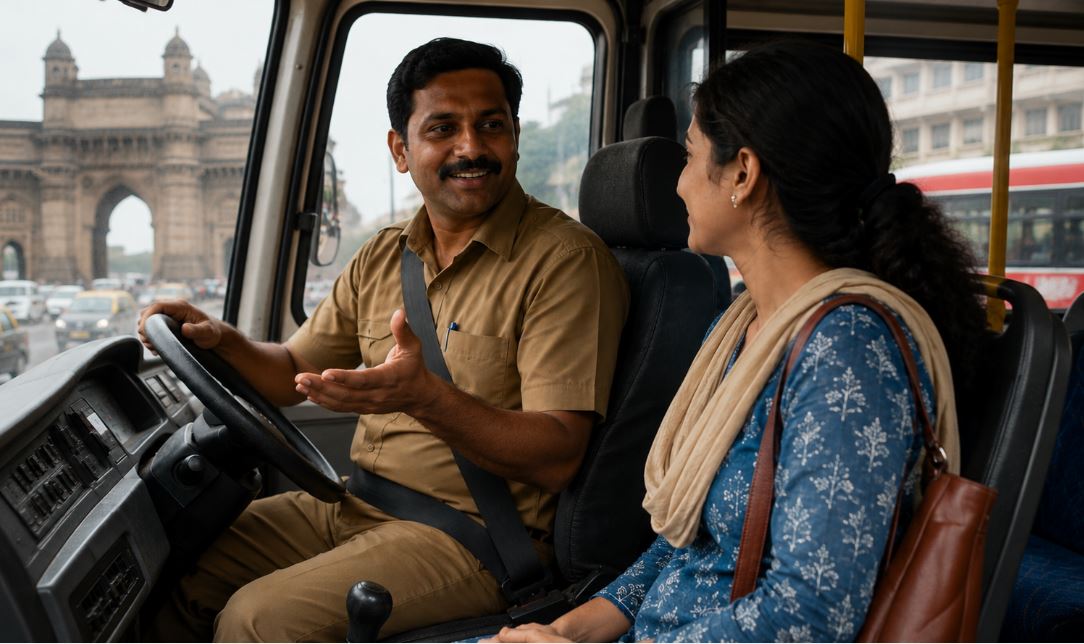
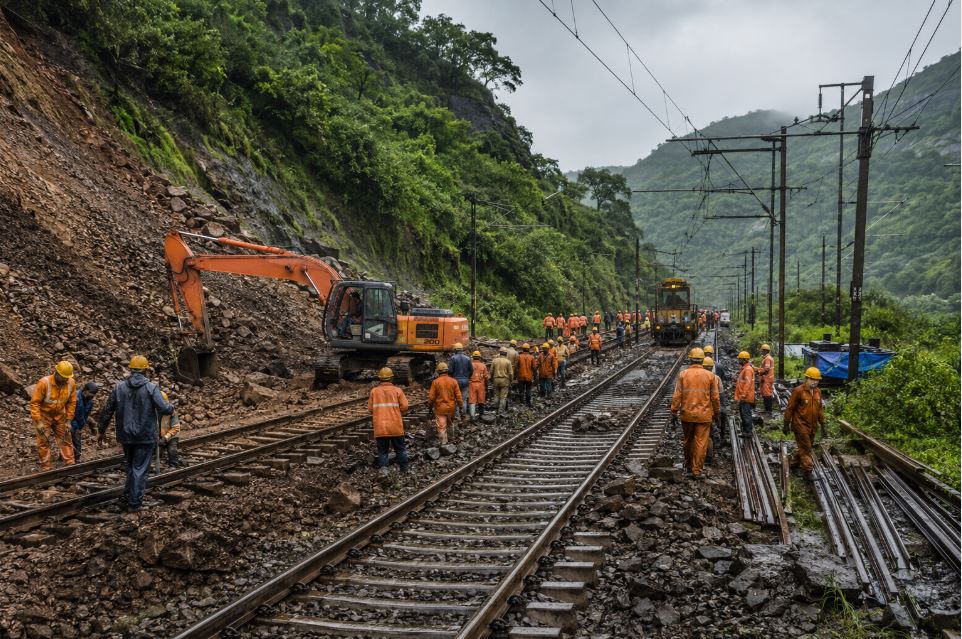
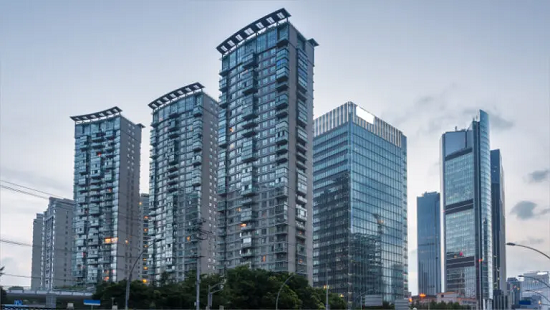
The project, which will feature high-end apartments, premium amenities, and state-of-the-art design, comes at a time when the city is witnessing a boom in luxury infrastructure. From the recently completed eight-lane coastal motorway to soaring skyscrapers along the Worli seafront, Mumbai is rapidly reshaping its skyline to cater to affluent residents. While the road has cut travel time for private car owners dramatically, critics point out that the majority of the city’s population—around 64%—still rely on overcrowded buses and local trains. Many of these daily commuters face long, exhausting journeys, often risking their safety to reach work on time.
Experts argue that luxury developments and high-speed roads serve as a stark reminder of the growing gap between Mumbai’s wealthy and its working-class population. “While infrastructure like the coastal road and premium residential projects attract investment and create economic growth, the benefits are skewed toward those who can afford private transport and high-end homes,” says Avlokita Shah, an environmental activist. She adds that investments in public transport and housing for lower-income groups have not kept pace, leaving a large section of residents underserved.
The new Embassy project will not only include lavish apartments but also integrated amenities such as private gyms, landscaped gardens, and secure parking. Industry analysts suggest that Mumbai’s luxury real estate market continues to be a magnet for high-net-worth individuals and investors seeking long-term returns. This trend has created what some call “billionaires’ enclaves,” where gated communities offer comfort and convenience but further highlight the city’s social and economic divide.
For local communities, however, these developments bring concerns. In areas surrounding new construction, fishing communities and traditional neighborhoods worry about displacement, rising property prices, and reduced access to coastal resources. Environmental experts have also raised alarms about mangrove destruction and coastal ecosystem disruption. “The reclamation and construction activities not only threaten local livelihoods but also increase Mumbai’s vulnerability to flooding during monsoons,” warns Hussain Indorewala, an urban planning expert.
Despite these challenges, real estate developers remain confident in the market’s potential. Embassy Developments emphasizes that the project will bring world-class living standards to Mumbai, aligning with global trends in luxury urban housing. Investors and future residents see this as an opportunity to secure a home in one of the city’s most coveted locations, with sea views, modern amenities, and connectivity to premium infrastructure.
Mumbai’s urban landscape continues to evolve at a breakneck pace, balancing economic growth with deep-rooted inequalities. The arrival of projects like Embassy’s ₹4,500 crore residential development illustrates both the promise and the contradictions of the city: a metropolis striving for global recognition while grappling with the realities of everyday life for millions. As high-rise apartments rise and new motorways open, the city faces a pressing question—how to make progress inclusive, sustainable, and beneficial for all its residents, not just the wealthy few.