



- By Bhawana
- 06 Aug 2026
Maharashtra to Create Special Benches for Faster Resolution of Waqf Land Record Disputes Across the State
Government Targets Quicker Action on Disputed Waqf Land Entries and Land Ownership Cases
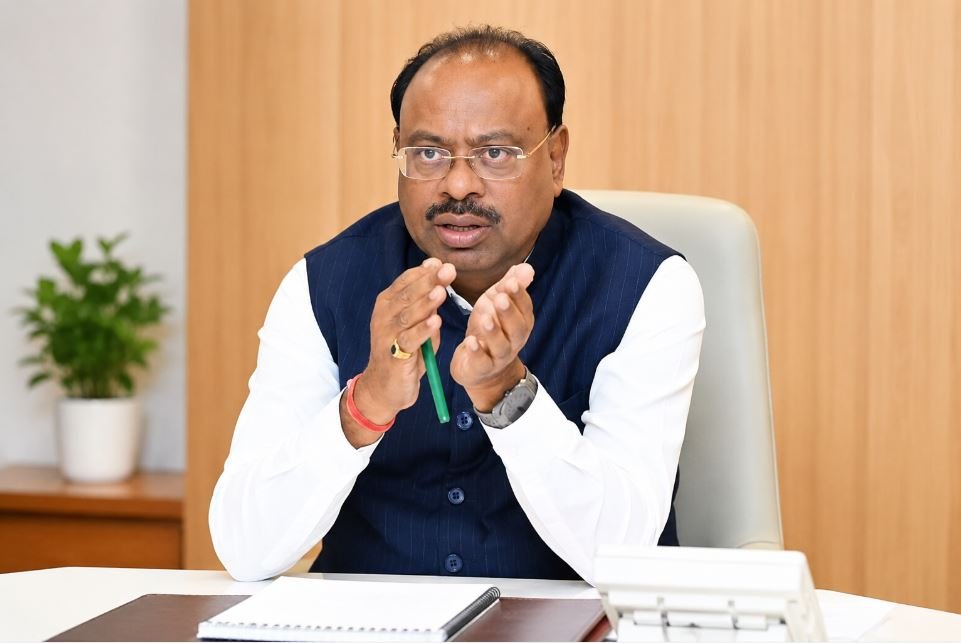
Maharashtra has announced a new initiative to speed up the resolution of disputes involving Waqf Board entries on privately owned and ancestral lands. Revenue Minister Chandrashekhar Bawankule has directed the formation of special benches under every Divisional Commissioner to ensure faster, transparent, and legally compliant handling of such cases across the state.
The decision was announced during a review meeting held at Mantralaya, where the minister emphasized the need for a uniform approach to resolving land record disputes while protecting the rights of lawful landowners.
Special Benches to Review Land Records and Ensure Timely Decisions
According to the Revenue Department, the newly formed special benches will examine disputed land records, verify ownership details, and determine whether Waqf Board entries comply with existing laws. The goal is to provide faster resolutions and reduce delays in long-pending land-related cases.
Bawankule instructed officials that if any Waqf land entries are found to be unauthorized after legal verification, they should be removed in accordance with the law. He also directed authorities to initiate appropriate legal proceedings wherever necessary.
The move is expected to create a consistent process for resolving similar disputes across different regions of Maharashtra.
Nashik Case Highlights Need for Statewide Action
During the meeting, the minister reviewed a case involving alleged Waqf Board entries on land owned by tribal farmers in Darebhangi village of the Kalwan-Surgana Assembly constituency in Nashik district.
The meeting was attended by MLA Nitin Pawar, while the Nashik District Collector joined through video conferencing to provide updates on the matter.
Officials discussed the current status of the land records and the steps required to ensure a lawful and timely resolution.
Government Says Similar Land Disputes Have Emerged Across Maharashtra
The Revenue Minister stated that disputes related to Waqf Board land entries are not limited to Nashik and have been reported from several other districts across Maharashtra.
To ensure consistency in handling these cases, the state government has decided that each Divisional Commissioner will oversee a dedicated special bench responsible for reviewing disputes within their respective divisions. This centralized approach aims to improve coordination and reduce the time taken to resolve complex land ownership issues.
Focus on Tribal Land Rights and Revenue Administration
Apart from Waqf-related matters, Bawankule also reviewed pending issues concerning Aakari fallow lands in Dhaner Digar, Kharde Digar, and Punad Nagar villages. He instructed officials to speed up the process of restoring eligible lands to their original landowners wherever legally applicable.
The minister further directed the Revenue Department to prepare a proposal for funding and constructing a new Revenue administrative building in Surgana, an aspirational taluka, to strengthen local administrative services.
Revenue Department Asked to Work Toward Zero Pendency
Reaffirming the government's commitment to improving public services, Bawankule called on the Revenue Department to achieve "zero pendency" in handling land-related cases. He stressed that citizens should not have to make repeated visits to government offices for unresolved matters.
The minister also instructed officials to give top priority to cases involving the land rights of tribal communities and ensure that they are resolved within prescribed timelines through an efficient and transparent administrative process.
A Step Toward Faster and More Transparent Land Governance
The creation of special benches reflects Maharashtra's broader effort to improve land administration, strengthen legal scrutiny of disputed land records, and deliver quicker resolutions for citizens. By introducing a dedicated mechanism for handling Waqf land entry disputes and prioritizing tribal land rights, the government aims to enhance transparency, reduce administrative delays, and improve confidence in the state's land governance system.