



- By Shyam Singh
- 18 Sep 2026
Mumbai Redevelopment Pipeline Could Unlock 59,000 Homes Worth ₹1.5 Lakh Crore by 2031
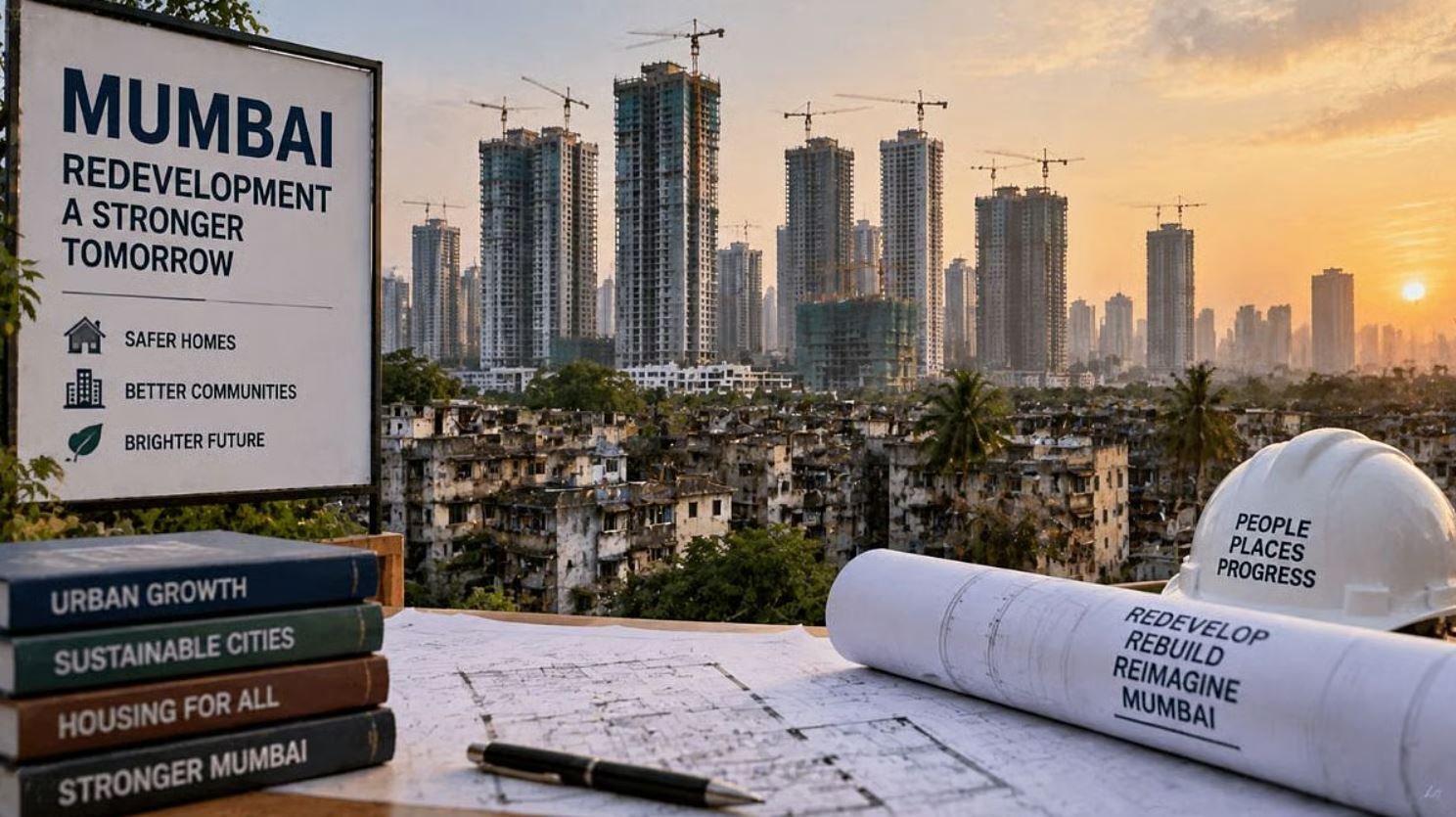
Mumbai’s redevelopment market is emerging as a major source of future housing supply, with nearly 59,000 new homes potentially entering the market by 2031, according to Knight Frank data. The potential value of this redevelopment pipeline is estimated at around ₹1.5 lakh crore.
With more than 70% of Mumbai’s land already developed, the city has limited opportunities for large-scale greenfield projects. As a result, redevelopment is becoming increasingly important for developers looking to expand their presence in the city while meeting the demand for modern housing.
More Than 1,000 Development Agreements Signed
Knight Frank data shows that 1,094 development agreements covering approximately 432 acres were signed between January 2020 and March 2026.
These agreements highlight the growing importance of redevelopment in Mumbai’s real estate market. The projects could potentially create nearly 59,000 homes over the coming years, giving developers access to established locations with existing infrastructure and strong housing demand.
The trend is also changing how national real estate companies approach Mumbai. Instead of depending only on outright land purchases, developers are increasingly considering joint ventures, society redevelopment projects, landowner partnerships and structured development agreements.
These models can help developers access well-located properties while reducing the need for large upfront investments. They can also provide valuable local knowledge and support when dealing with Mumbai’s complex development process.
Redevelopment Can Improve Existing Communities
Rajat Khandelwal, Group CEO of Tribeca Developers, said redevelopment should be viewed as more than replacing old buildings. He noted that it can create safer, more resilient and better-planned communities while improving living conditions for existing residents.
Redevelopment can provide residents with larger homes, improved construction quality and modern amenities. It also allows families to remain connected to their established neighborhoods while moving into safer and more comfortable housing.
For a land-constrained city such as Mumbai, renewing existing housing stock can play an important role in meeting changing urban needs. Khandelwal also highlighted that the success of the redevelopment framework will depend on timely implementation, efficient approvals and coordination among stakeholders.
National Developers Look Toward Established Mumbai Markets
Rupam Dey, Head of Marketing Communication & Brand at Hubtown Limited, said the shortage and rising cost of greenfield land is making redevelopment an important entry route for national developers.
According to Dey, opportunities involving the Slum Rehabilitation Authority, society redevelopment and cluster-based projects can give developers access to established micro-markets, existing communities, infrastructure and proven demand.
He said the Mumbai market requires more than financial resources. Developers also need local market knowledge, stakeholder management, institutional credibility and the ability to build agreement among different groups.
This is leading to a shift in the way national developers view Mumbai. The focus is increasingly moving from simply acquiring land to unlocking the potential of existing properties and creating stronger relationships with local stakeholders.
High Costs and Approvals Remain Key Challenges
Despite the large redevelopment opportunity, Mumbai remains a complex market for real estate companies.
High land prices, complicated approval procedures, rehabilitation requirements, fragmented ownership and long project timelines can affect project costs and returns. Developers must also respond to changing buyer expectations, including demand for larger homes, better design, modern amenities and convenient access to established business and lifestyle destinations.
These factors mean that entering Mumbai is not only about having sufficient capital. Developers need a business model that can work effectively within the city’s unique real estate environment.
Redevelopment Could Shape Mumbai’s Next Growth Cycle
As premium housing demand continues to expand and redevelopment opens up new development opportunities, Mumbai is becoming an important market for developers with strong financial resources and established brands.
The potential addition of nearly 59,000 homes worth around ₹1.5 lakh crore shows the scale of opportunity within the city’s existing housing stock.
For developers, the challenge will be to combine financial strength with local market understanding, efficient execution and strong stakeholder relationships. As Mumbai continues to face limited land availability, redevelopment is likely to remain an important part of the city’s future housing and real estate growth.