



- By Diya Sogani
- 05 Sep 2026
Mumbai 3.0 Takes Shape: Maharashtra Unveils New Growth Corridors, Redevelopment Plans and AI-Led Development
Maharashtra Sets Long-Term Vision for Mumbai and MMR
Maharashtra is preparing for a major new phase of urban growth, with redevelopment, large infrastructure projects, new economic corridors and advanced technology expected to reshape Mumbai and the wider metropolitan region.
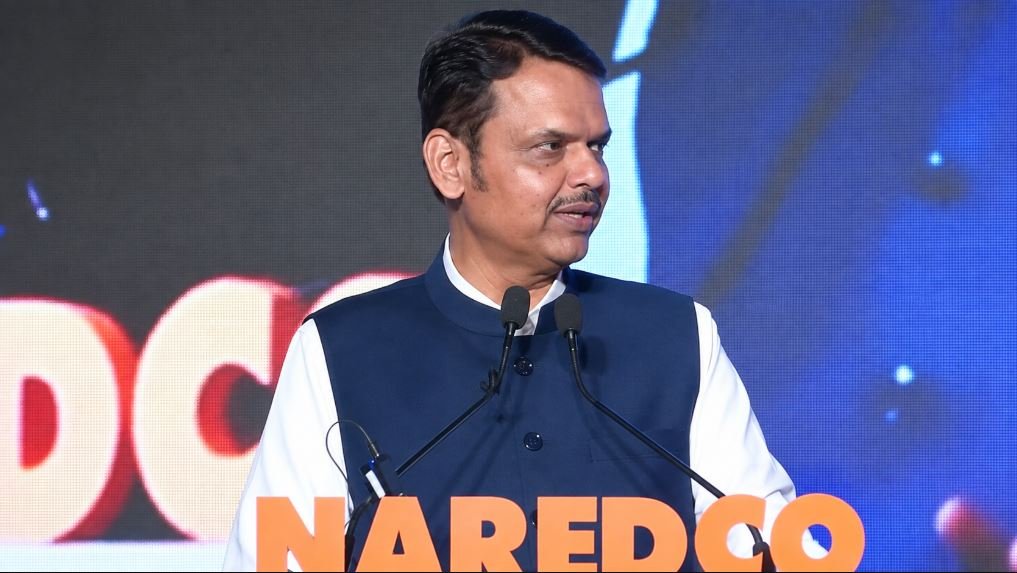
Chief Minister Devendra Fadnavis outlined the State’s long-term development vision while addressing the 6th edition of the Real Estate & Infrastructure Investors’ Summit, REIIS 2026, in Mumbai. He said the government wants the real estate and infrastructure industry to play a major role in building Maharashtra’s next generation of cities and economic centers.
The State is targeting a $1.5 trillion economy for the Mumbai Metropolitan Region by 2047, supported by planned urbanization, improved connectivity, redevelopment and technology-driven growth.
Maharashtra Economy Grows 8.8% as Real Estate Gains Momentum
Fadnavis highlighted Maharashtra’s strong economic performance, noting that the State recorded 8.8% growth, compared with India’s 7.6% growth in the first quarter.
Mumbai’s property market has also shown strong activity. In August 2026, around 12,500 property registrations were recorded, the highest monthly figure so far. Total registrations have crossed 1.06 lakh, generating nearly ₹9,355 crore in government revenue.
The Chief Minister said the strong performance reflects the growing importance of the real estate sector across the Mumbai Metropolitan Region and the need to give Mumbai a new urban identity.
Redevelopment to Drive Mumbai’s Next Transformation
Redevelopment is expected to become one of the biggest drivers of Mumbai’s urban transformation.
The State government plans to use a cluster redevelopment model to transform older and densely populated areas. Fadnavis said the roadmap is already in place and work has started on the ground, with the goal of making Mumbai largely slum-free over the next decade.
Dharavi Redevelopment Targets 10,000 Homes
Dharavi remains a major focus of the redevelopment strategy. The government aims to have 10,000 rehabilitation homes ready by January 2029 for eligible residents.
The cluster approach could also create new opportunities in old MHADA layouts and other aging settlements. By redeveloping these areas in a planned manner, the government expects to make better use of valuable urban land while improving housing and infrastructure.
BEST Depot Redevelopment to Create Mixed-Use Urban Spaces
The State is also exploring comprehensive redevelopment of BEST depot properties.
The proposed model could combine transport facilities with residential and commercial development, along with museums, recreational spaces and other public attractions.
According to Fadnavis, the redevelopment could provide BEST with a new revenue source while helping improve Mumbai’s public transportation network and surrounding urban areas.
The government has also encouraged private developers to participate in these projects.
Mumbai 3.0 Has Already Begun
Fadnavis said major projects that were once considered part of Mumbai’s future, including the coastal road, metro network and airport infrastructure, are now moving into the delivery stage.
He described this transformation as “Mumbai 3.0”, saying the next phase will go beyond traditional infrastructure development.
New urban centers such as Education Cities, Medi-cities and Innovation Cities are expected to support new businesses, employment opportunities and investment while creating a more diversified economic ecosystem.
Uttan-Virar Sea Link to Open New Northern Growth Corridor
One of the key upcoming connectivity projects is a proposed 24-kilometer sea link between Uttan and Virar.
The project is expected to support signal-free connectivity from Nariman Point toward Virar when combined with the planned coastal road expansion.
The State is also working on plans for a third airport in the Virar region. The Detailed Project Report is expected to be ready by the end of 2026.
Together, these projects could create a new growth corridor in northern Mumbai and support the development of new residential, commercial and economic centers.
Vadhavan Port to Strengthen Maharashtra’s Blue Economy
The upcoming Vadhavan Port is another major part of Maharashtra’s long-term economic strategy.
The deep-draft port is being developed with significantly higher cargo-handling potential and is expected to strengthen Maharashtra’s position in global maritime trade.
The project is also expected to create jobs and support economic activity in Palghar and Thane.
Fadnavis outlined a broader vision for connecting Vadhavan Port with Nashik and further through the Samruddhi Mahamarg toward Jalna, Wardha and dry ports extending up to Gadchiroli.
The proposed network could help spread port-led economic development beyond the Mumbai region and into the interior parts of the State.
New Airports in Pune and Nagpur to Support Investment
The government is also focusing on airport-led development.
Fadnavis described Nagpur as one of Maharashtra’s fastest-growing cities and highlighted the development of New Nagpur, where land acquisition and planning are underway for a modern economic ecosystem.
For Pune, he said work toward a new airport is expected to begin this year, with the tender process likely to move forward soon.
Pune’s growing presence of Global Capability Centres, or GCCs, is also creating additional demand for office space and supporting real estate development.
Mumbai-Pune Quantum Corridor Could Boost Technology Growth
Technology is set to become another major pillar of Maharashtra’s development strategy.
Fadnavis proposed developing the Mumbai-Pune corridor as a “Quantum Corridor”, with a focus on advanced technology, Global Capability Centres and innovation-driven businesses.
The initiative is expected to create new opportunities for commercial real estate while positioning Mumbai and Pune as stronger technology and business hubs.
AI Expected to Change the Future of Jobs
The Chief Minister also highlighted the growing impact of artificial intelligence on Maharashtra’s workforce.
With a large young population, the State is preparing for rapid changes in technology and employment. Fadnavis said the nature of 70% of jobs could change because of AI within the next 1,000 days.
The government is also working to introduce AI into approval systems and other government processes. The objective is to make decision-making faster, improve efficiency and create more technology-driven governance.
MSRTC Plans Redevelopment of 140 ST Depots
In another session at REIIS 2026, Maharashtra Transport Minister Pratap Sarnaik announced plans to invite tenders within the next three months for the redevelopment of 140 MSRTC bus depots into modern Bus Ports.
The Maharashtra Cabinet approved the initiative on July 14, 2026.
The project is expected to open significant opportunities for private developers and infrastructure companies. Sarnaik said private participation could help unlock around 13,000 to 14,000 acres of MSRTC land for development.
The proposed Bus Ports could combine modern passenger facilities with commercial and allied developments, creating integrated transportation hubs across the State.
Private Sector to Play Bigger Role in Maharashtra’s Growth
The announcements at REIIS 2026 point toward a broader shift in Maharashtra’s development strategy, with the government looking to work closely with private developers and investors.
From Mumbai redevelopment and new sea links to airports, ports, Bus Ports, technology corridors and AI-based governance, the State is building a wider development ecosystem aimed at supporting housing, infrastructure, jobs and investment.
The government’s message to the real estate and infrastructure industry is clear: Maharashtra’s next growth phase will focus not only on building more projects, but also on creating connected, technology-driven and economically stronger urban centers.