



- By Medhavini
- 04 Aug 2026
MSRTC Launches Performance-Based Depot Inspections to Improve Bus Services, Revenue, and Passenger Experience
New Inspection System Aims to Boost Efficiency, Accountability, and Financial Performance Across Maharashtra
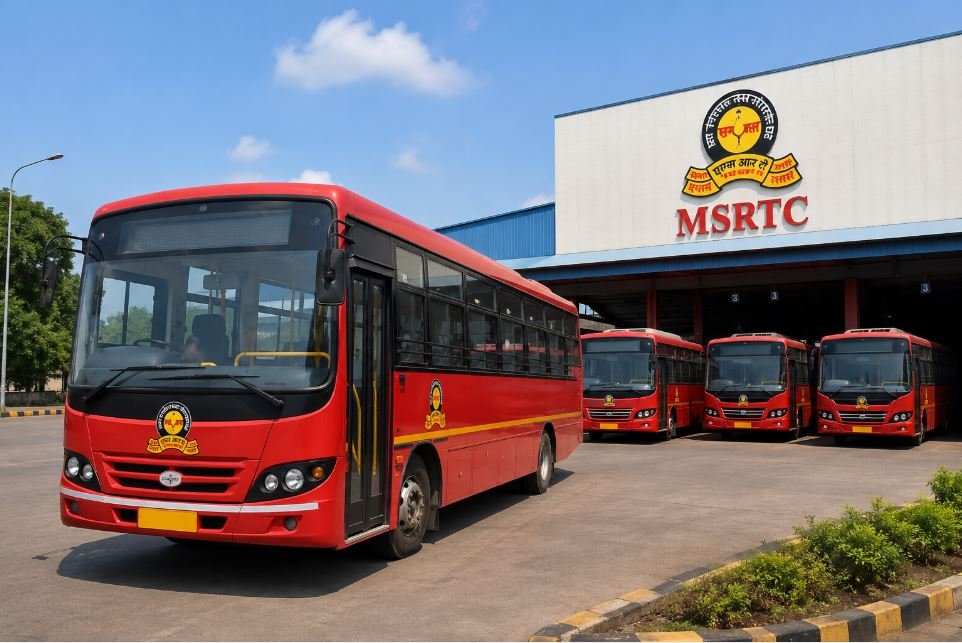
The Maharashtra State Road Transport Corporation (MSRTC) has introduced a new performance-based depot inspection system to strengthen bus operations, improve passenger services, and increase financial efficiency across the state. The updated model replaces the traditional compliance-based inspection process with a results-focused approach that encourages continuous improvement and greater accountability.
New Inspection Model Focuses on Measurable Results
MSRTC introduced the new system after noticing that several operational issues continued to appear during inspections, even though detailed performance data was available for every depot.
Instead of simply identifying problems, the new inspection framework requires every depot to find the root cause of each issue, prepare a clear action plan, and complete improvements within a fixed timeline. Officials will also need to show measurable progress in service quality, operational efficiency, and financial performance.
Key Performance Areas Will Be Closely Monitored
Under the revised inspection process, depots will be evaluated on several important performance indicators, including:
- Bus availability
- On-time departures and arrivals
- Fuel efficiency
- Passenger load factor
- Revenue per kilometer
- Cost management
- Overall financial performance
The new system is designed to help MSRTC improve daily operations while delivering more reliable transportation services for passengers throughout Maharashtra.
Root Cause Analysis Will Drive Better Decision-Making
If a depot records lower passenger numbers or reduced revenue, officials will now be required to investigate the actual reasons behind the decline. These may include route planning, bus schedules, competition from private transport operators, or changes in passenger travel patterns.
Based on these findings, depot teams will recommend practical solutions to improve performance instead of relying on general observations.
Greater Focus on Bus Maintenance and Passenger Services
The performance inspections will also review several operational areas, including vehicle maintenance, workshop productivity, spare parts availability, staff deployment, digital payment systems, passenger complaint handling, and bus station cleanliness.
MSRTC has placed special emphasis on reducing bus breakdowns and trip cancellations to provide more dependable services for commuters.
Depot Managers to Ensure Timely Improvements
Under the new framework, depot managers will be responsible for implementing corrective measures within the prescribed timeline. They must also submit evidence showing that the required improvements have been completed successfully.
Each Action Taken Report must clearly mention:
- The identified issue
- Root cause of the problem
- Corrective action taken
- Officer responsible
- Financial impact
- Completion timeline
- Measurable results achieved
General statements such as "instructions have been issued" will no longer be considered sufficient.
MSRTC Strengthens Accountability Across Operations
With this modern inspection framework, MSRTC aims to create a more accountable and performance-driven work culture across its depots. The corporation expects the new system to improve operational efficiency, strengthen financial performance, and deliver safer, more reliable, and higher-quality bus services for passengers across Maharashtra.